


Nunobiki Pottery
Japanese ceramics where Nature in Glaze meets a thousand years of tradition.
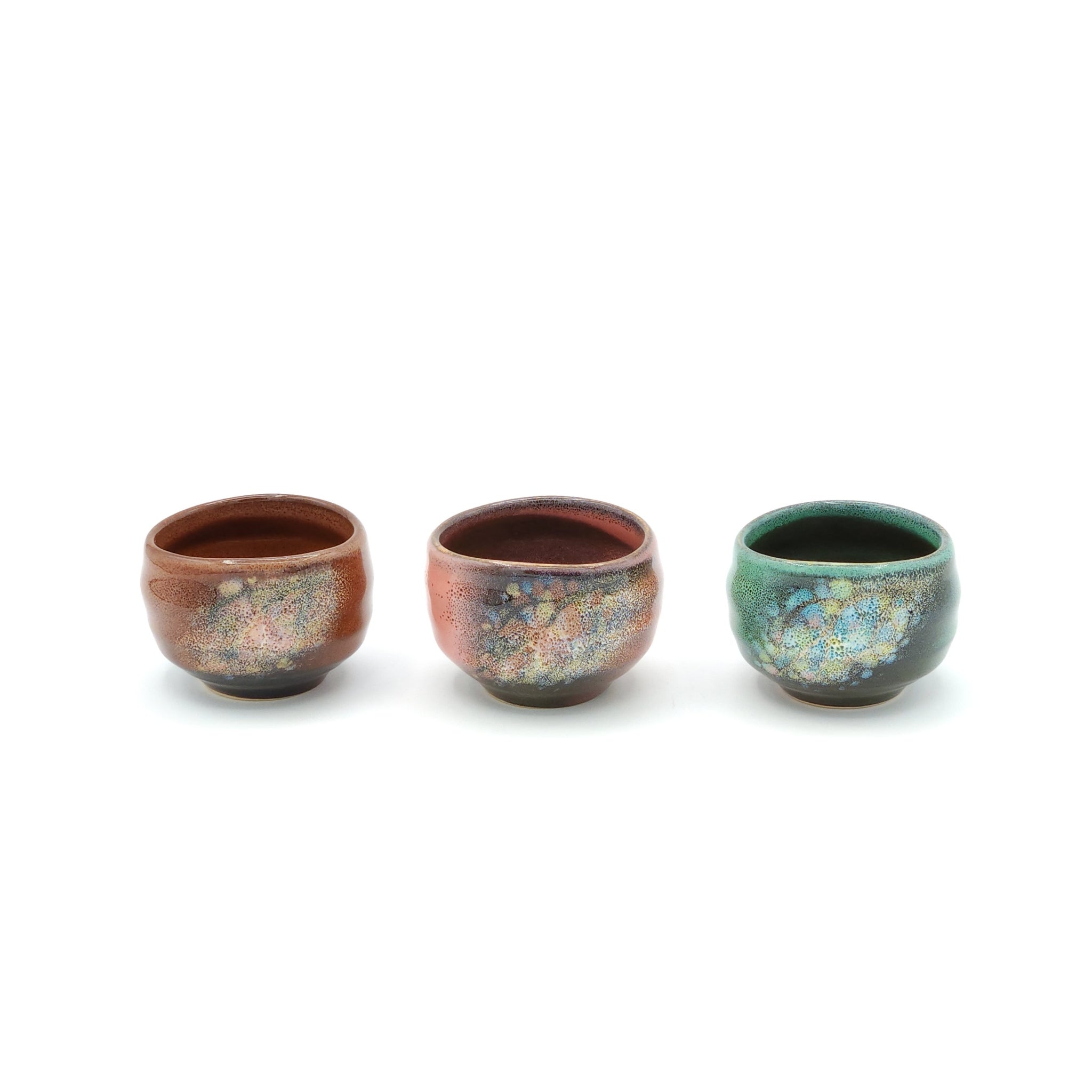
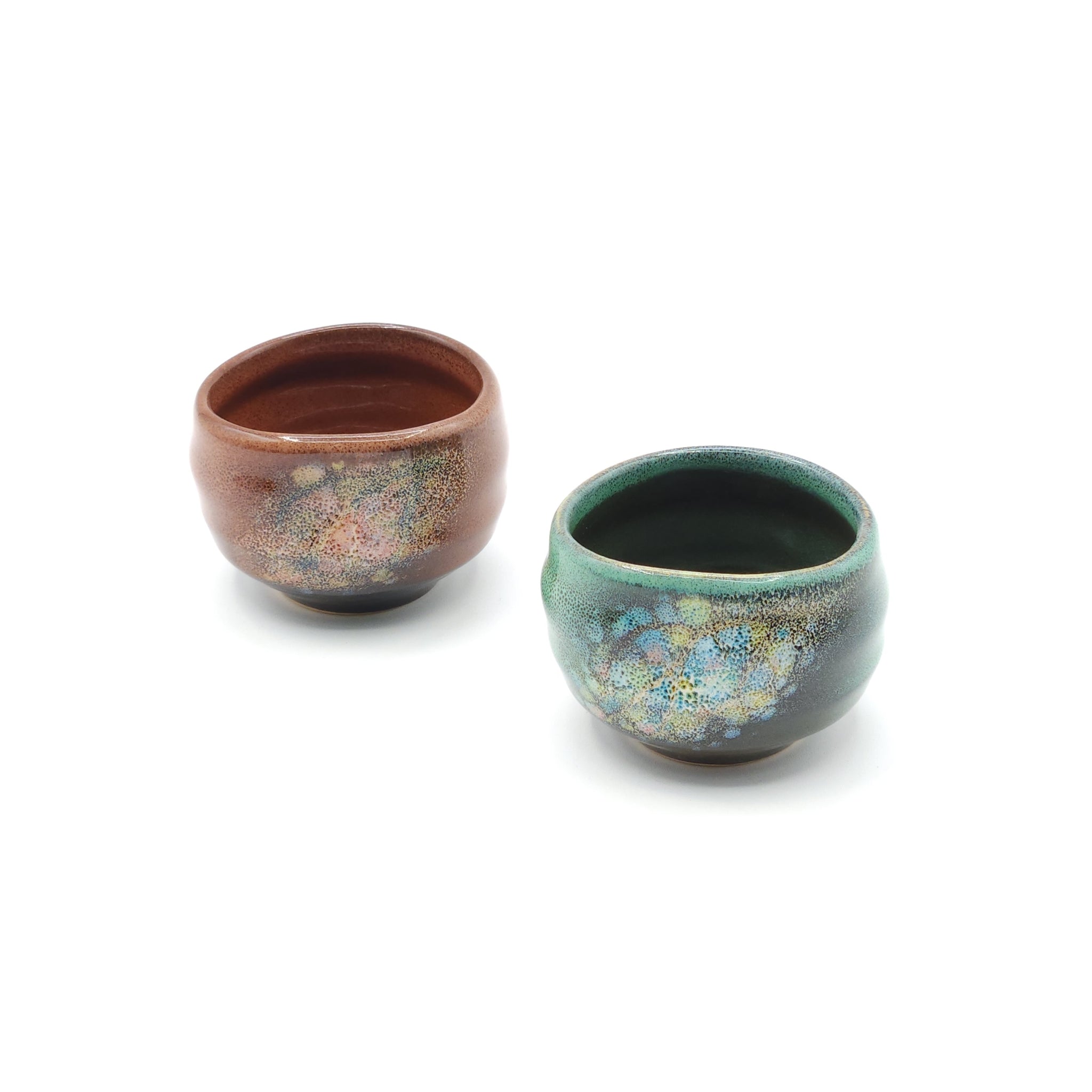
More about Nunobiki Pottery
Nunobiki Pottery (Nunobiki Yaki) carries one of Japan's most quietly remarkable histories, a lineage interrupted for over a thousand years, then brought back to life by a single potter's determination.
Between the Hakuho and Heian periods (710–1185 AD), the eastern shore of Lake Biwa flourished as a pottery region. Artisans around the Nunobiki Mountains fired distinctive green-glazed ceramics, inspired by the celebrated wares of China's Tang Dynasty. Then, for reasons lost to time, production ceased entirely — and remained silent for more than a millennium.
In the 1970s, a young Kyoto-trained potter named Taro Kojima encountered traces of this forgotten craft and became captivated. Rather than imitate what had been lost, he devoted years of experimentation to understanding it, and ultimately transcended it.
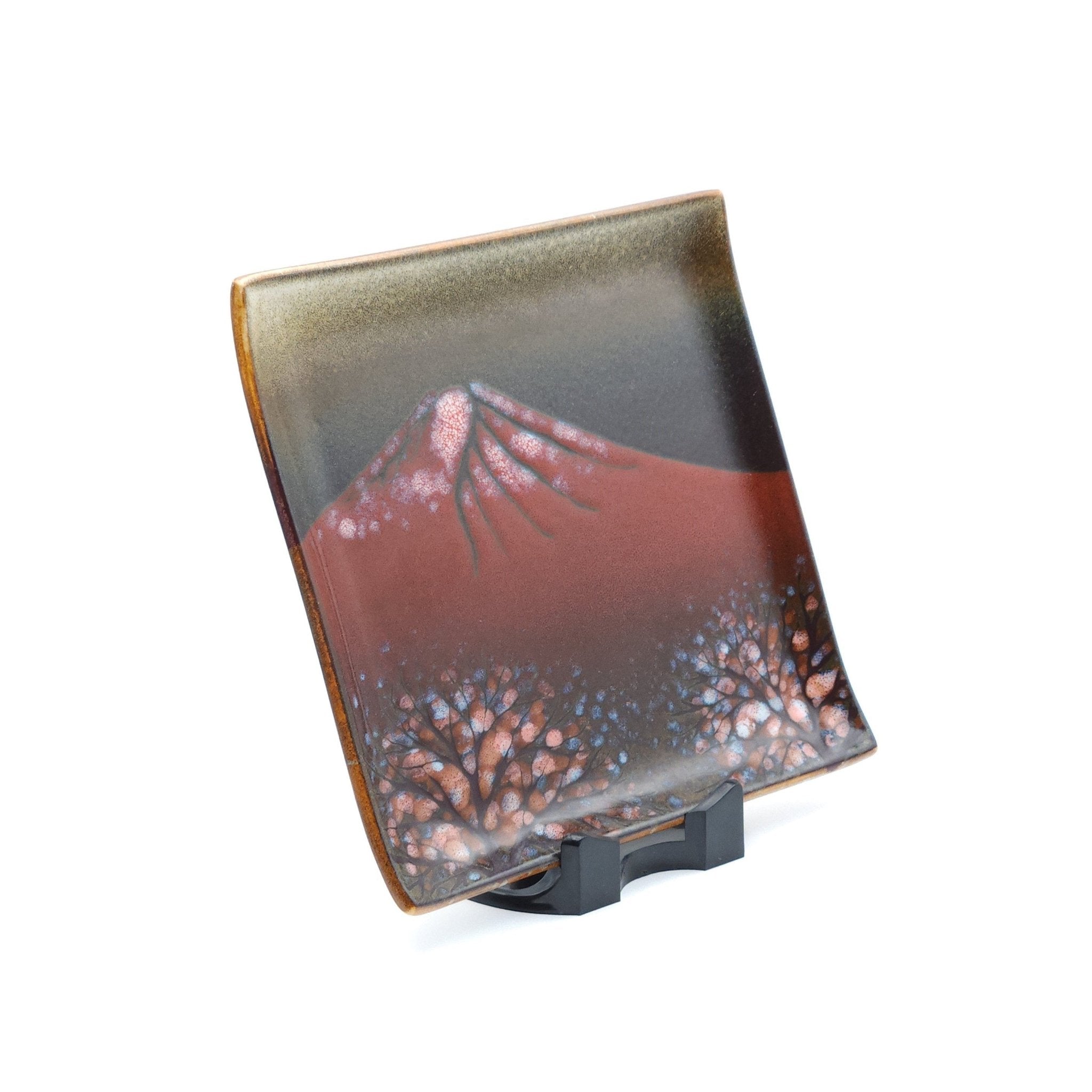
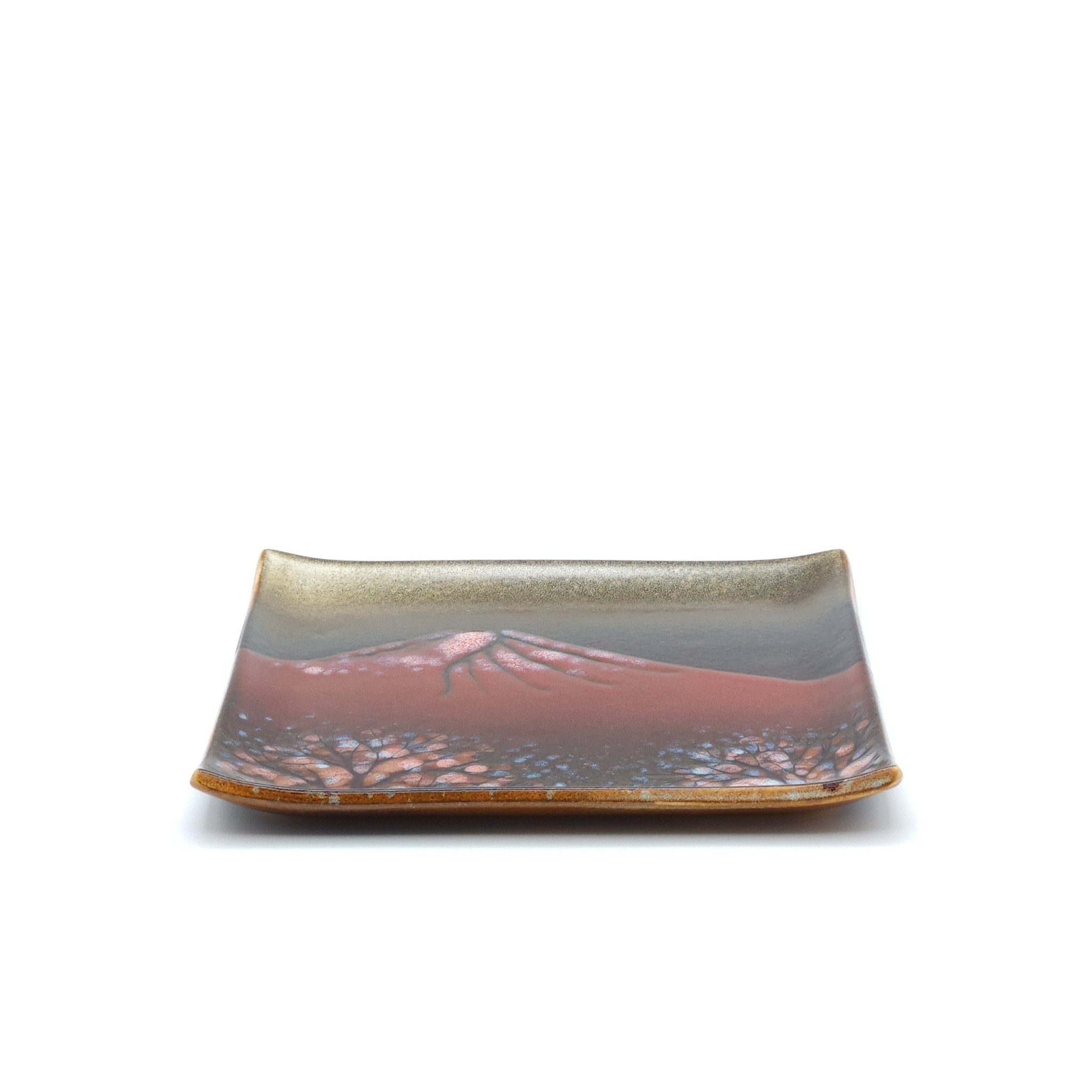
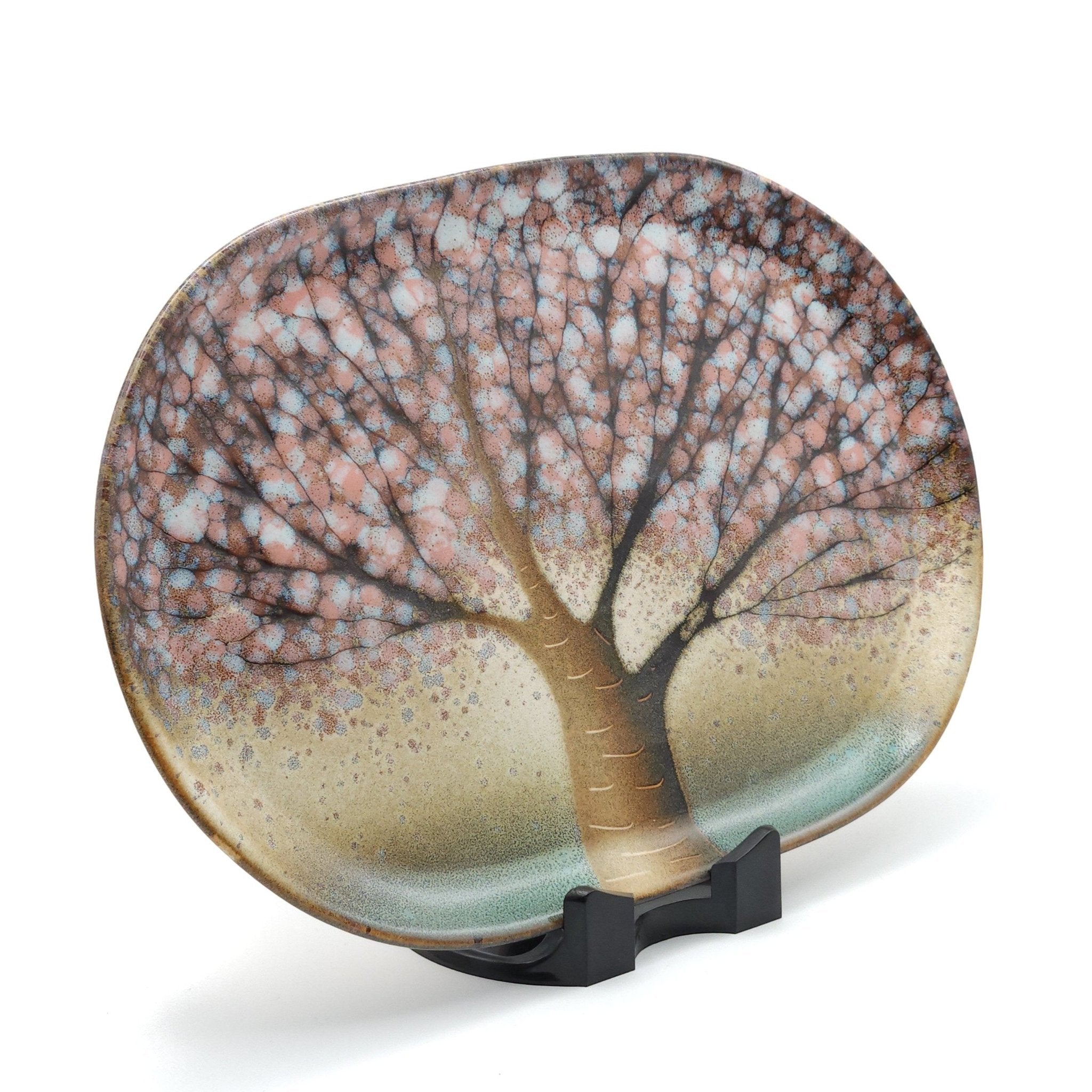
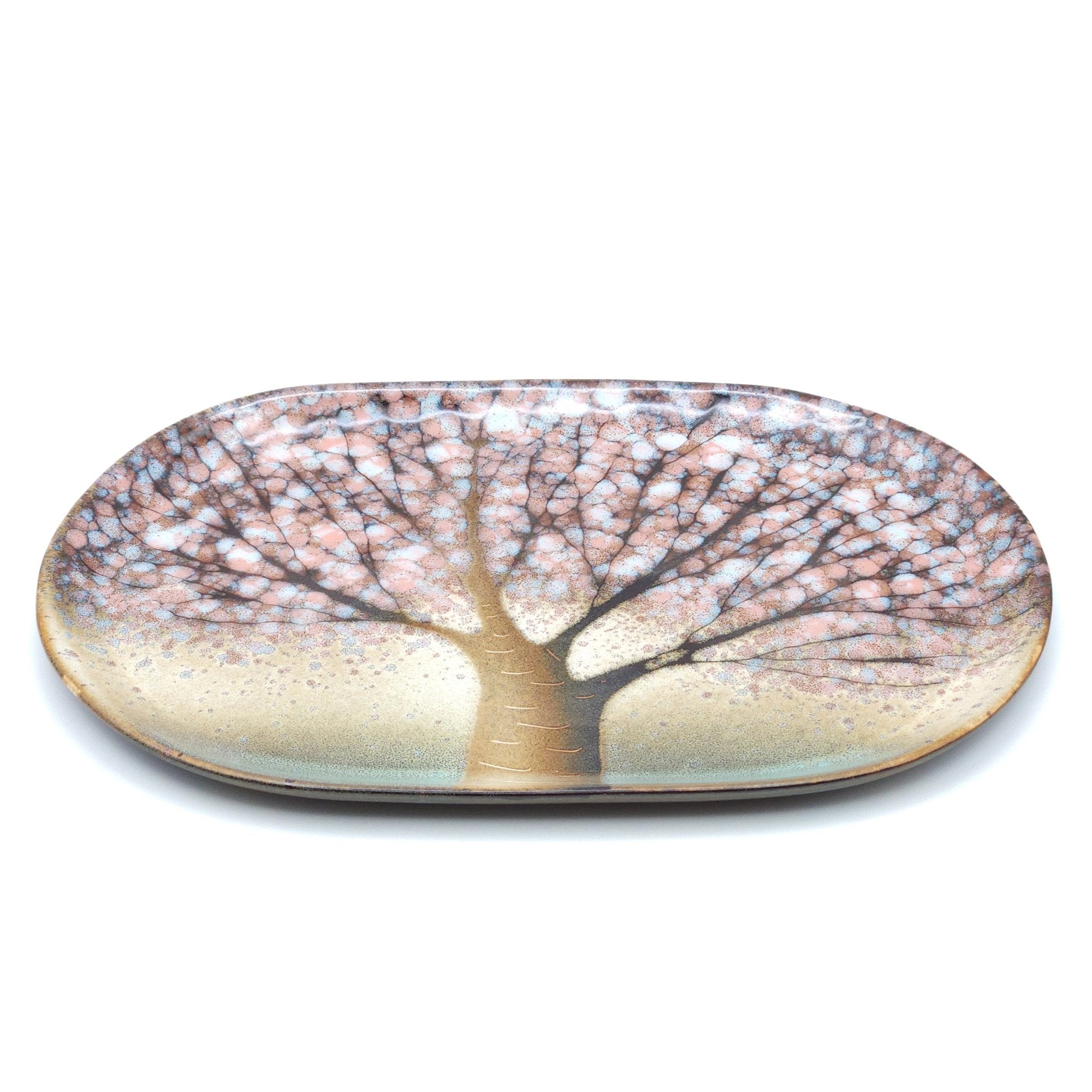
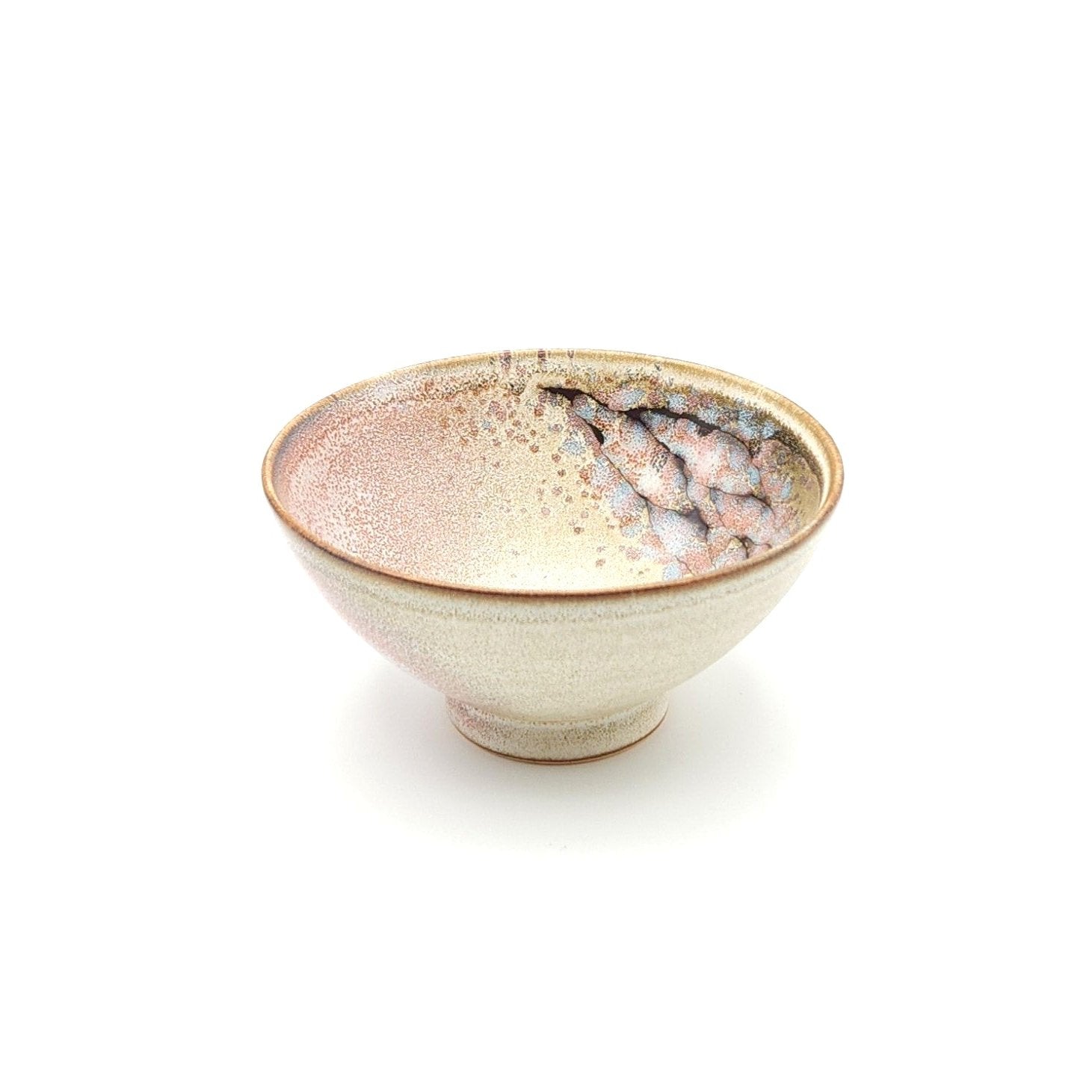
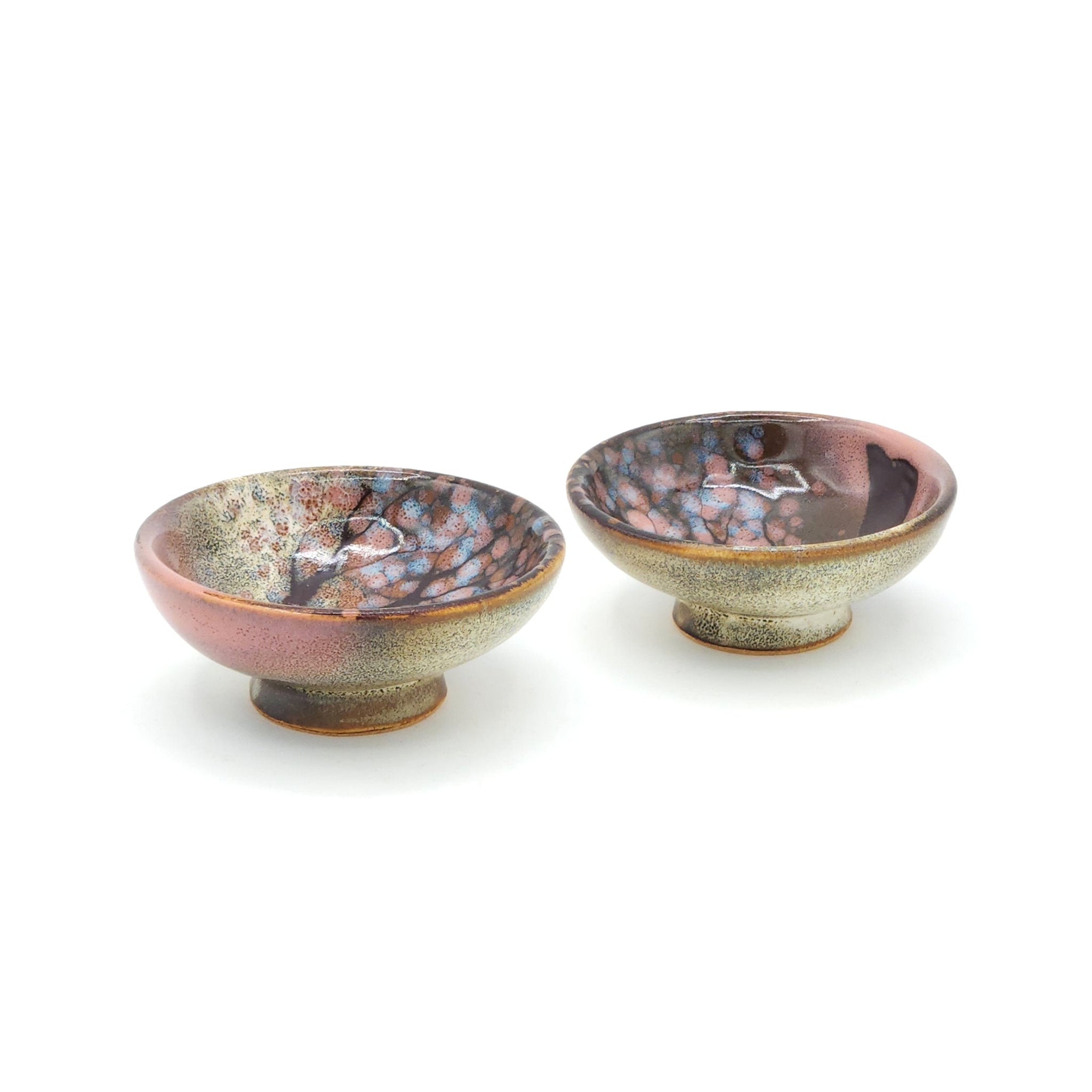
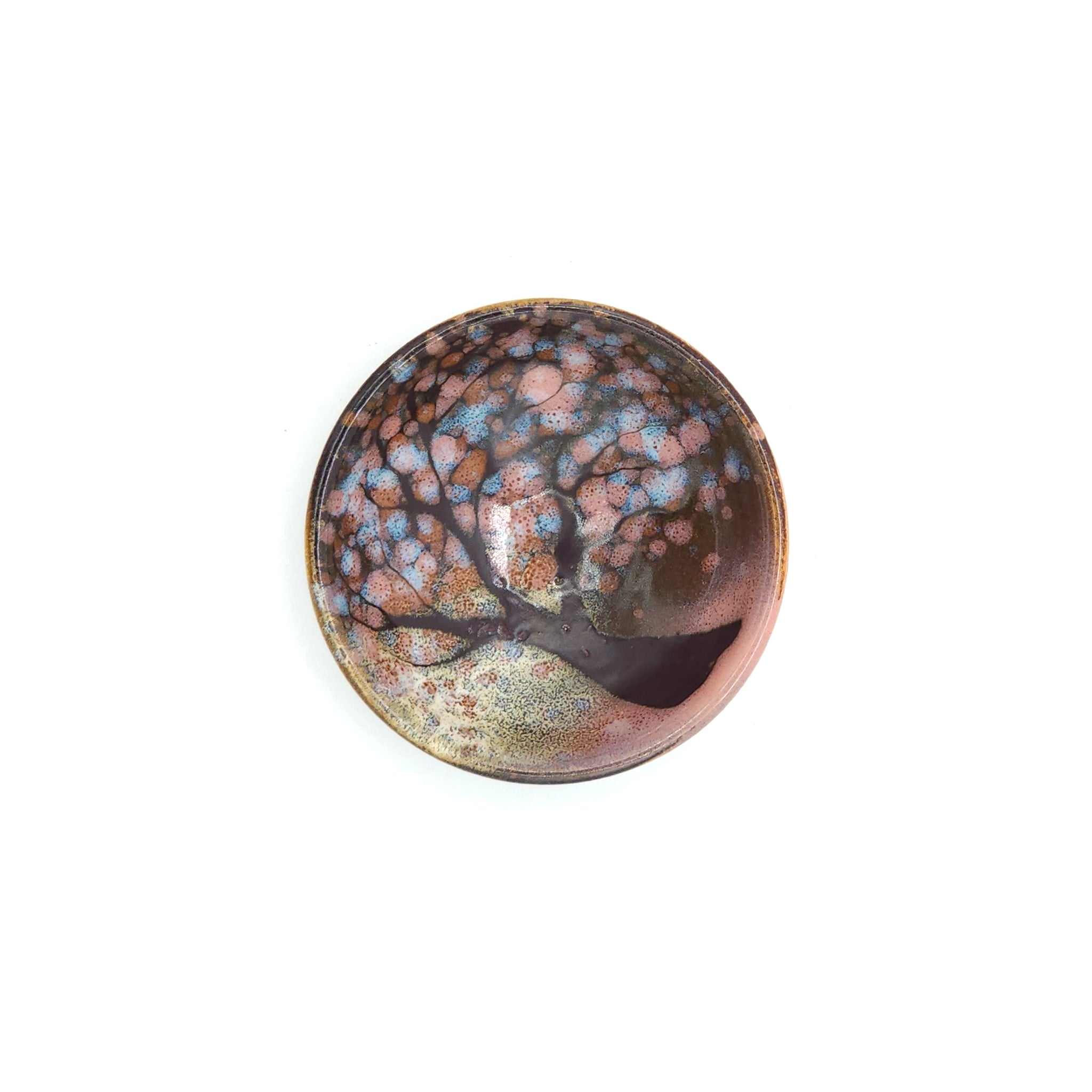
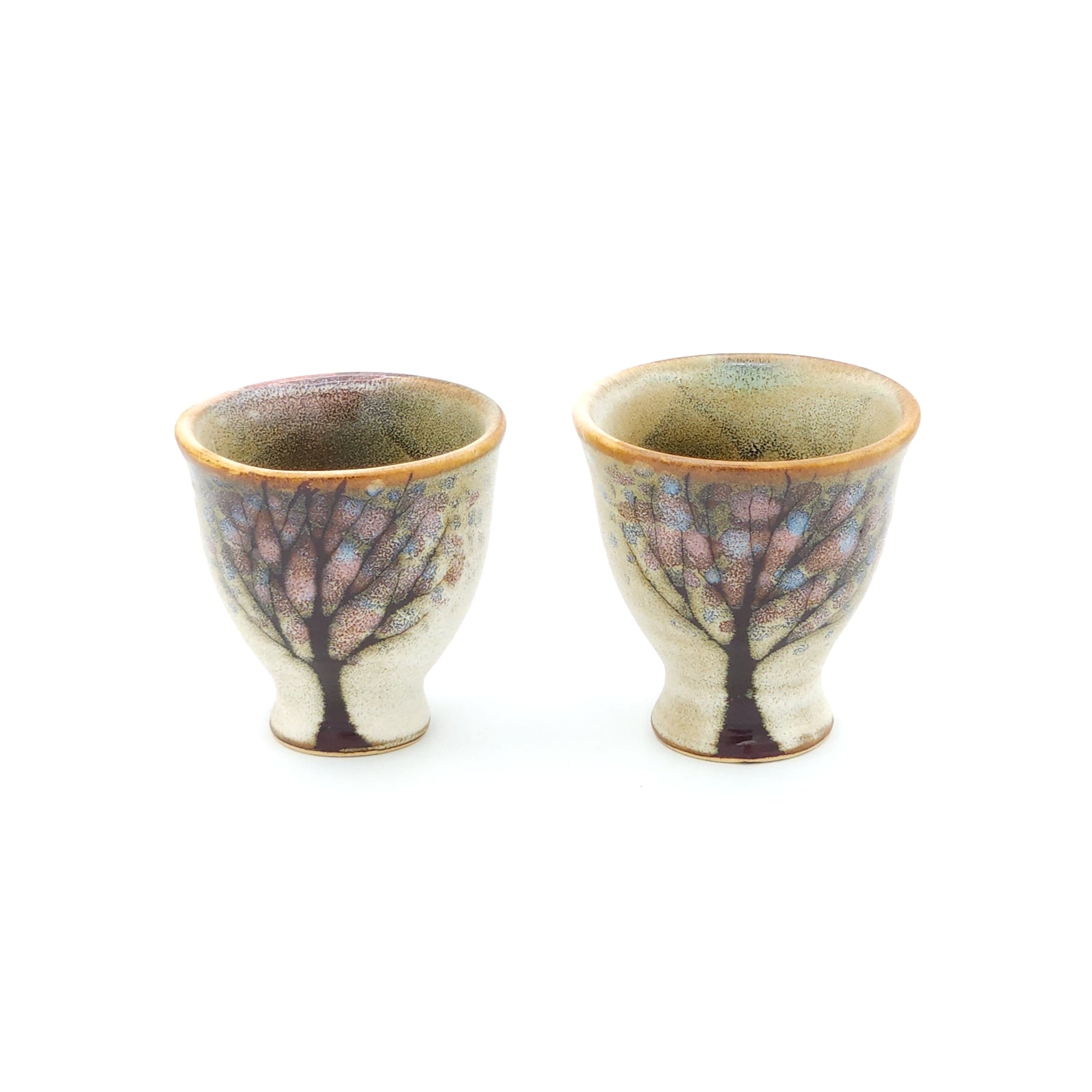
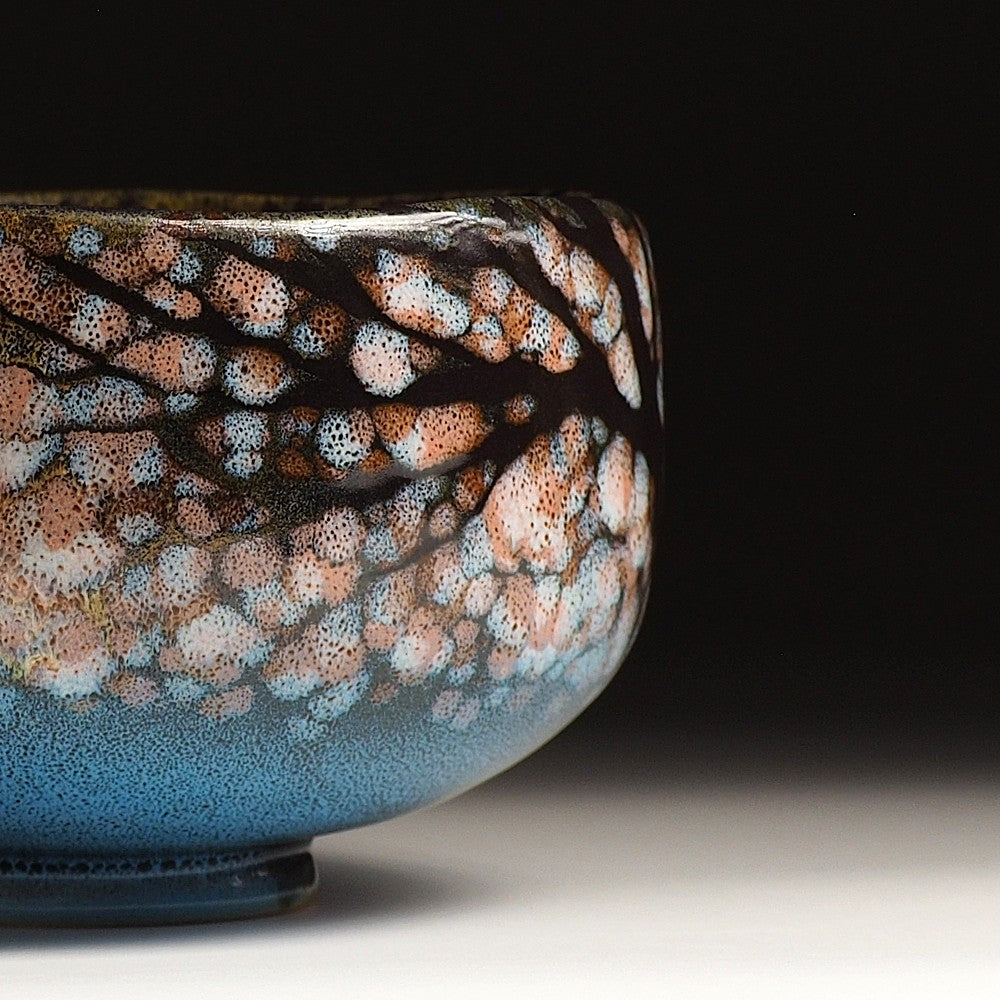
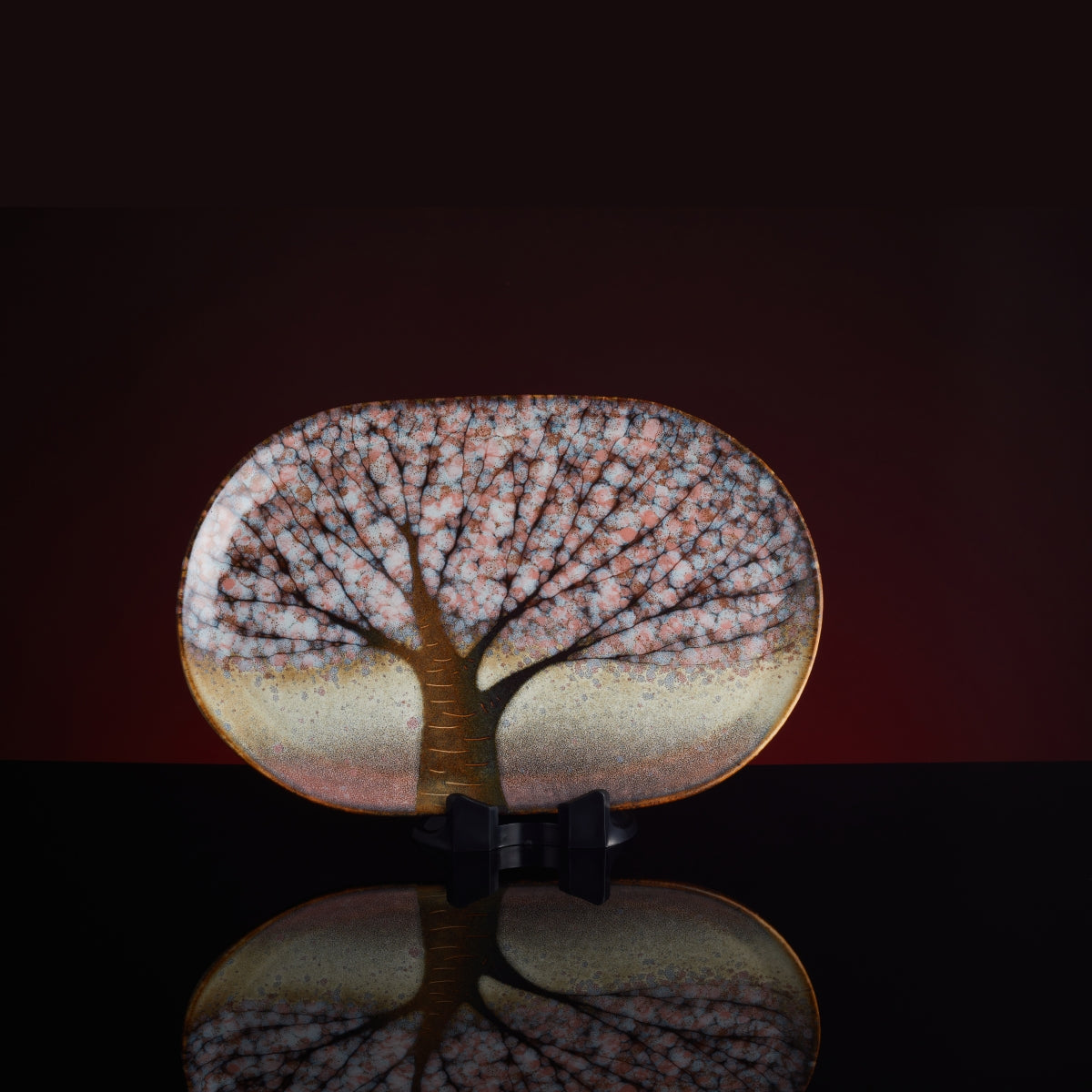
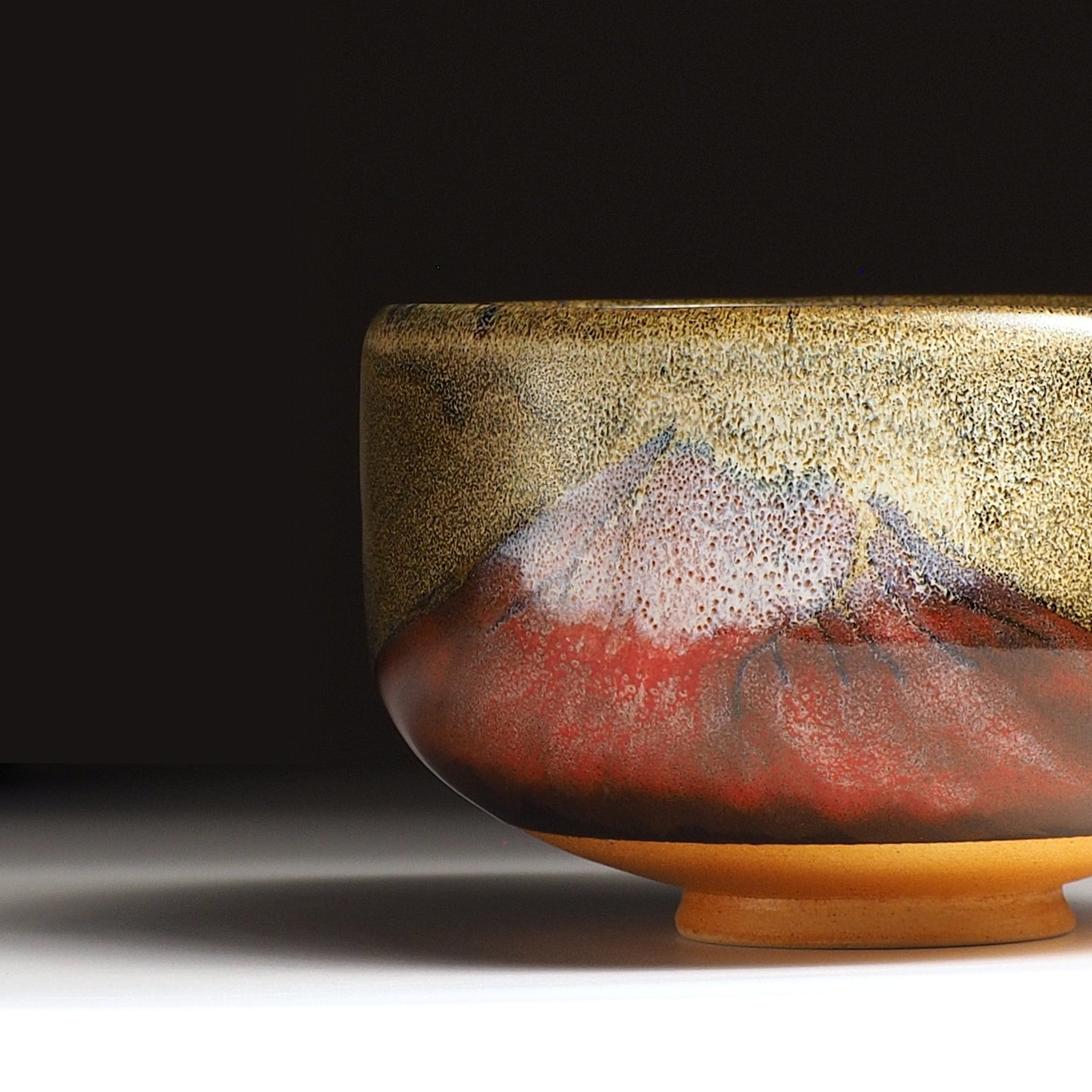
The result was a glaze technique unlike anything that had come before: deep, translucent, luminous, with colors that shift and transform inside the kiln to form what appear as natural landscapes on the surface of the clay.
He named it Nanasai Tenmoku (七彩天目) — and with it, Nunobiki Pottery was reborn.
Nanasai Tenmoku (七彩天目) translates literally as "Tenmoku of the Seven Colors."
Tenmoku refers to a family of high-fired glazes traditionally known for their dark, oil-spot finish, prized in East Asian ceramics for centuries.
Taro Kojima took this foundation and transformed it into something entirely his own: a layered glaze that captures the softness of natural landscapes, forests, lakes, mountain mist, suspended within the surface of each piece.
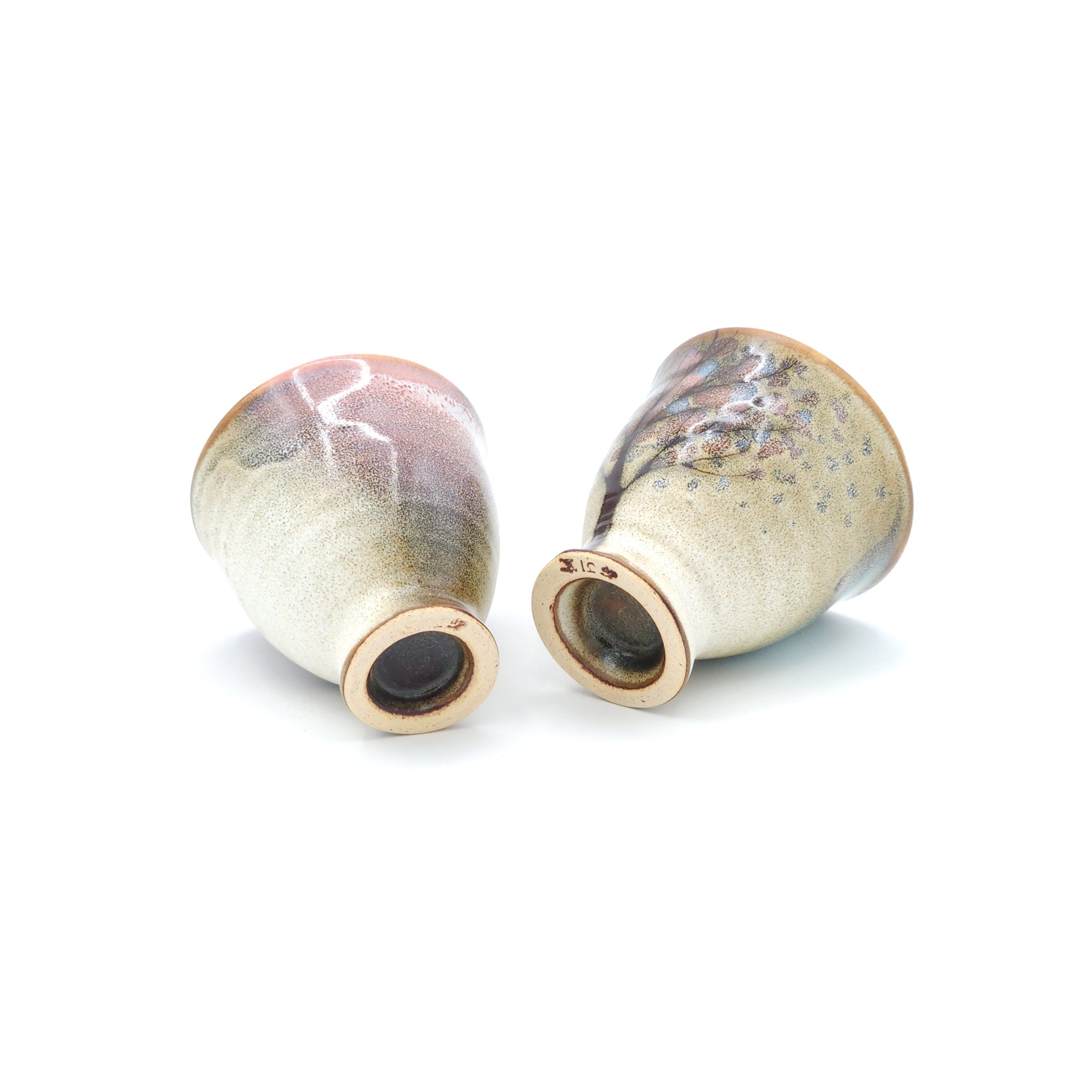
Unlike mass-produced ceramic glazes applied uniformly, Nanasai Tenmoku reacts dynamically to heat. No two firings produce the same result.
The colors deepen, shift, and settle in ways that cannot be fully controlled or predicted — which is precisely what makes each piece irreplaceable.
This technique became the signature of Nunobiki Pottery, establishing it not merely as traditional craft, but as a living artistic practice rooted in nature, fire, and the maker's eye.
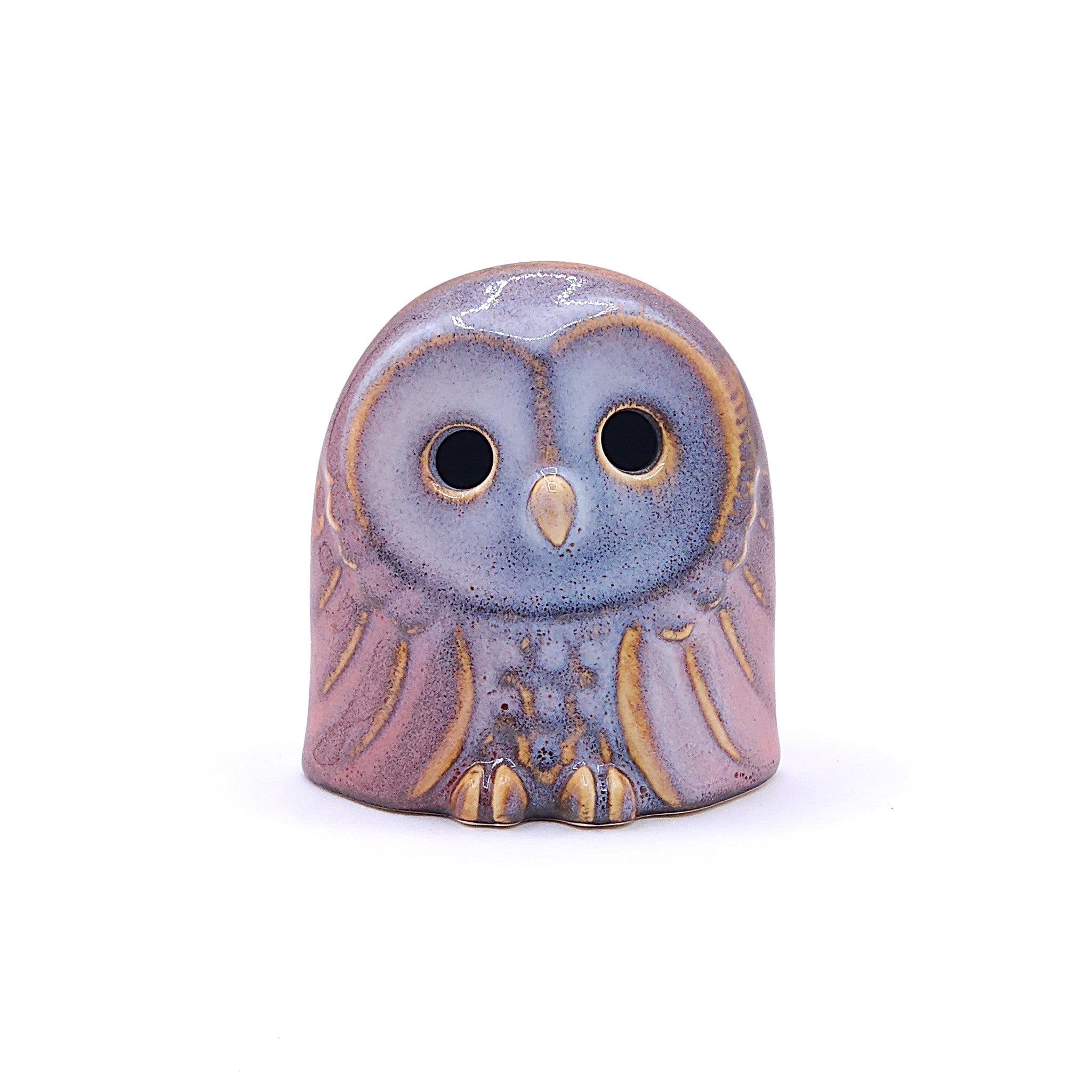
Every great kiln has a story, and Nunobiki's is inseparable from an owl.
When Taro Kojima established his workshop in the early 1970s, a dense forest bordered the land. An owl lived there, appearing at dusk, perched and still, as if keeping watch over the kiln below.
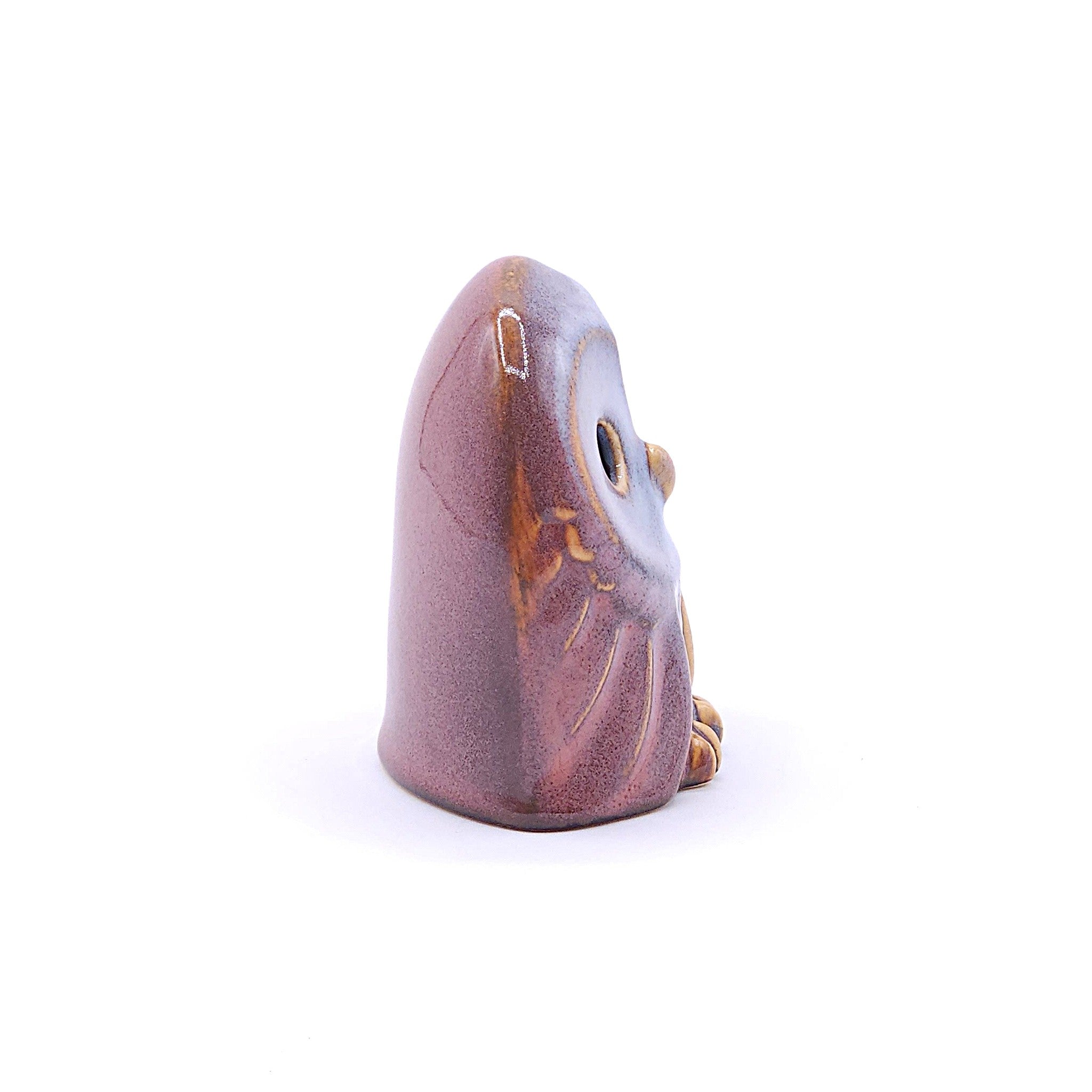
There was something in that presence Kojima couldn't ignore. He sat down with clay and shaped what he saw: an owl, quiet and steady, the way the real one had always been.
In Japanese, fukurou (梟) means owl. But written with different characters, fukuro (福) means filled with good fortune. The name held both truths, and felt right from the start.
The Fukuro Owl became the official mascot of the kiln, a symbol of both watchful guardianship and auspicious blessing.
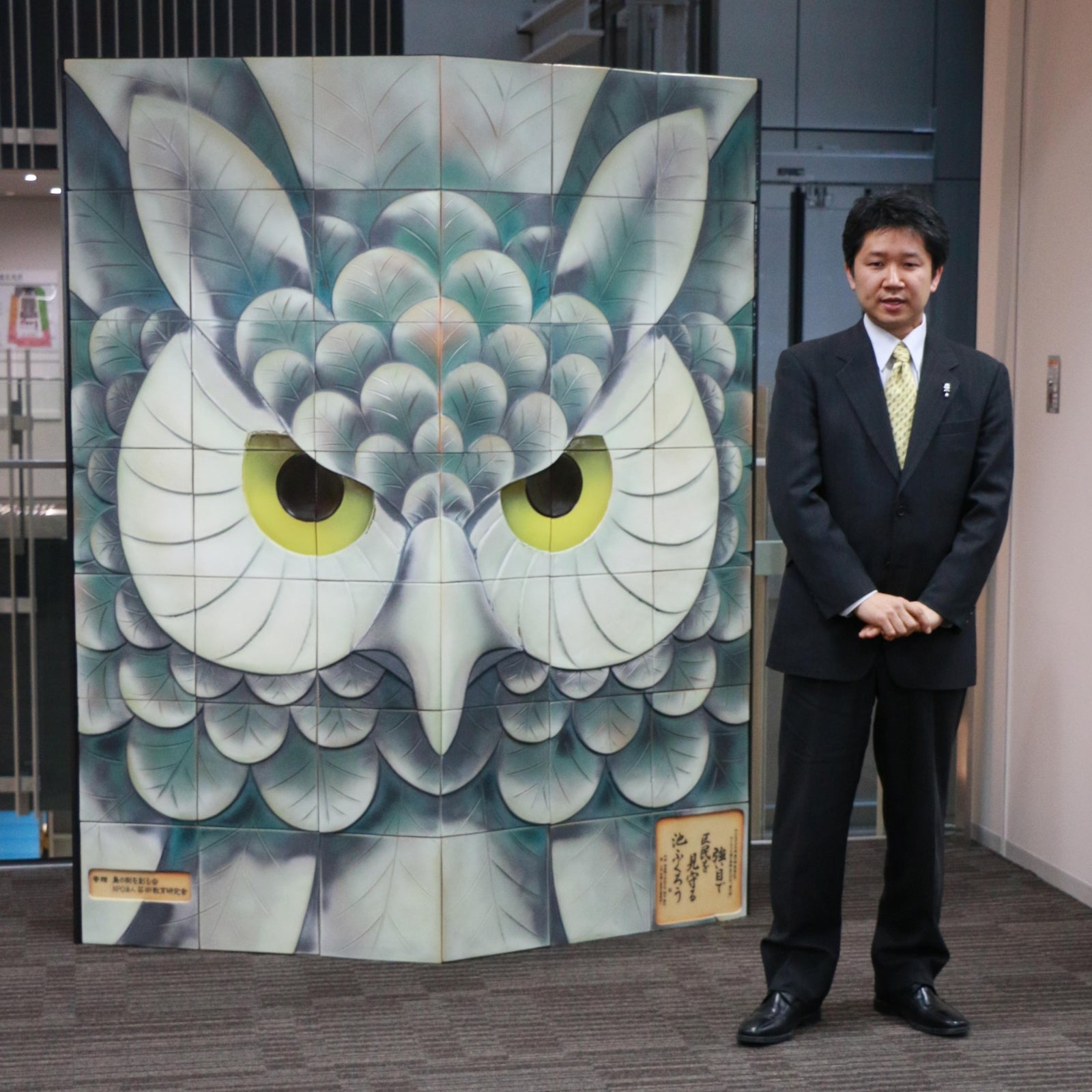
Over the decades, owl figurines, cups, and ornaments grew beloved throughout the community. In 2004, when the surrounding town marked its 50th anniversary, the Fukuro Owl was chosen as the official emblem, with commemorative monuments installed at nine locations across the city.
Today, the Fukuro Owl is not simply a product. It is a presence.
Tradition passed down from father to son

Taro Kojima
Born 1940 in Miyagi Prefecture, Taro Kojima trained in Kyoto and Shigaraki, two of Japan's most respected ceramic centers.
In 1970, he collaborated with artist Taro Okamoto on the monumental ceramic relief "Face of the Past" for the Tower of the Sun at the Osaka World's Fair.
The following year, he founded Nunobiki Kiln in what is now Higashi Omi City, Shiga Prefecture. There, he developed the Nanasai Tenmoku glaze, a technique that transforms natural imagery into layered, luminous color on ceramic surfaces.
His work has been exhibited in Alaska and Michigan, and his relief murals can be found in public buildings and institutions across Japan.
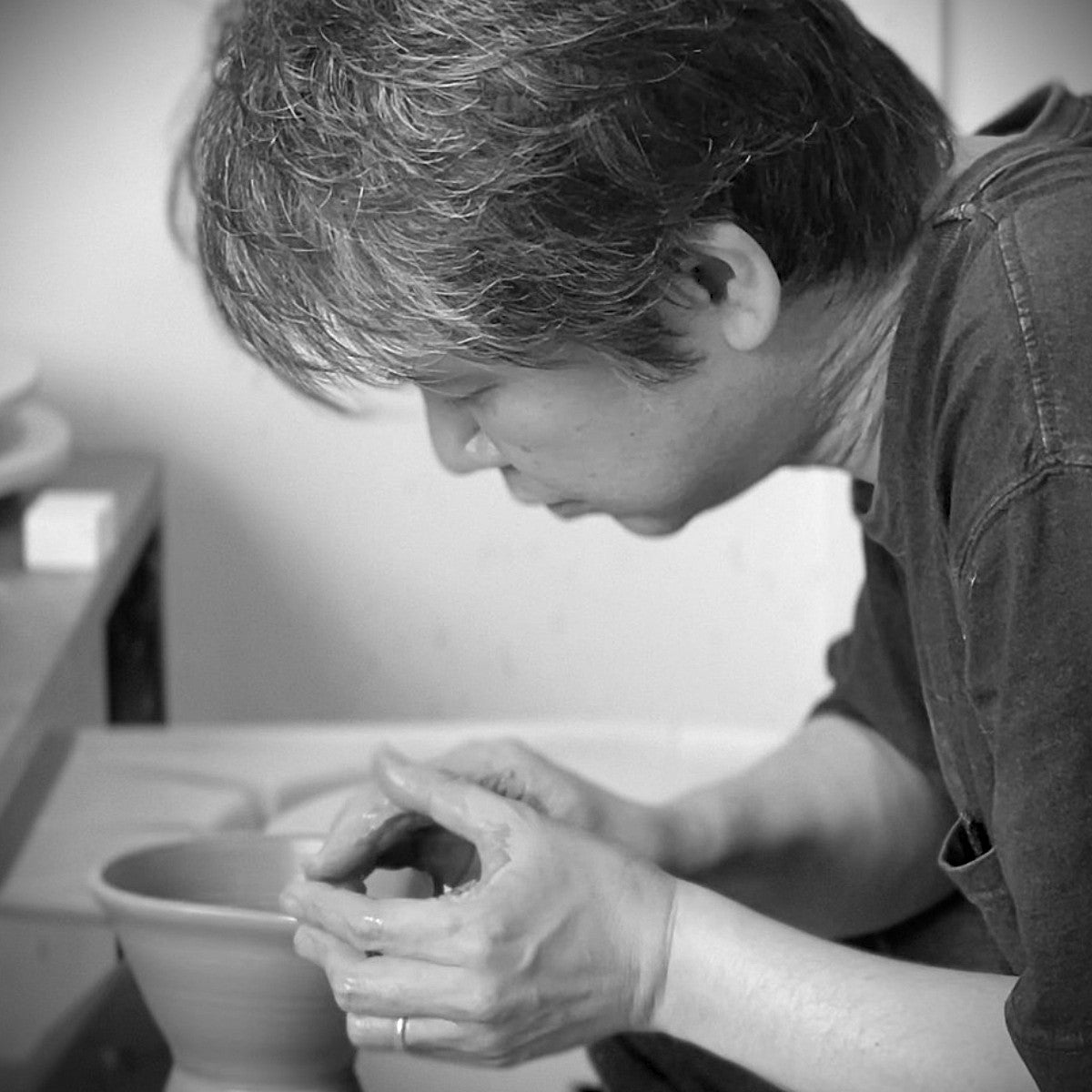
Kazuhiro Kojima
Kazuhiro Kojima (born 1972), Taro's son, grew up surrounded by clay, fire, and his father's restless experimentation.
After completing his studies at art college, he returned to the kiln and trained alongside Taro, gradually developing a visual language distinctly his own.
His signature subject is the Fukuro Owl, rendered in Nanasai Tenmoku across a range of scales, from monumental ceramic statues to small, intimate accessories.
His pieces have been placed in hospitals, public institutions, and streetscapes, chosen for the sense of calm and quiet warmth they carry.
The second generation of Nunobiki is not a copy of the first. It is a continuation.

The Legacy of Nunobiki
Rooted in Shiga, Shaped by Lake Biwa
Nunobiki Pottery is made in Higashi Omi City, Shiga Prefecture, a landscape defined by the still waters of Lake Biwa and the quiet rhythms of a region that has produced ceramic art for over a thousand years.
This is not coincidence. The local environment, the mineral-rich clay, the measured climate, the long tradition of craftsmanship near Shigaraki, shapes every piece that leaves the kiln.
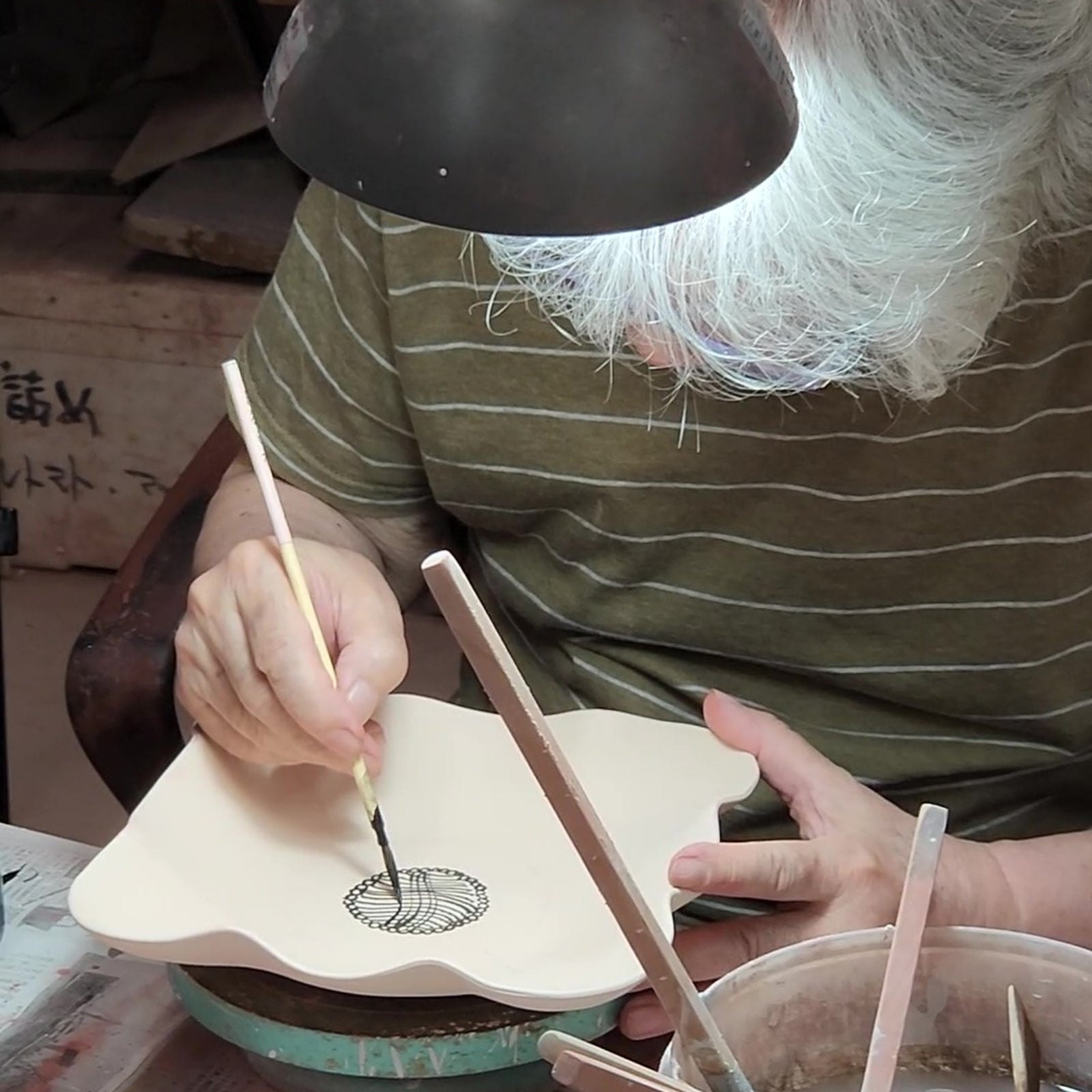
Handcrafted in small batches by Taro and Kazuhiro Kojima, each bowl, cup, and owl carries the character of its place: unhurried, precise, and formed with the kind of patience that only comes from working close to the land.

A note from Tsukushi
How we work with Nunobiki Pottery
We go to the kiln. Not once, regularly.
There are no intermediaries, no agents, no catalogues exchanged at trade fairs. Every piece in this collection has been seen, held, and selected in person, directly from the hands that made it.
In Japan, an artisan who allows their work to be carried by someone else is extending a form of trust that is not offered lightly.
A family kiln producing in limited quantities, by hand, to a standard they set themselves, this is not a supplier relationship. It is something closer to a responsibility.
"A small kiln like Nunobiki produces pieces that no factory could replicate — not because of scale, but because of intention.
We don't try to bridge that gap. We simply make sure the work reaches the people who will understand it."
— Tsukushi

Craft That Cannot Be Repeated
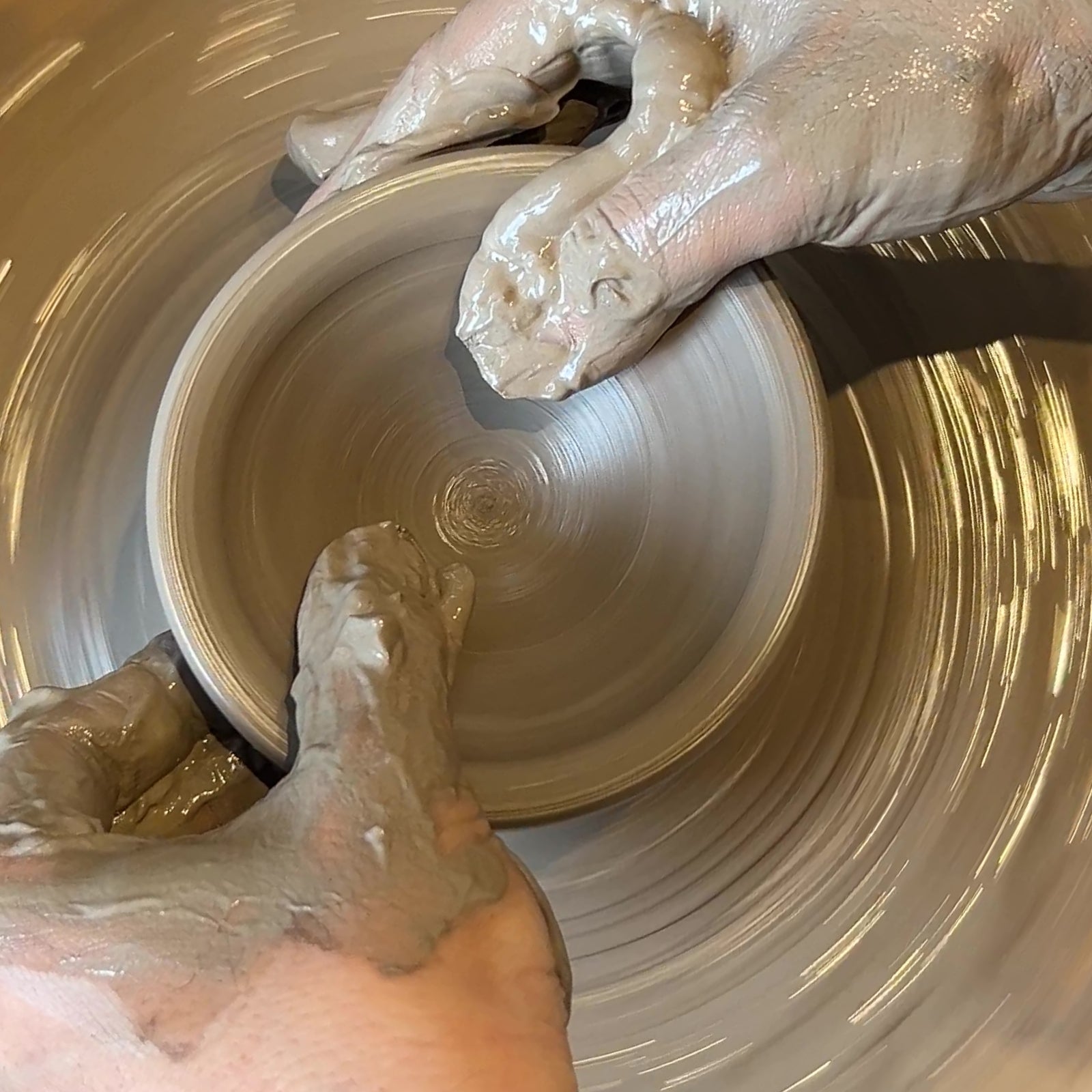
Shaped by hand, transformed by fire.
Each piece carries the depth of Nanasai Tenmoku glaze and the quiet mark of a craft passed down through generations.
Learn more about this kiln
Nunobiky Pottery Q&A
Nunobiki Pottery (布引焼, Nunobikiyaki) is a Japanese family kiln in Higashi Omi City, Shiga Prefecture.
Founded by Taro Kojima in 1971, its crafts are defined by the Nanasai Tenmoku glaze, a layered, nature-inspired technique that creates deep, translucent color on handcrafted stoneware.
Nanasai Tenmoku (七彩天目) means "Tenmoku of the seven colors."
It is a high-fired glaze technique developed by Taro Kojima that produces luminous, shifting colors resembling natural landscapes, forests, mist, flowers and and water.
Because the glaze reacts unpredictably to heat, no two pieces are ever identical.
All Nunobiki Pottery is handcrafted at the Nunobiki Kiln in Higashi Omi City, Shiga Prefecture, Japan, near Lake Biwa, in a region with a ceramic tradition dating back to the Hakuho period (710 AD).
Each piece is made in small batches by Taro Kojima and his son Kazuhiro Kojima.
Fukuro Owl is the official symbol of Nunobiki Pottery.
Created by founder Taro Kojima, it is named for a Japanese wordplay: fukurou (梟) means owl, while fukuro (福) means good fortune.
The owl has been the kiln's mascot since the 1970s and was adopted as the emblem of Higashi Omi City's 50th anniversary in 2004.
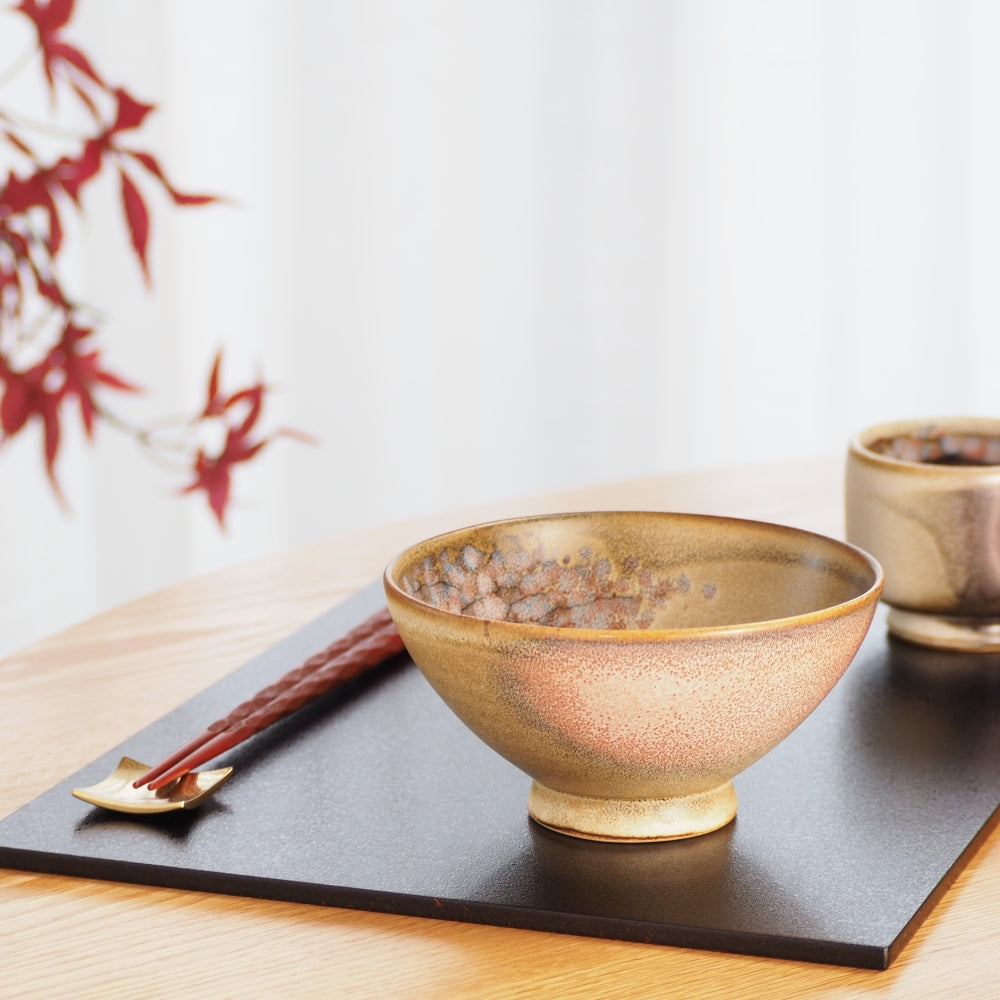
Yes. While Nunobiki pieces are works of artisan craft, many, including rice bowls, matcha bowls, and cups, are designed for daily use.
Each item is food-safe and built to be handled. The Nanasai Tenmoku glaze develops subtle character with use, making each piece more personal over time.
Nunobiki Pottery is handmade in limited quantities by two potters, a father and son, using a glaze technique that cannot be mechanically reproduced.
Every piece varies in tone, glaze movement, and surface detail. It belongs to the wabi-sabi tradition: the beauty of irregularity, impermanence, and the maker's hand visible in every finished form.

Featured Focus
Japanese Ceramic Tableware Handmade in Small Batches
Nunobiki Pottery produces a considered range of ceramic tableware — rice bowls, matcha bowls, cups, and decorative pieces — each formed and glazed by hand in limited quantities.
No two pieces share the same surface. The Nanasai Tenmoku glaze moves differently across every form, shaped by the clay body, the firing temperature, and variables that no process can fully anticipate or repeat.
This is what separates handmade Japanese pottery from industrially produced ceramics: not just the origin, but the outcome.
A Nunobiki rice bowl is not a unit. It is a specific object, made once, that will not exist again in quite the same way.
For collectors, for daily use, or as a gift carrying genuine meaning — Nunobiki ceramic tableware represents one of the most direct connections available today between a Japanese artisan kiln and the people who appreciate its work.
Let customers speak for us
What customers think about the store
Store specializes in handcrafted Japanese tableware and kitchenware with exceptional quality. Customers praise outstanding customer service, meticulous packaging, fast international shipping, and beautiful artisan craftsmanship. Team provides personalized serv...