

Skip to content

Cart

Your cart is empty

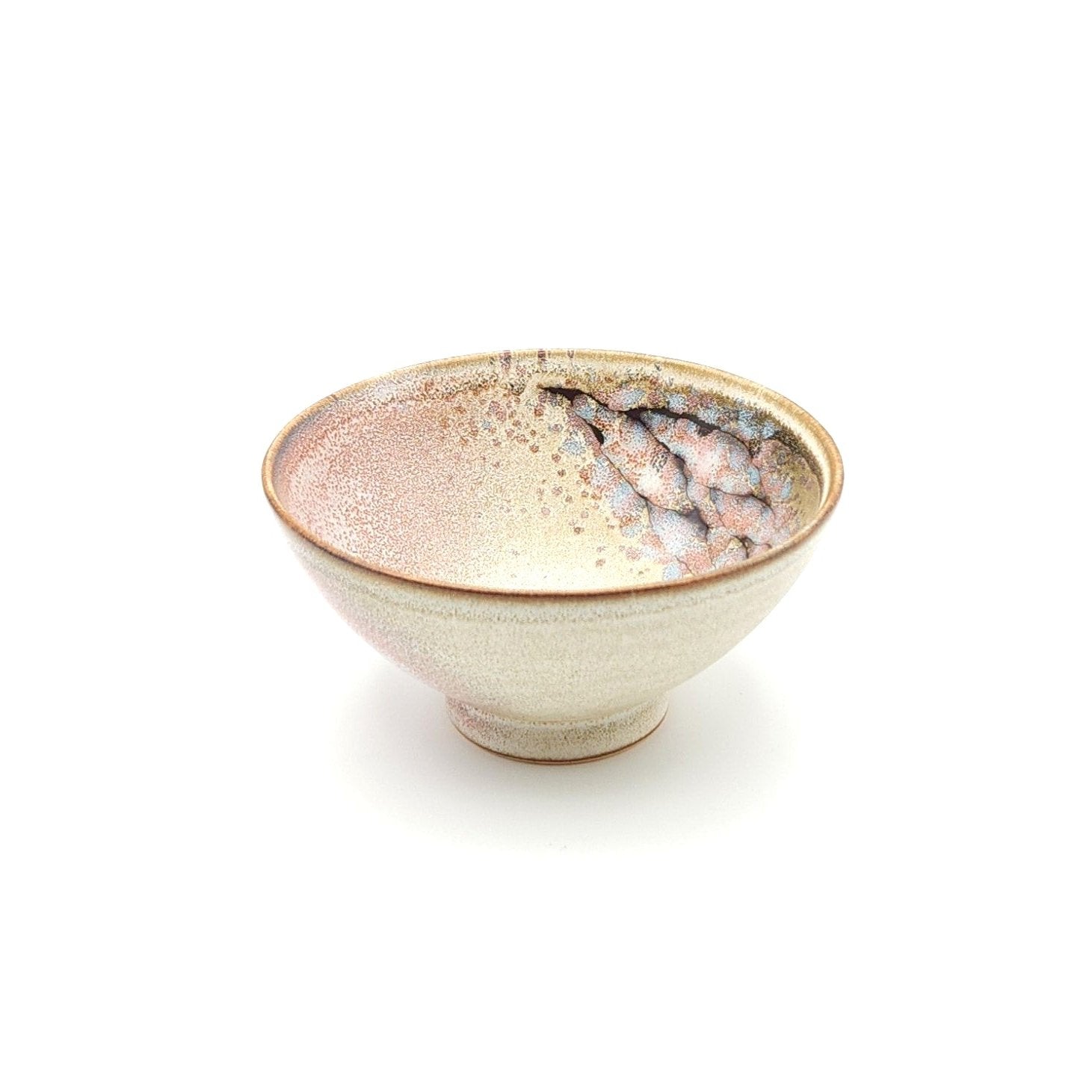
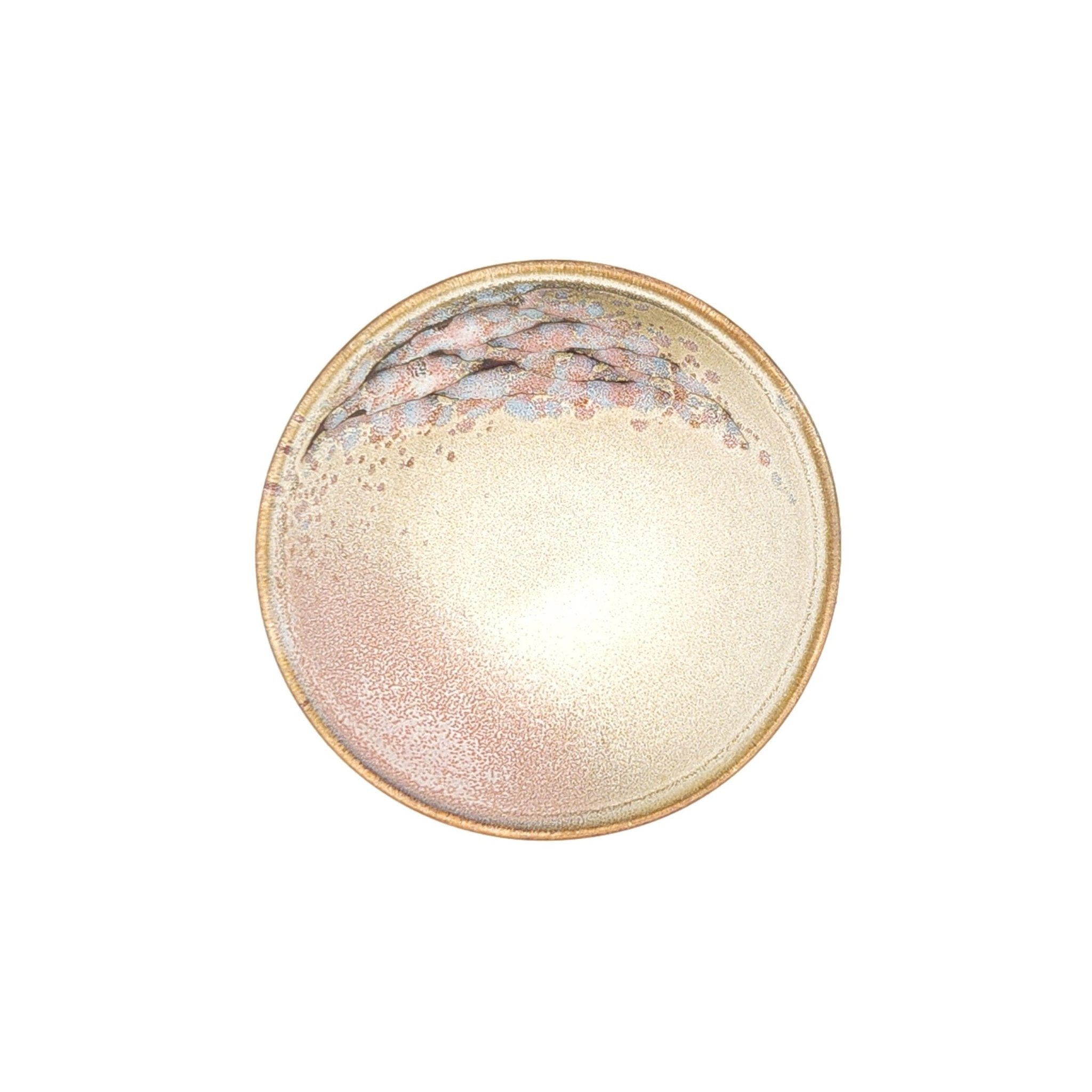
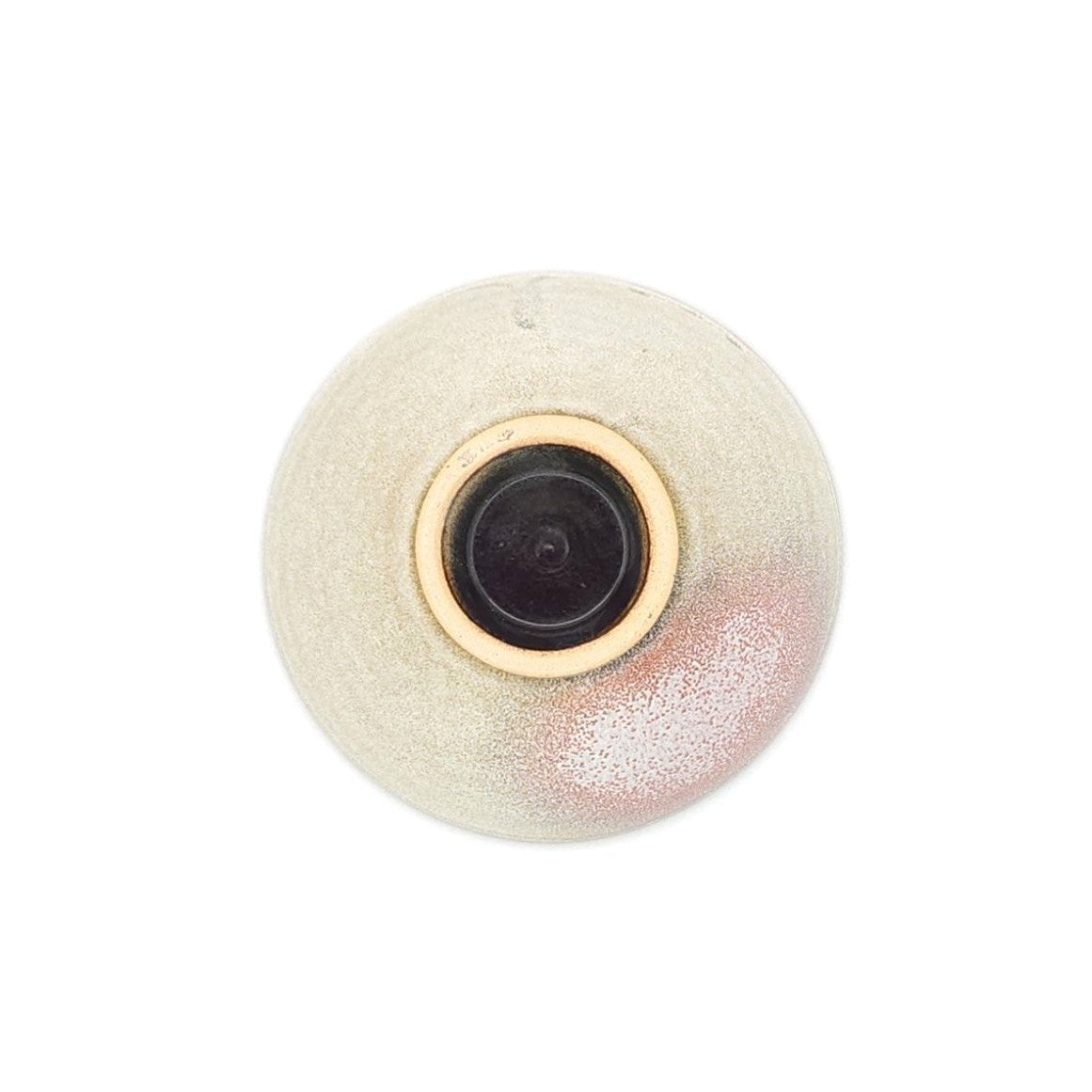
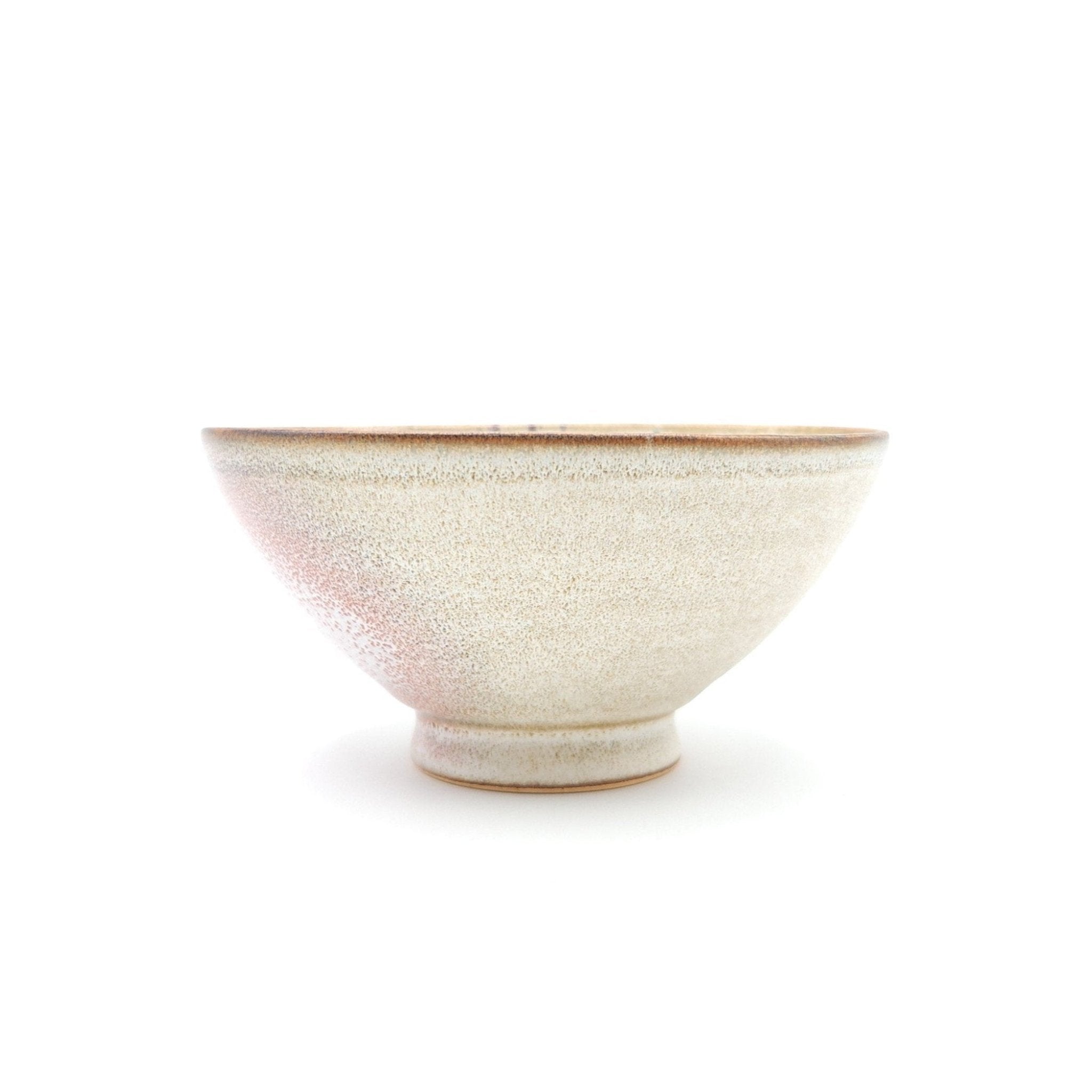
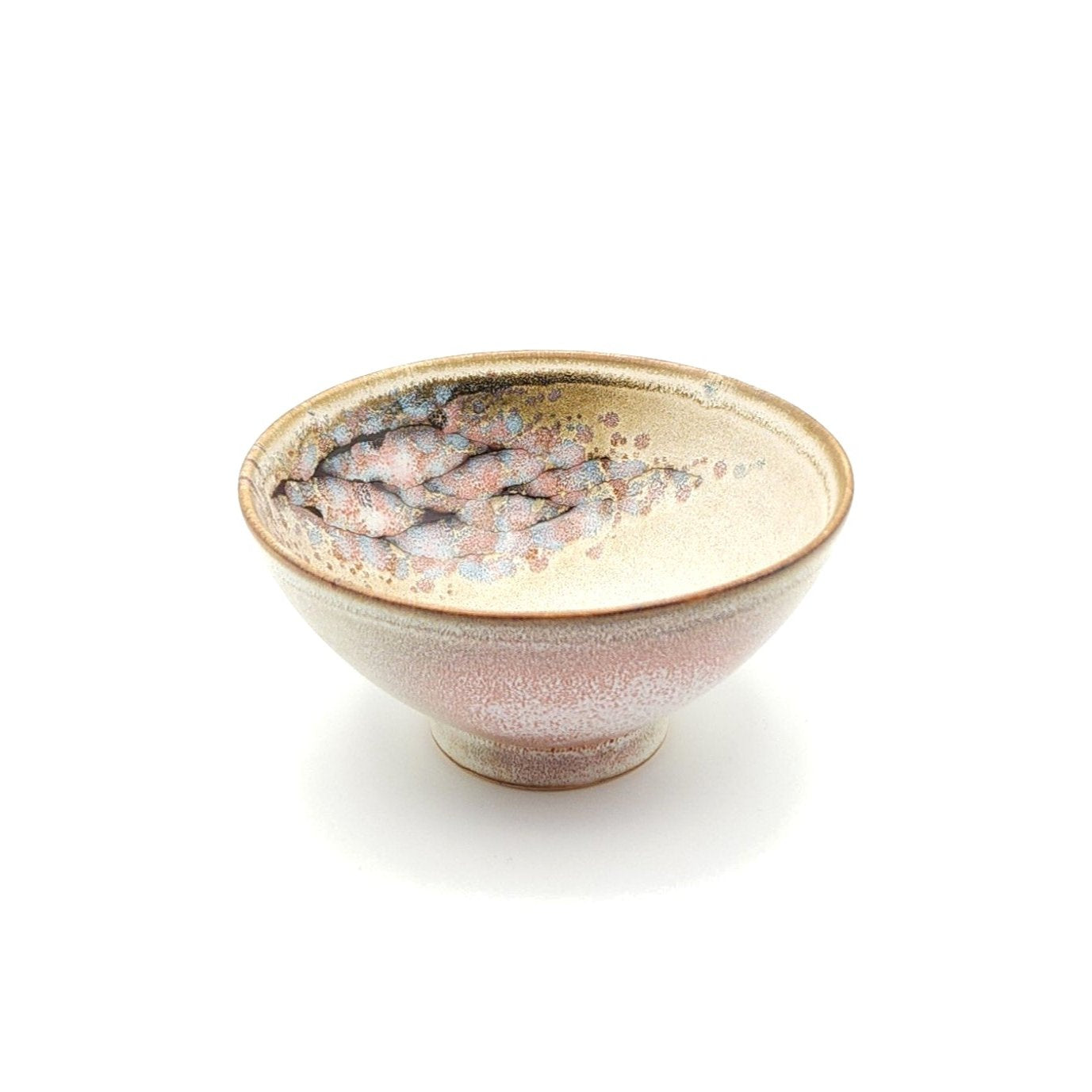
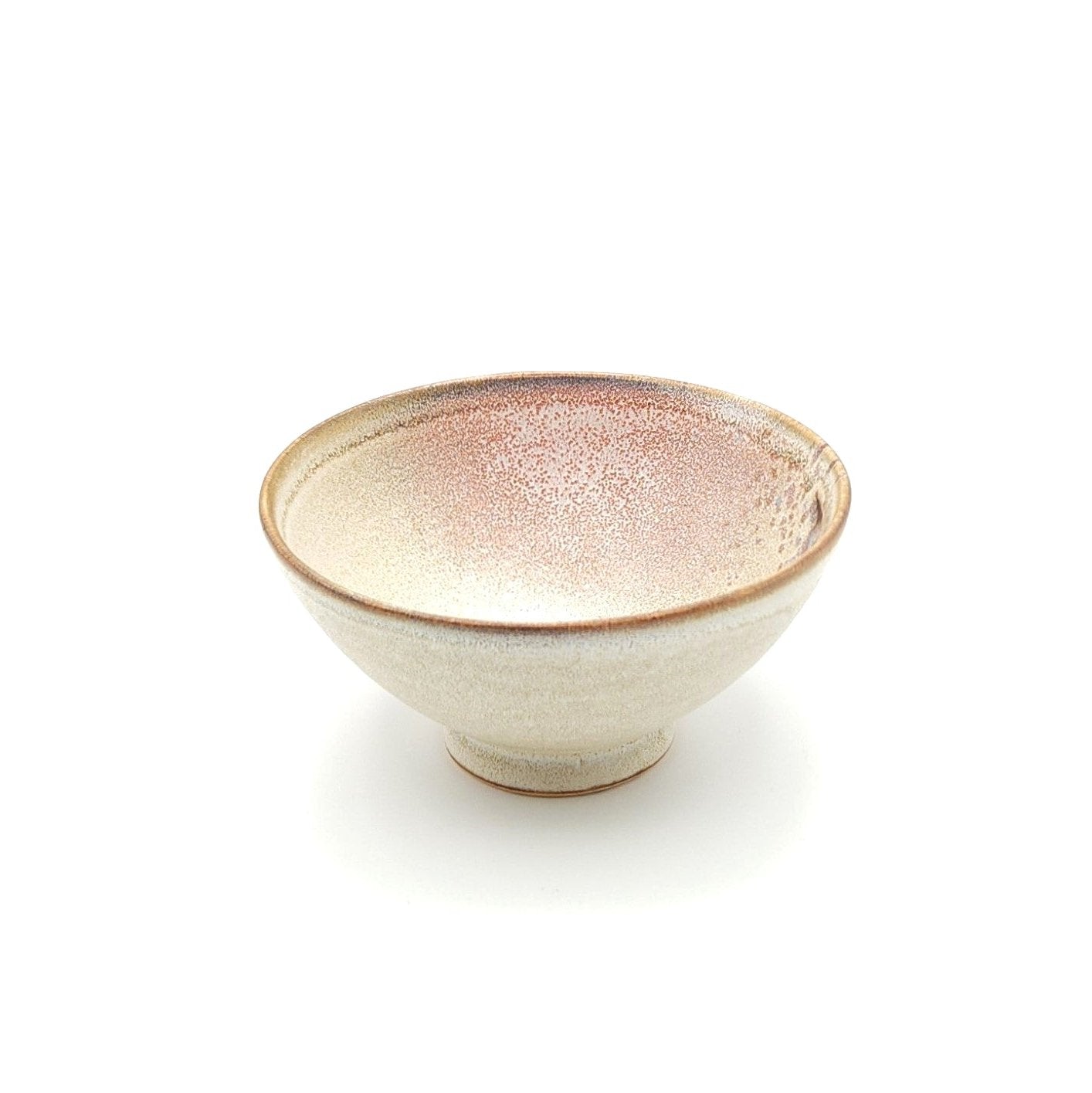
Sakura Cherry Blossoms Rice Bowl Pink, Small

Sale price¥6,380

Secure Worldwide Shipping

Risk-free safe payments


100% made in Japan, crafted with integrity and ethical labor practices.


Product Details

  • In the Box: 1 Handcrafted Rice Bowl
  • Material: Fine Glazed Pottery
  • Color Palette: Sakura Pink, Pale Gold, Soft Ivory, Ash Gray
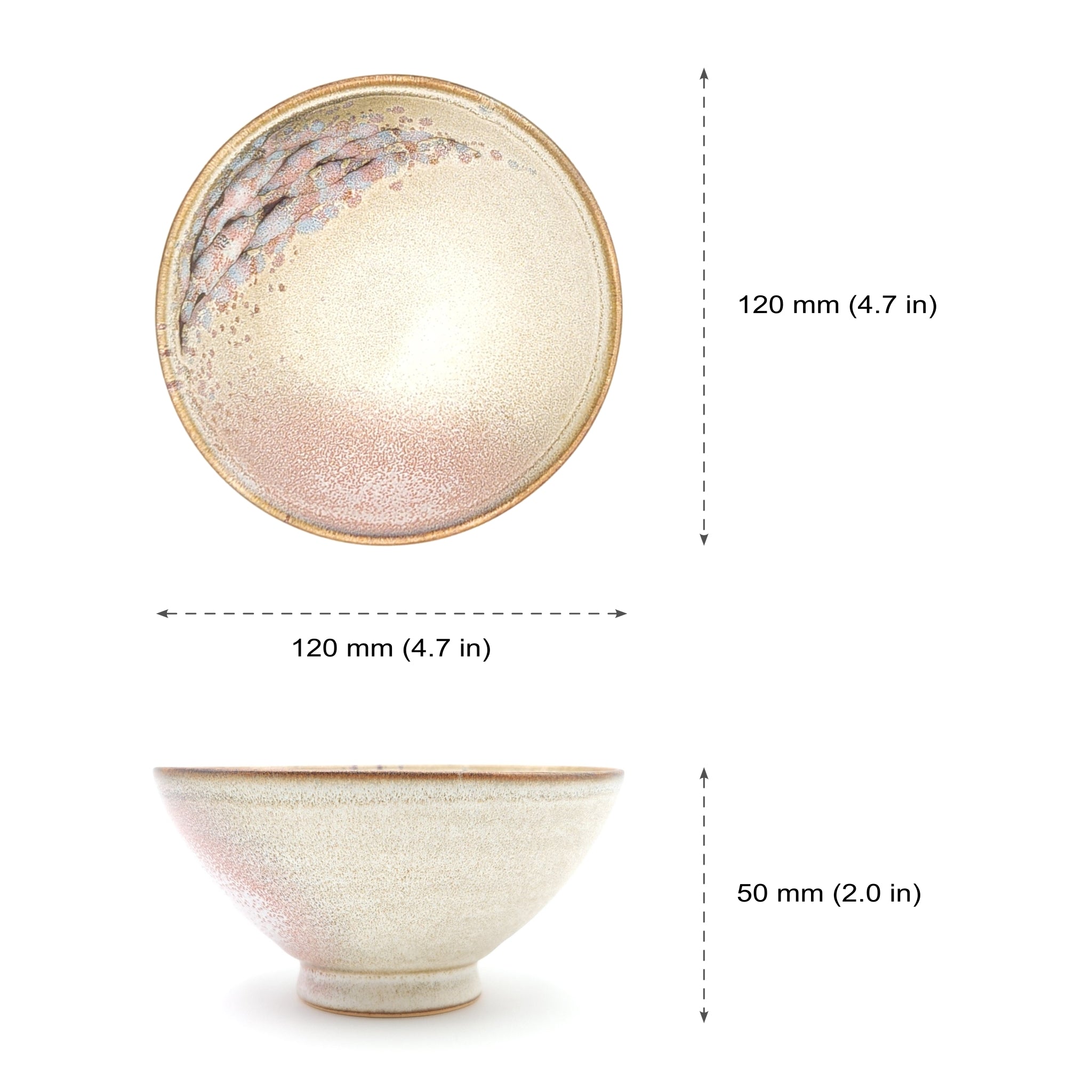
  • Dimensions: Diameter 4.72" × Height 1.97" (120 × 50 mm)
  • Volume: 5.07 oz (150 ml)
  • Weight: Approx. 6.5 oz (185 g)

Exclusivity Note: Each and every small bowl is carefully handcrafted, resulting in slight variations that make each piece unique.


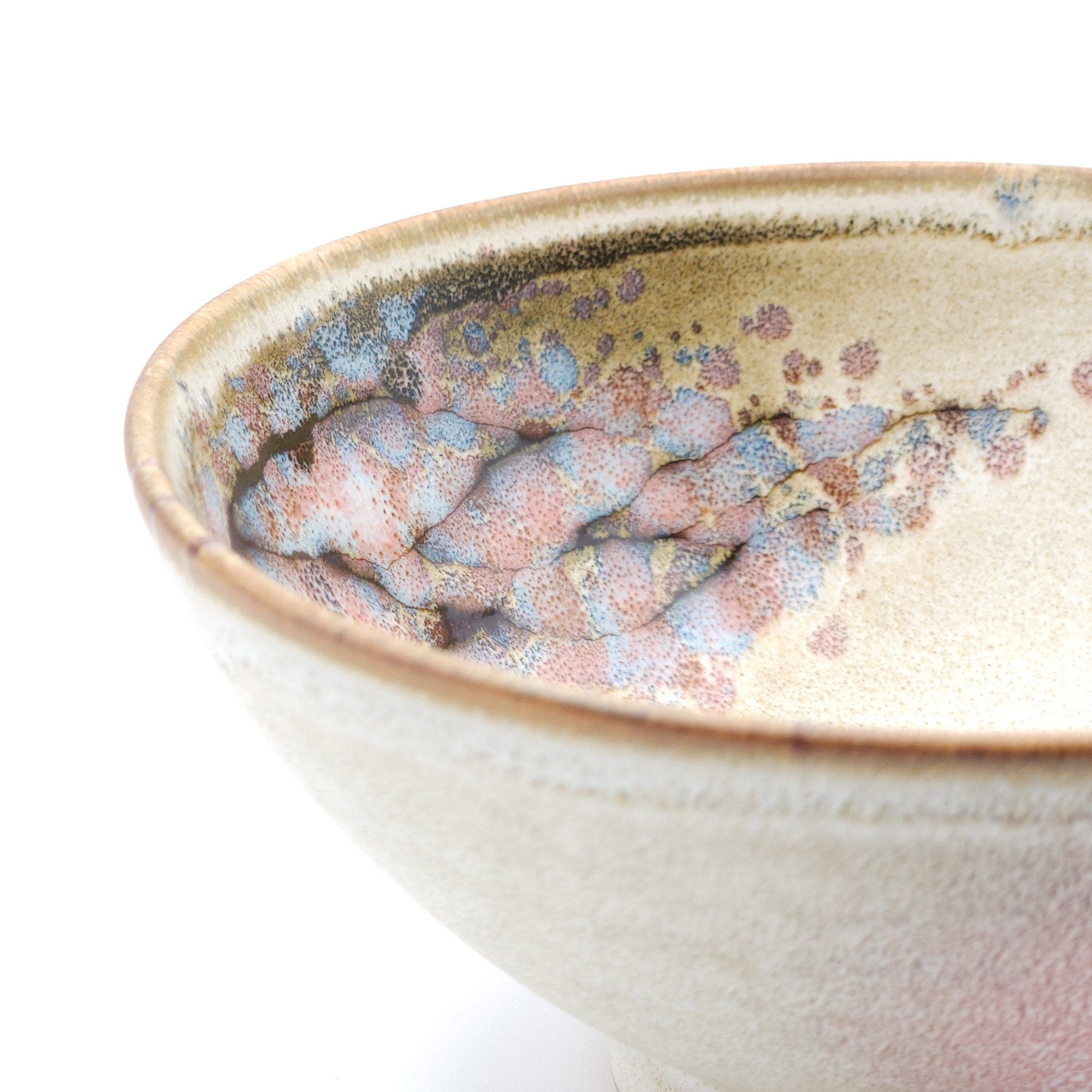
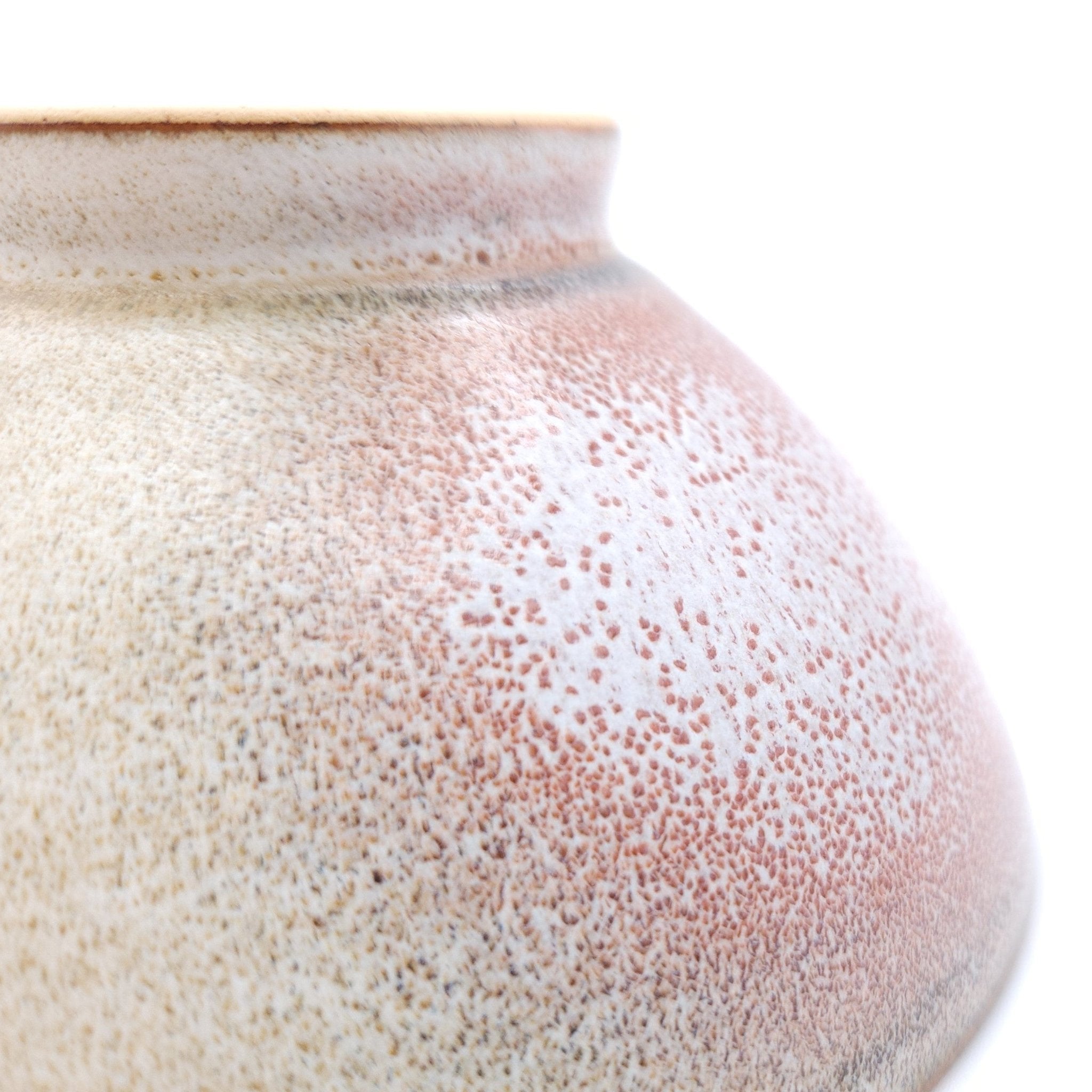
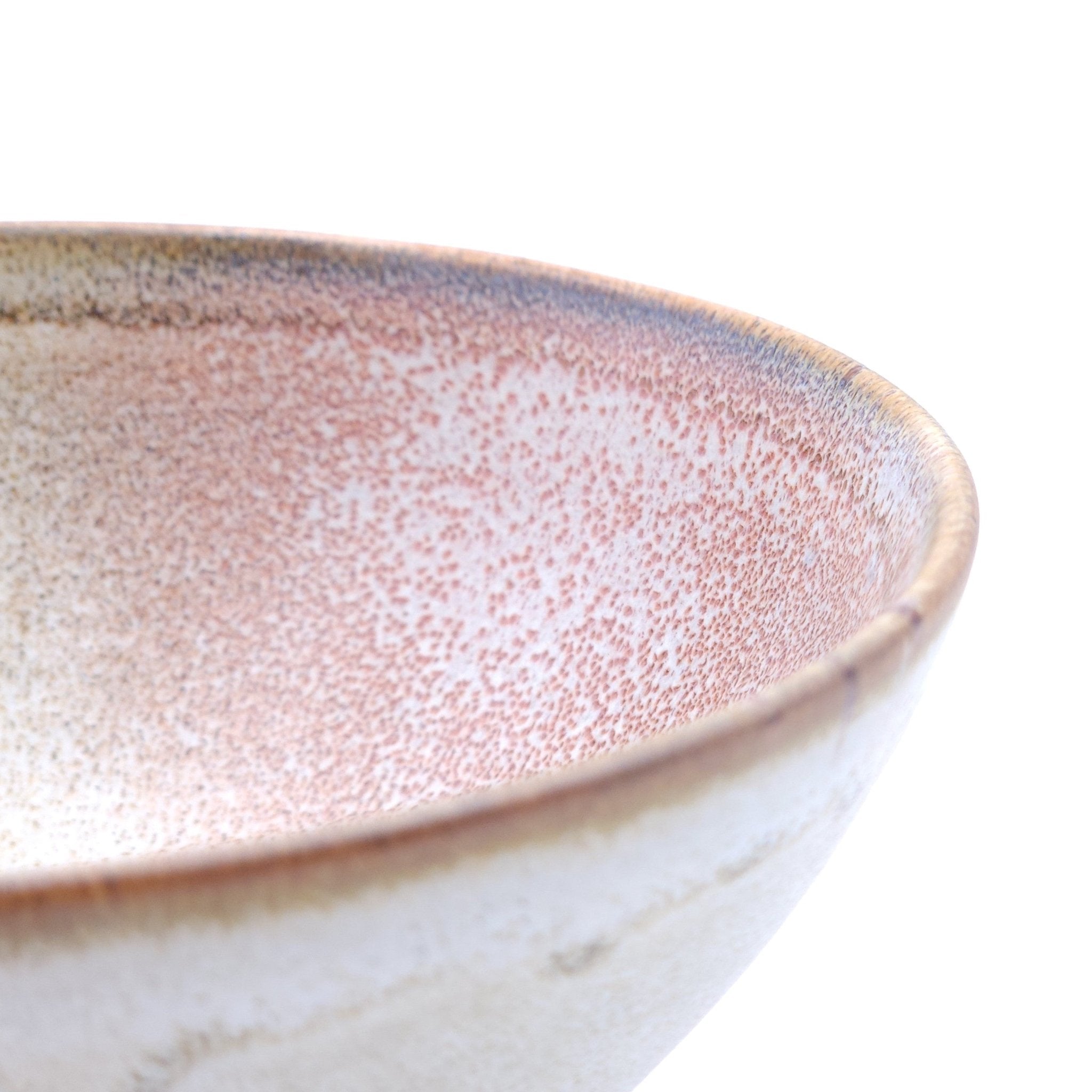
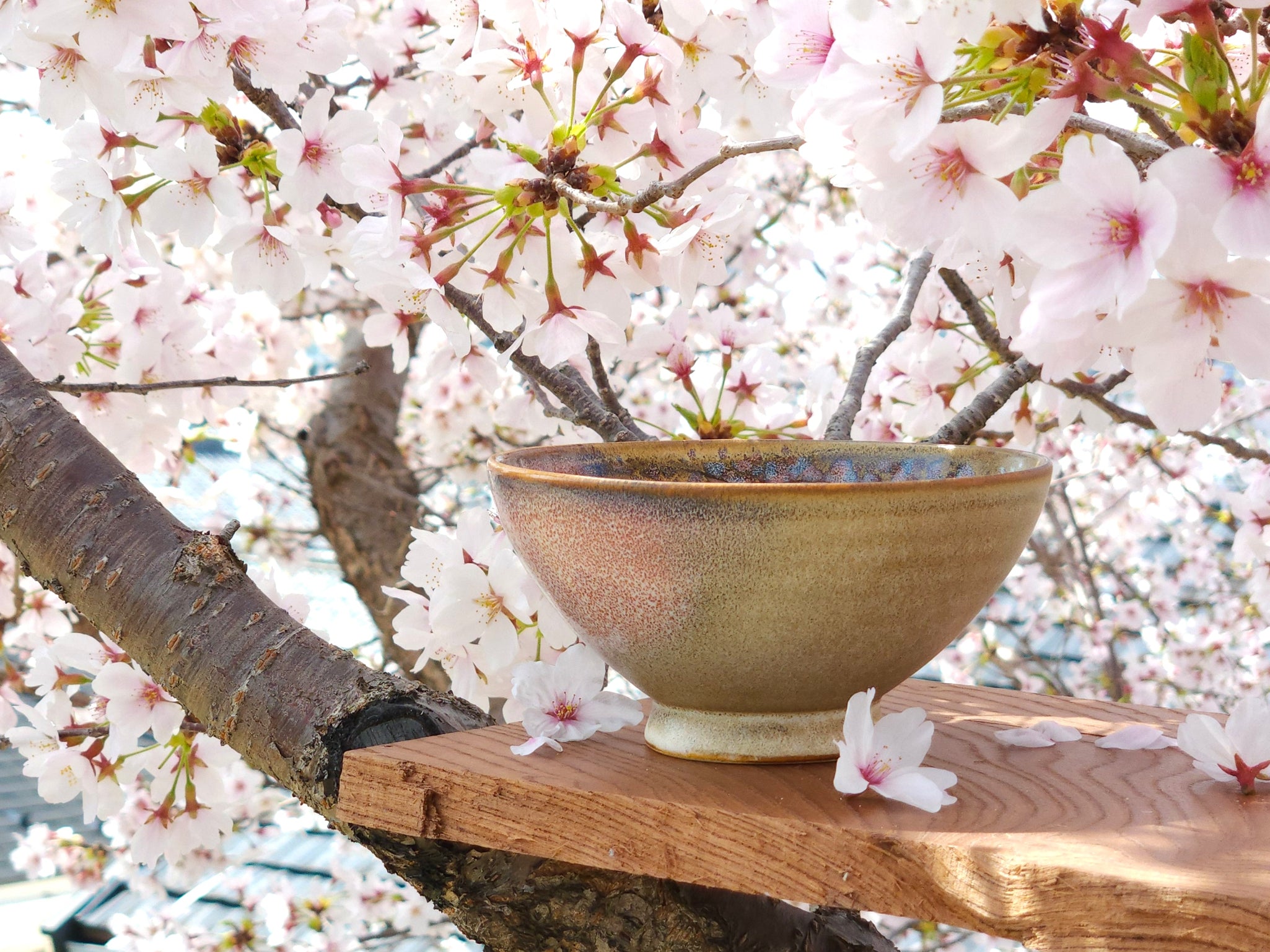
A soft ivory glaze breaks into blush and pale rose tones along the rim of this Sakura Japanese rice bowl.

In the light, small shifts in tone show where the glaze settled, in a quiet wabi-sabi spirit.

Handcrafted by master potter Kazuhiro Kojima in small batches, it steps away from mass production through natural variation and steady proportions.

Sized for steamed rice, it also suits pickles, chilled tofu, or seasonal fruit, and it reads clean on a modern table beside lacquer, linen, and glassware.

Master potter Kazuhiro Kojima. Tsukushi

The Artist

Kazuhiro Kojima

  • Location: Higashiomi, Shiga Prefecture, Japan
  • Technique: Nanasai Tenmoku
  • Tradition: Kyoto ware / Shigaraki ware

Born in 1972, Kazuhiro Kojima is a Japanese ceramic artist and son of Taro Kojima, founder of Nunobiki Kiln. Growing up surrounded by clay, fire, and his father's restless experimentation, the kiln was never a distant place. It was home.

After completing his studies at art college, he returned to Nunobiki and trained alongside his father, gradually developing a visual language distinctly his own. His signature subject is the owl, rendered using the Nanasai Tenmoku technique across a range of scales, from monumental ceramic statues to small, intimate accessories.

His pieces have been placed in hospitals, public institutions, and streetscapes, chosen for the sense of calm and quiet warmth they carry.

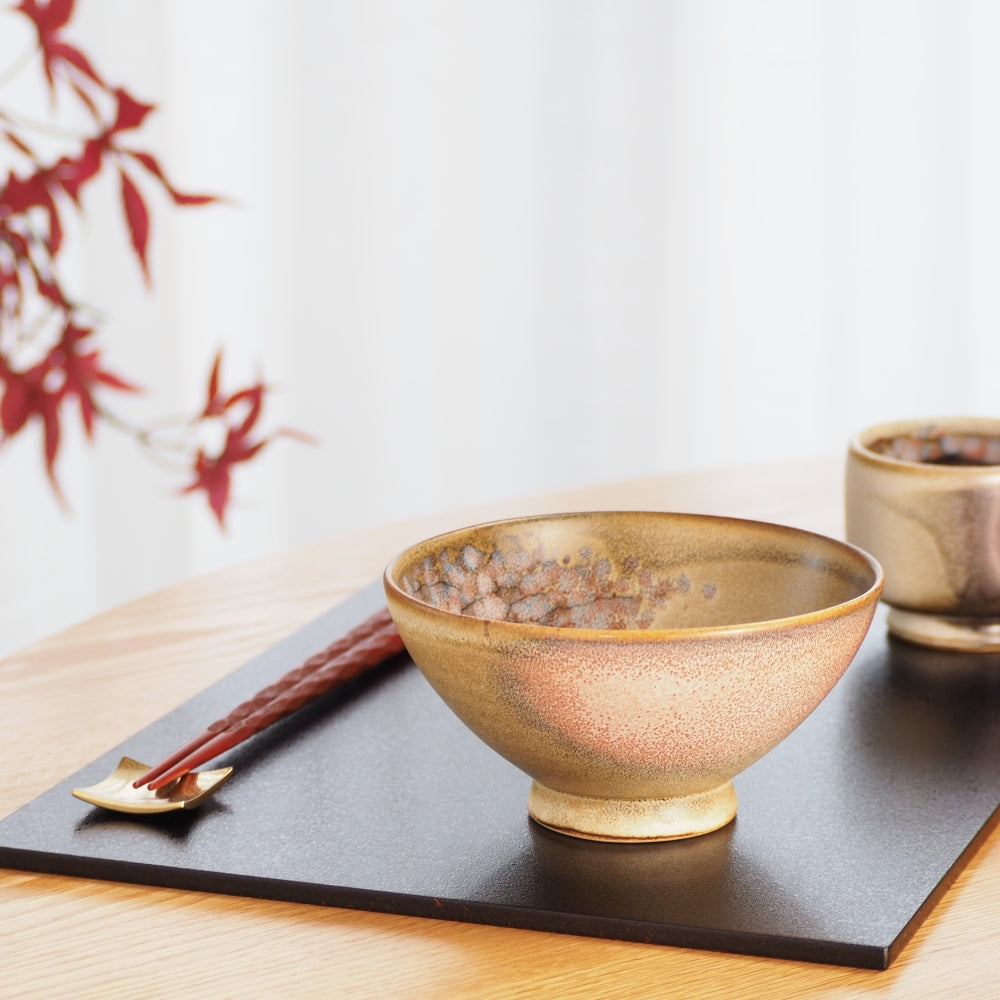
A pink Japanese rice bowl with a cherry blossom pattern on a black reflective surface. Tsukushi

Turning Simple into Special

Why you deserve Sakura

Ultimately, it's your choice.
You can decide to eat your rice or your favorite ice cream in an average, mass-produced Asian bowl, or you can gift yourself something special, something that not only brings beauty to your table but also says, "You're worth something extraordinary."
Our Sakura bowls are unique and will definitely elevate your favorite moments, whether alone or with your favorite companion.

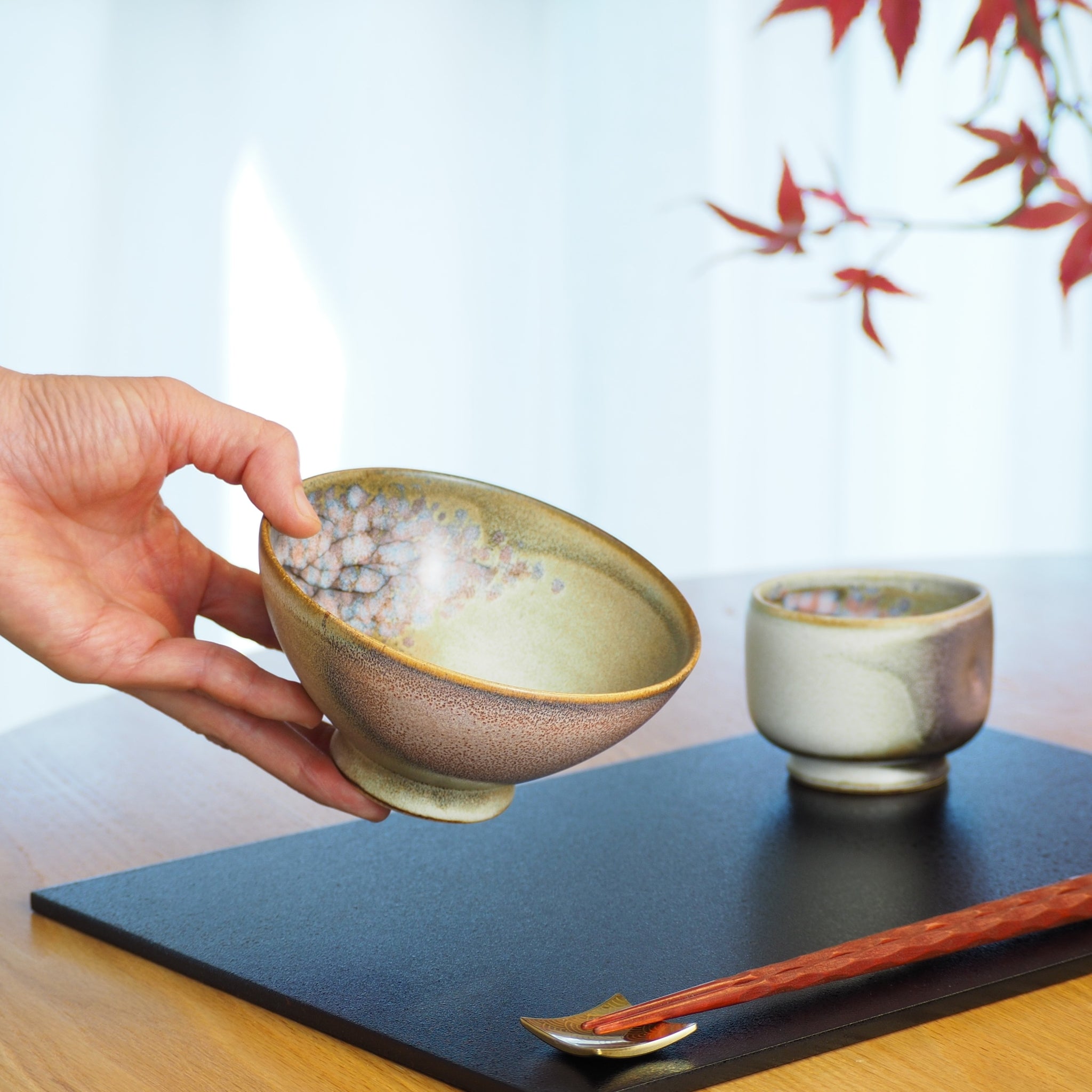
A handcrafted Japanese ceramic bowl and teacup with a cherry blossoms pattern. Tsukushi

Mindful dining for modern living

A Quiet Moment at the Table

Meticulously handcrafted and rooted in the philosophy of mindful dining, Sakura bowls embody a harmonious blend of tradition and refined artistry.
Each small bowl transforms a simple meal into a serene, meaningful experience.
In a world that rarely pauses, this perfect Japanese tableware setting, rice and bowl together, invites us to slow down, savor each moment, and appreciate the quiet beauty in everyday life.

Whether for daily use or special occasions, these pieces bring authenticity, tranquility, and timeless elegance to your table.

A Japanese Ceramic rice bowl with cherry blossom motif on a gradient background. Tsukushi

Cultural Notes

What is a Chawan?

Japanese rice bowls are also known as chawan (茶碗, chawan), a word that literally means "tea bowl."
Interestingly, while the term combines the kanji for "tea" (茶, cha) and "bowl" (碗, wan), it is commonly used in modern Japanese to refer to bowls specifically used for serving rice. This reflects how deeply integrated these vessels are in Japanese dining culture, so much so that a word originally tied to tea has come to represent one of the most essential everyday items.

That said, the original meaning of chawan still holds true.
There are specific types of chawan designed for preparing and drinking matcha, the vibrant powdered green tea used in traditional Japanese tea ceremonies. These cups, called matcha chawan (抹茶茶碗) or simply matchawan (抹茶碗) are typically larger and deeper, allowing enough space for whisking the tea properly with a bamboo whisk (茶筅, chasen).

Whether it's a simple rice bowl or an elegant tea vessel, each chawan carries the spirit of hospitality, mindfulness, and beauty that defines Japanese craftsmanship.

Making of Japanese pottery (landscape). Tsukushi

Each piece of artisanal Japanese tableware reflects a deep commitment to quality, integrity, and ethical craftsmanship. From sourcing materials and applying fine pottery glaze to the final firing process, every step honors traditional techniques while supporting fair labor and responsible production.

Love the product but....

still unsure about ordering from Japan?

We get it, ordering from overseas can feel uncertain.

That’s why we treat every order with personal care, just like we’re sending it to a friend.
From careful in-house packaging to full tracking and responsive support, Tsukushi's team is here to make sure your experience feels thoughtful, safe, and smooth; from Japan to your doorstep.
You’re not just buying a product, you’re trusting us with something meaningful.
We take that seriously.

In-house Packaging

Packed by hand with multiple protective layers for a safe arrival.

Safe Shipping

100% insured & tracked door to door.
If it breaks, we handle everything.

Personal Support

A real person, always.
Fast replies, no bots, no ticket system.

Learn more about Japanese Rice Bowls

Chawan Q&A

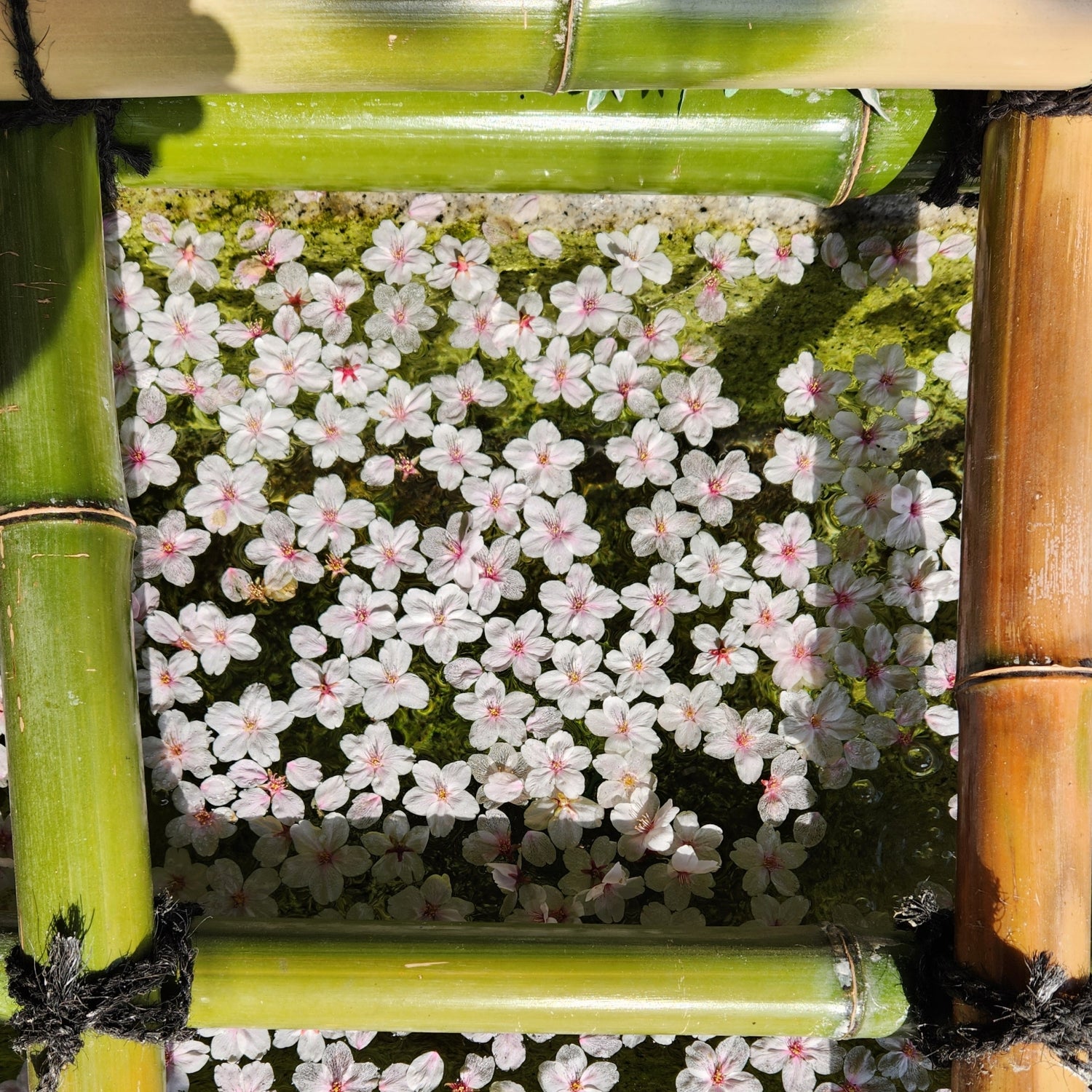
Sakura in water pond. Tsukushi
A Japanese Ceramic sakura bowl under cherry blossoms. Tsukushi

Featured Focus

The Timeless Beauty of Sakura

How Hanami Celebrates Life’s Fleeting, Precious Moments

In Japanese culture, the sakura, or cherry blossom, symbolizes the fleeting beauty of life.
Its delicate petals bloom brilliantly but for a short time, reminding us to cherish each moment.
This spirit is celebrated through hanami (花見), the tradition of gathering under blooming trees to admire their beauty, share food, and enjoy the arrival of spring.
Hanami captures both the joy and the bittersweet nature of life's passing seasons.