
How to Choose the Perfect Japanese Cup: A Complete Guide
Japanese cups are not all the same. The form of a cup, its material, its size, its surface: each of these choices carries meaning that goes back centuries.
Whether you are shopping for a daily tea cup, a handmade coffee mug, or a small espresso cup with real character, knowing the basics will help you choose well.
- Defining the Japanese Cup: Traditional Forms and Their Purpose
- The Espresso Trend: Why Japanese Ceramic Espresso Cups Are Gaining Ground
- The Mark of the Artisan: What Makes a Japanese Cup Genuinely Handmade
- Practical Buying Guide: Formats, Sizes, and Materials
- Caring for Your Japanese Ceramic Cups
- FAQ: Common Questions About Japanese Cups
This guide covers the main types of Japanese ceramic cups, how they are used, what materials make the difference, and how to care for them.
It is written for anyone who wants to understand Japanese ceramics beyond the surface.

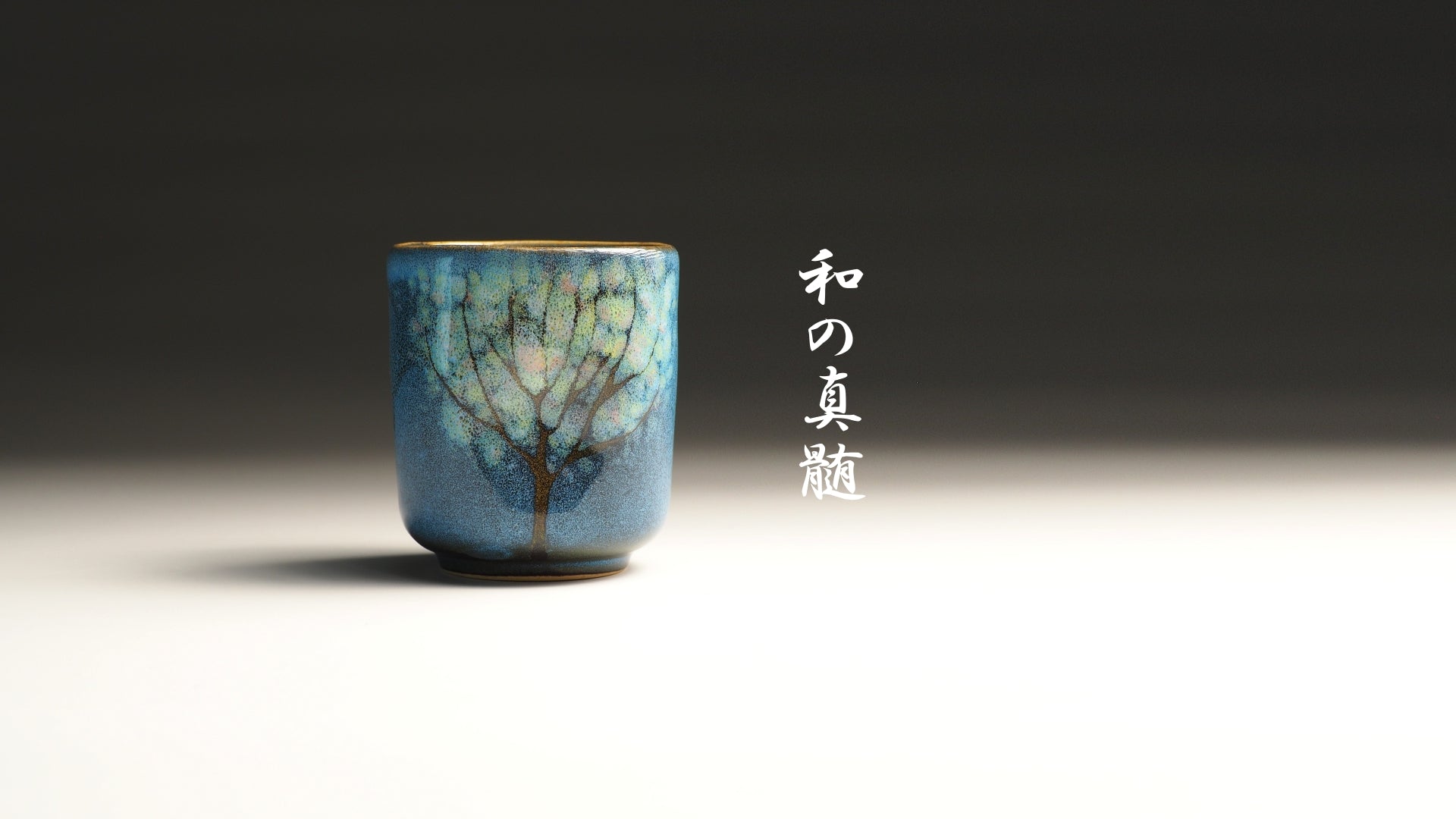
Handcrafted Japanese yunomi teacup with a wabi-sabi glaze finish.
Defining the Japanese Cup: Traditional Forms and Their Purpose
The word "cup" does not translate cleanly into Japanese ceramics. Each form has a name, a function, and a history. Here are the main types you will encounter.
The Yunomi (湯呑み), Japan's Everyday Teacup
A yunomi is a handleless Japanese teacup designed for everyday use.
It comes in two main shapes: the classic tall, cylindrical form and a shorter version. Both are held with both hands, letting you feel the warmth of the tea through the clay before the first sip.
Typical capacity: Tall yunomi: 150–220 ml (5–7.5 fl oz). Short yunomi: around 100 ml (3.4 fl oz). Ideal for green tea, hojicha, and light oolongs.
For a full guide to yunomi shapes, regional styles, and how to choose one, see Yunomi: The Japanese Teacup for Everyday Tea | Tsukushi.
The Chawan (茶碗), Japan's Ceremonial Matcha Bowl
The chawan* is technically a bowl, not a cup. It is the wide, open vessel used in the Japanese tea ceremony to prepare and drink matcha.
Its broad diameter is a functional requirement: it provides the space needed to whisk matcha with a chasen (茶筅), a bamboo whisk made from a single piece of split bamboo.
It is included here because it is often searched alongside Japanese teacups, and it is an important piece for anyone building a collection of Japanese tea ware.

Artisan-made Japanese matcha bowl with sakura decoration, presented with a traditional tomobako wooden box.
Each chawan is unique. The trace of the maker's thumb in the clay, the way the glaze settled during firing, the slight tilt of the rim: these are features, not flaws. They reflect the wabi-sabi (詫び寂び) aesthetic, which finds value in imperfection and age.
*Cultural Note: in Japanese, chawan (茶碗) refers to any wide ceramic bowl, including the everyday rice bowl. The specific term for the matcha bowl is matchawan (抹茶碗). For a full explanation of the difference, see Chawan explained: From Matcha Bowls to Japanese Rice Bowls | Tsukushi.
The Japanese Coffee Cup and Mug: From Kohi Kappu to Handmade Craft
Japan has two distinct traditions when it comes to coffee vessels.
The kohi kappu (コーヒーカップ) is Japan's version of the Western coffee cup, typically porcelain, with a handle and saucer, and deeply influenced by European tableware.
The region of Arita (有田), which pioneered porcelain production in Japan in the early 17th century, played a central role in developing this format, producing fine, thin-walled cups that combined Japanese craftsmanship with European forms.
Alongside the kohi kappu, Japan's historic pottery districts have developed a second tradition of handmade ceramic coffee cups and mugs, where centuries-old techniques like iron-rich clays, wood-firing, and ash glazes are applied to a contemporary format.
Typical capacity: Kohi kappu: 180–220 ml (6–7.5 fl oz). Standard coffee mug: 300–350 ml (10–12 fl oz).
For a detailed look at how these two traditions developed and how to tell them apart, see From Japanese Teacups to Coffee Mugs | Tsukushi.

Modern-style handcrafted pottery coffee cups with kannyū (貫入) crackle glaze.
Sake Cups: A Category of Their Own
Sake vessels form a distinct family within Japanese ceramics, each form engineered around the delicate aromas of premium rice wine.
The small, deep ochoko (お猪口) is the most common everyday sake cup.
The guinomi (ぐい呑み) is larger and more tactile, traditionally used for a more generous pour.
The flat, wide sakazuki (盃) is reserved for formal and ceremonial occasions.
These cups are a world apart from tea ware and deserve their own study.
For a full guide to sake vessel types, materials, and how to choose a set, see Japanese Sake Set Guide for Beginners | Tsukushi.
The Espresso Trend: Why Japanese Ceramic Espresso Cups Are Gaining Ground
Japanese ceramic espresso cups exist as a purpose-built category: small, precise vessels designed specifically for espresso, available in both porcelain and pottery.
Alongside these, some traditional sake vessels offer a natural alternative. This section covers both.
The Japanese Ceramic Espresso Cup: Why It Works
Japanese espresso cups are a direct response to what specialty coffee culture demands: a small, precise vessel that respects the concentration and temperature of the shot, without the cold anonymity of a standard industrial cup.
A purpose-built Japanese ceramic espresso cup brings the same material philosophy that has shaped Japanese tea ware for centuries into a Western coffee format.
The clay is considered. The weight is deliberate. The rim, whether smooth porcelain or raw yakishime, is part of how the espresso is experienced, not just contained.
Japanese pottery in particular adds a haptic dimension that industrial porcelain cannot replicate. Unglazed or partially glazed clay puts you in direct contact with the material: the texture against your fingers, the weight in your hand, the feel of the rim on your lips.
A good espresso is already a small, concentrated moment. The cup should match that.

Handcrafted Yakishime espresso cups with an unglazed surface and a distinctive tactile texture.
Sake Vessels as Espresso Cups: Ochoko and Guinomi
Alongside purpose-built Japanese espresso cups, some traditional sake vessels offer a natural alternative. The size, density, and handleless form of sake pottery map well onto the espresso experience.
Ochoko (お猪口) for single espresso.
The ochoko is a small, deep sake cup with a capacity of 60–90 ml (2–3 fl oz). Its size maps closely to a standard single espresso or ristretto. The narrow opening concentrates the aroma, and the ceramic walls hold temperature well.
Guinomi (ぐい呑み) for double espresso.
The guinomi is a larger sake cup, typically 100–120 ml (3.4–4 fl oz), with a more open form. It suits a double espresso or lungo well. Its broader rim allows the shot to breathe and develop aromatically.
Held with both hands, it brings a grounded, tactile quality to the coffee experience.
Both formats are available in a range of clays and finishes. Bizen and Shigaraki pottery are particularly valued for this use because of their density and grip-friendly unglazed surfaces.
The Mark of the Artisan: What Makes a Japanese Cup Genuinely Handmade
The difference between a handmade Japanese cup and a factory-produced one is not only visual. It is material, tactile, and philosophical.
Monozukuri (物作り): The Commitment Behind the Object
Monozukuri (物作り) means "the art of making things," but the concept carries more weight than the translation suggests. It describes the total commitment an artisan brings to their work: respect for the material, for the person who will use the object, and for the tradition being continued.
A kiln mark, a glaze drip that caught on the edge, a rim that is not perfectly level: in the monozukuri tradition, these are not errors. They are evidence that a specific person made this object. That is precisely what distinguishes genuine craft from commodity production.
What to Look for in a Genuinely Artisanal Cup
Authentic craft is not limited to one material or one technique.
An artisanal cup can be porcelain or pottery, glazed or unglazed. Wabi-sabi (詫び寂び) as a philosophy applies across all Japanese ceramics, and its expression will be different depending on the maker and the style.
What follows are some of the most recognizable markers of handmade quality, but they are examples, not a checklist.
-
Wabi-sabi asymmetry.
Slight irregularities in the rim, base, or form are not defects, in the wabi-sabi tradition, they are marks of the maker's presence and the nature of the material. This applies to both porcelain and pottery pieces. -
Yakishime texture (焼き締め).
Yakishime pottery, fired at high temperature without glaze, has a natural, often gritty surface that improves grip and provides a direct connection to the clay. It is also dense and retains heat well.
Yakishime is one expressive example of handmade quality, but a glazed porcelain cup can be equally artisanal. -
Kannyuu crackle glaze (貫入).
Some Japanese glazes develop a fine network of cracks called kannyuu. This is not damage. Over time, tea, coffee, and use deepen the pattern, creating a surface that is unique to each owner.
It is a particularly visible sign of character in pottery glazes, though it can appear in porcelain too. -
Glaze drips and kiln marks.
These are the direct traces of the firing process. They are one indicator of handmade production, but their absence does not mean a piece is not artisanal. Many skilled potters work with clean, controlled surfaces by choice.
Practical Buying Guide: Formats, Sizes, and Materials
Two practical questions guide most buying decisions: what size do you need, and what material suits your use. Here is a quick reference for both.
Sizes and Formats
Choosing the right Japanese cup starts with understanding what you are looking for.
Here is a quick reference by format.
Traditional Japanese vessels
Ochoko (お猪口) — 60–90 ml / 2–3 fl oz. A small, deep sake cup. Also used for single espresso.
Guinomi (ぐい呑み) — 100–120 ml / 3.4–4 fl oz. A larger sake cup, more open in form. Also used for double espresso.
Yunomi (湯呑み) — 150–220 ml / 5–7.5 fl oz. The everyday Japanese teacup. Handleless, held with both hands.
Chawan (茶碗) — No standard capacity. A wide ceramic bowl for preparing and drinking matcha. Size varies by maker and style.
Purpose-built coffee vessels
Espresso Cup — 150 ml / 5.1 fl oz. Designed for espresso, with or without handle.
Kohi Kappu (コーヒーカップ) — 180–220 ml / 6–7.5 fl oz. The Japanese coffee cup, typically porcelain with handle and saucer.
Coffee Mug — 300–350 ml / 10–12 fl oz. For filter coffee, latte, and longer drinks.
Choosing by Material: Porcelain vs. Japanese Pottery
Japanese ceramics fall into two main material categories. Understanding the difference will help you choose a cup that matches not just your taste, but how you want to experience the drink.
Jiki (磁器, Porcelain): Refined, white, and non-porous.
Porcelain is the best choice for preserving the clean, delicate notes of light-roast specialty coffee or white tea. Its smooth surface releases flavors without interference, and its visual clarity suits minimalist aesthetics.
Arita and Imari are Japan's most celebrated porcelain regions.
Touki (陶器, Japanese Pottery): Earthy, warm, and highly tactile.
Pottery retains heat well and develops character over time. It is the preferred choice for those who value the texture and presence of the material.
Bizen, Shigaraki, and Seto are the most respected regions for traditional Japanese pottery.
General guide: for delicate drinks where the flavor is the focus, porcelain is the cleaner choice. For drinks where the feel and warmth of the cup matter as much as the drink itself, pottery offers more character.
Note: Western ceramic categories such as porcelain, stoneware, and earthenware do not map perfectly onto Japanese classifications. The distinctions in technique, firing temperature, and clay composition are complex and regionally specific.

Japanese guinomi cups, traditionally used for sake, also make a natural vessel for espresso or other small coffee servings.
Caring for Your Japanese Ceramic Cups
A handmade Japanese cup is built to last for generations. A few simple habits will protect the glaze, preserve the clay, and let the piece develop naturally over time.
Daily Care
- Washing. Always check the care instructions for each specific piece. Some modern artisanal cups are dishwasher safe. As a general rule, hand washing with warm water and a soft cloth is the safest approach and will preserve hand-applied glazes better than machine washing.
- Seasoning new pottery: Medome (目止め). Before using a new piece of unglazed or partially glazed pottery for the first time, a traditional Japanese practice called medome involves soaking the piece in rice water for a few hours. This seals the pores of the clay and reduces the risk of staining, which is particularly relevant for cups with kannyuu crackle glazes. It is not required, but it is traditionally recommended in Japan.
- Drying. Allow pottery to air-dry completely, ideally upside down on a rack, before storing. Moisture trapped in the unglazed foot of the cup can cause odor over time.
FAQ: Common Questions About Japanese Cups
These are the questions most frequently asked about Japanese ceramic cups, answered directly for quick reference.
What is a yunomi?
A yunomi (湯呑み) is a traditional Japanese teacup used for everyday tea drinking. It is typically handleless and held with both hands. It comes in a tall cylindrical form (150–220 ml / 5–7.5 fl oz) and a shorter version (around 100 ml / 3.4 fl oz).
The most common type of Japanese teacup, it is used primarily for green tea, hojicha, and oolong.
What is the difference between a yunomi and a chawan?
A yunomi is a cup used for drinking everyday tea. A chawan, or more precisely a matchawan (抹茶碗), is a bowl used specifically for preparing and drinking matcha in the Japanese tea ceremony. It is wider and shallower than a yunomi, and designed to accommodate the chasen (茶筅), the bamboo whisk needed to prepare matcha. A yunomi is for personal daily use; a chawan is ceremonial.
Can you use a Japanese sake cup for espresso?
Yes. Two sake cup formats are commonly used for espresso.
The ochoko (60–90 ml / 2–3 fl oz) is a good match for a single espresso.
The guinomi (100–120 ml / 3.4–4 fl oz) works well for a double espresso or lungo. Both are handleless and made from dense, heat-retaining Japanese ceramics.
Why are traditional Japanese teacups handleless?
Japanese teacups such as the yunomi are held with both palms rather than a handle.
This is functional: if the cup is too hot to hold comfortably, the tea inside is too hot to drink. The two-handed grip also encourages a slower, more attentive approach to drinking, consistent with the values of the Japanese tea tradition.
What does wabi-sabi mean in Japanese ceramics?
Wabi-sabi (詫び寂び) is the Japanese aesthetic philosophy of finding beauty in imperfection and impermanence.
In ceramics, it means that the asymmetries, kiln marks, and glaze variations in a handmade piece are valued rather than corrected. A cup made by hand will always carry visible evidence of the process, and in the wabi-sabi tradition, that evidence is what gives the object meaning.
What is the difference between Japanese porcelain and Japanese pottery?
Japanese porcelain (jiki, 磁器) is refined, white, and non-porous. It is best for beverages where the flavor is delicate and the visual clarity of the drink matters.
Japanese pottery (touki, 陶器) is earthier, more tactile, and retains heat well. It develops character over time.
Note that Western categories like "stoneware" or "earthenware" do not translate exactly into Japanese ceramic classifications, which are shaped by region, clay type, and firing tradition.
Are Japanese ceramic cups dishwasher safe?
It depends on the specific piece. Some modern artisanal cups are dishwasher safe. As a general practice, hand washing is always the safer option for any piece with hand-applied glazes, kannyuu crackle patterns, or unglazed surfaces.
Always check the care instructions provided with each individual cup.
What is medome in Japanese ceramics?
Medome (目止め) is a traditional Japanese practice for seasoning new pottery before first use. It involves soaking the unglazed or partially glazed piece in rice water for a few hours, which seals the pores of the clay and reduces the risk of staining. It is particularly recommended for cups with kannyuu crackle glazes.
The practice is not required for modern pieces but remains a traditional recommendation in Japan.
What is a kohi kappu?
Kohi kappu (コーヒーカップ) is the Japanese term for a coffee cup. It typically refers to a handled porcelain cup with a saucer, influenced by European coffee culture and produced by Japan's porcelain regions, most notably Arita.
The kohi kappu sits alongside the handmade Japanese coffee mug as two distinct expressions of Japanese ceramic craft applied to coffee culture.