

Journal
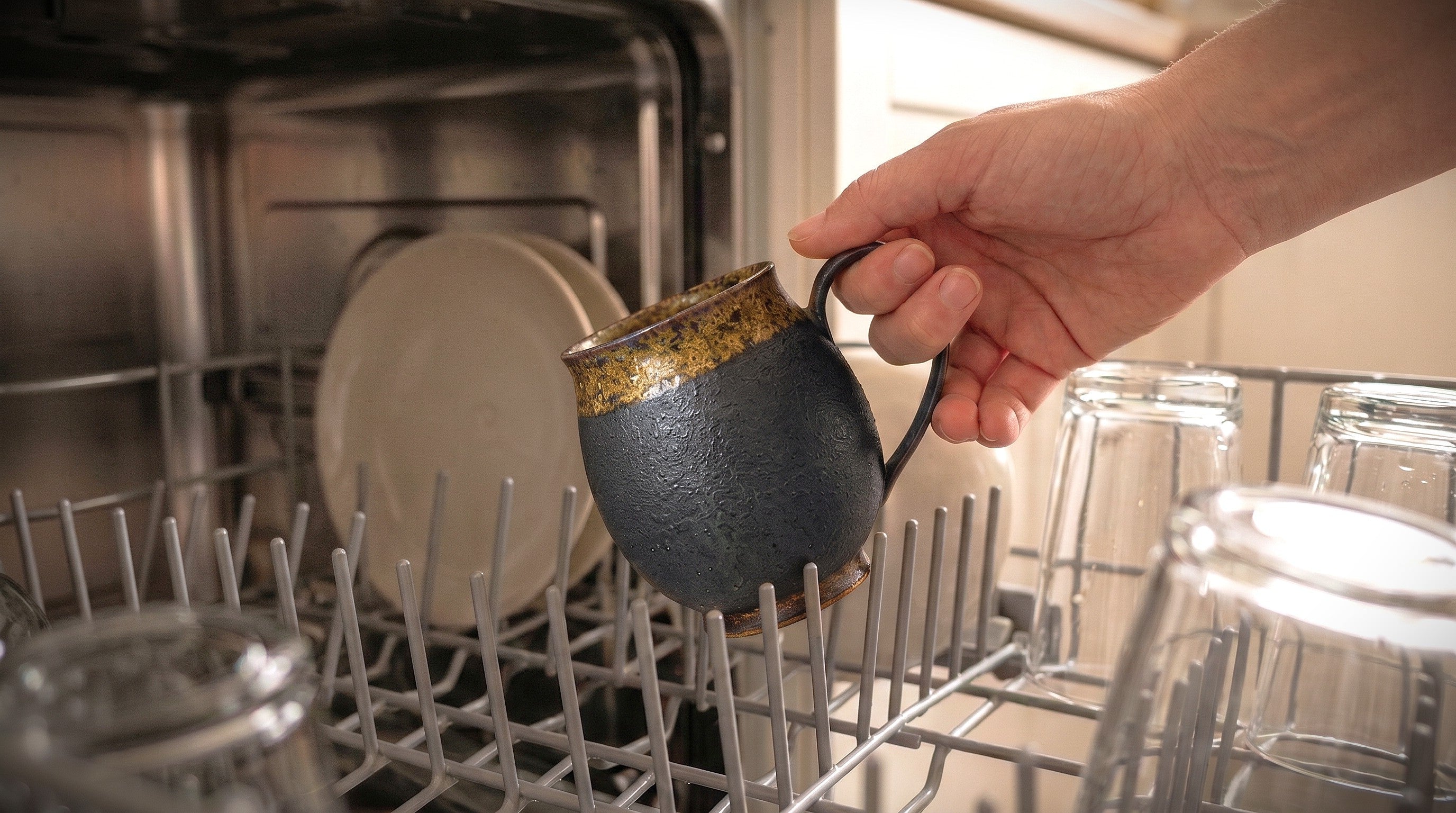
Can Japanese Pottery Go in the Dishwasher or Microwave?
Learn when Japanese pottery is microwave- or dishwasher-safe, what affects compatibility, and when hand washing is the better choice.
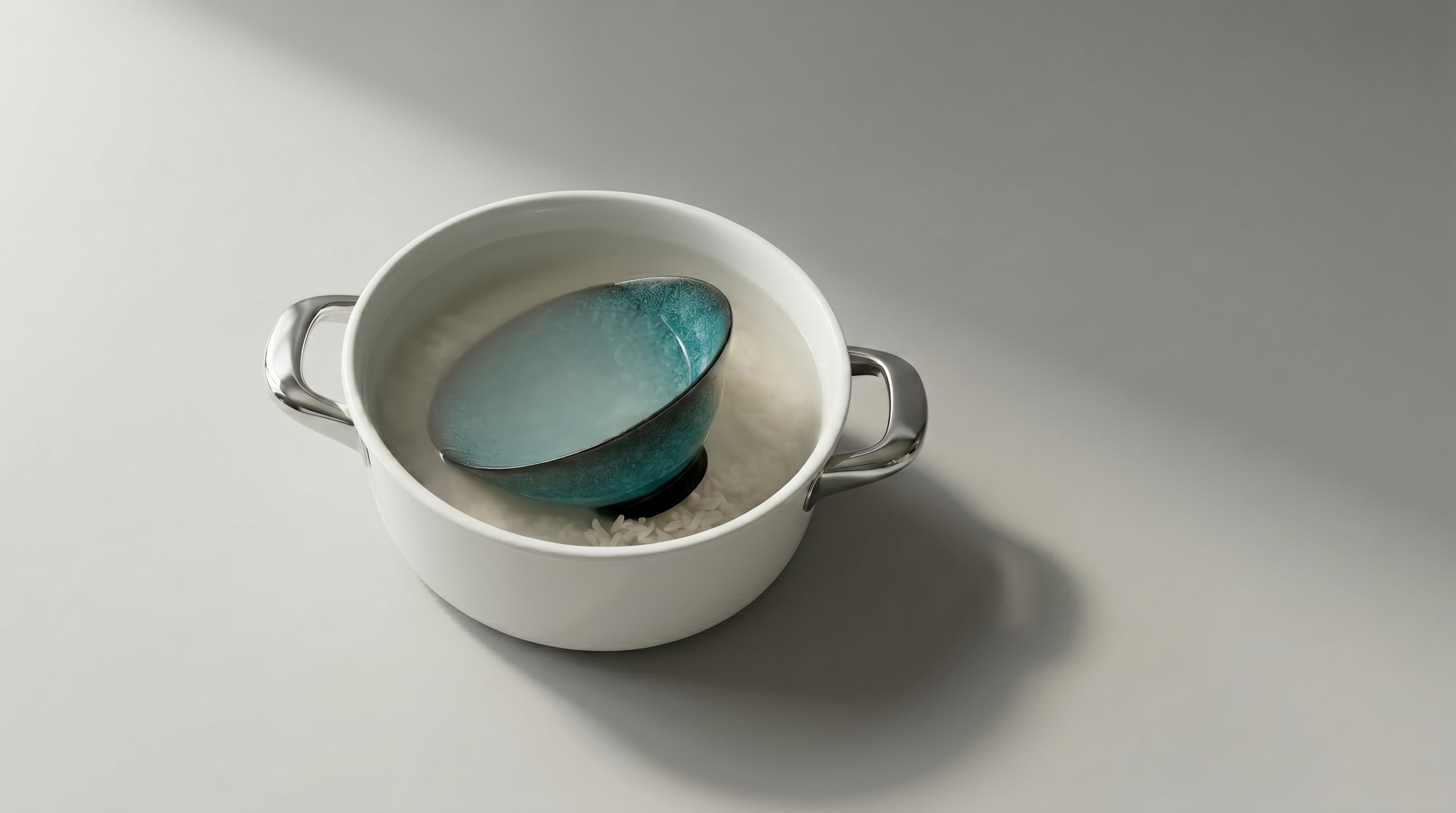
Japanese Pottery Care Guide: What Is Medome and Why Your Ceramics Might Need It
A master-backed guide to medome (目止め), the traditional Japanese process of sealing unglazed pottery pores to prevent stains, mold, and food odors.
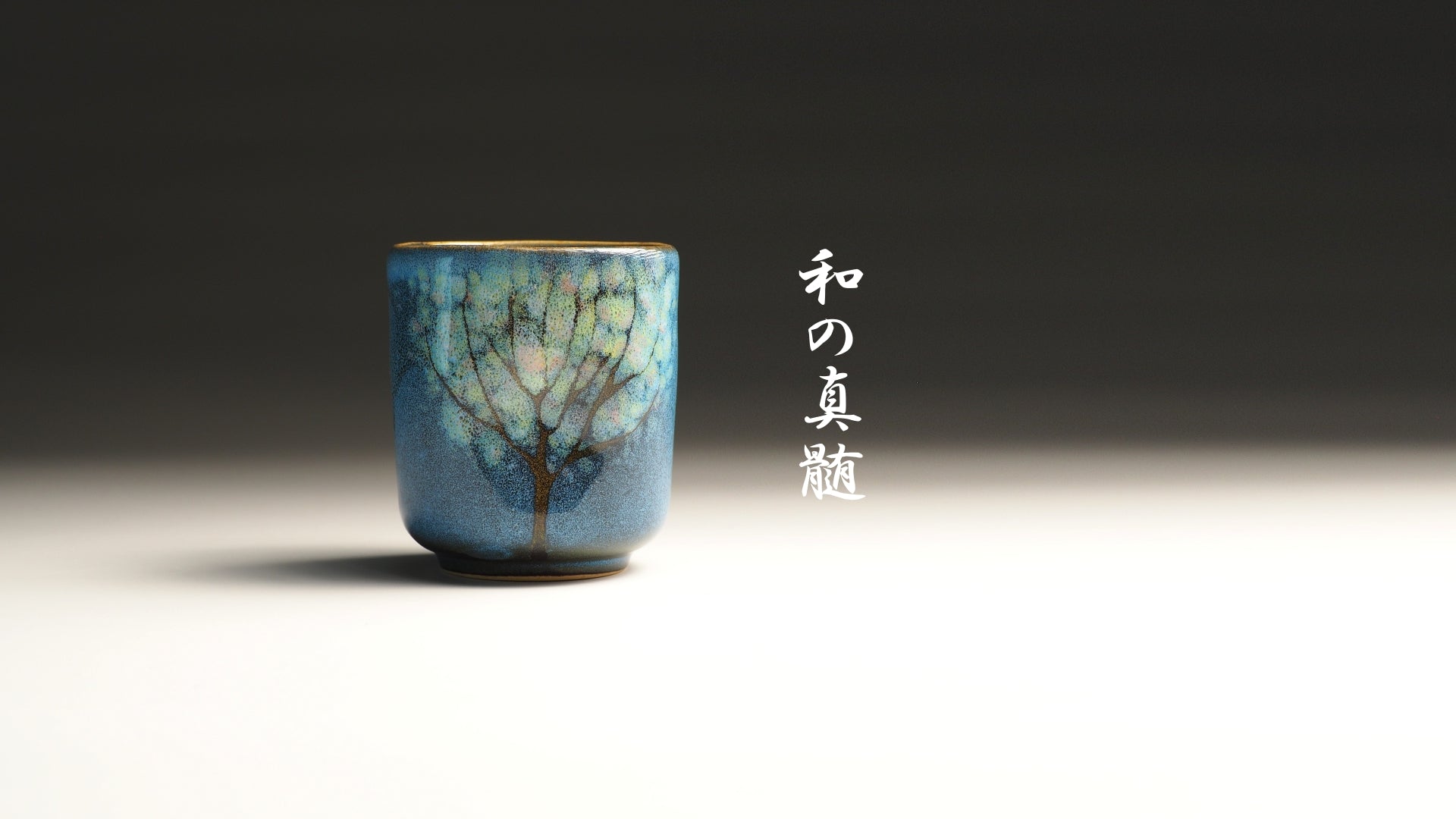
Japanese Tea Cups Made in Japan: How to Recognize Authentic Handmade Yunomi
Many teacups claim to be Japanese. Few are actually made in Japan. A practical guide to recognizing the difference before you buy.
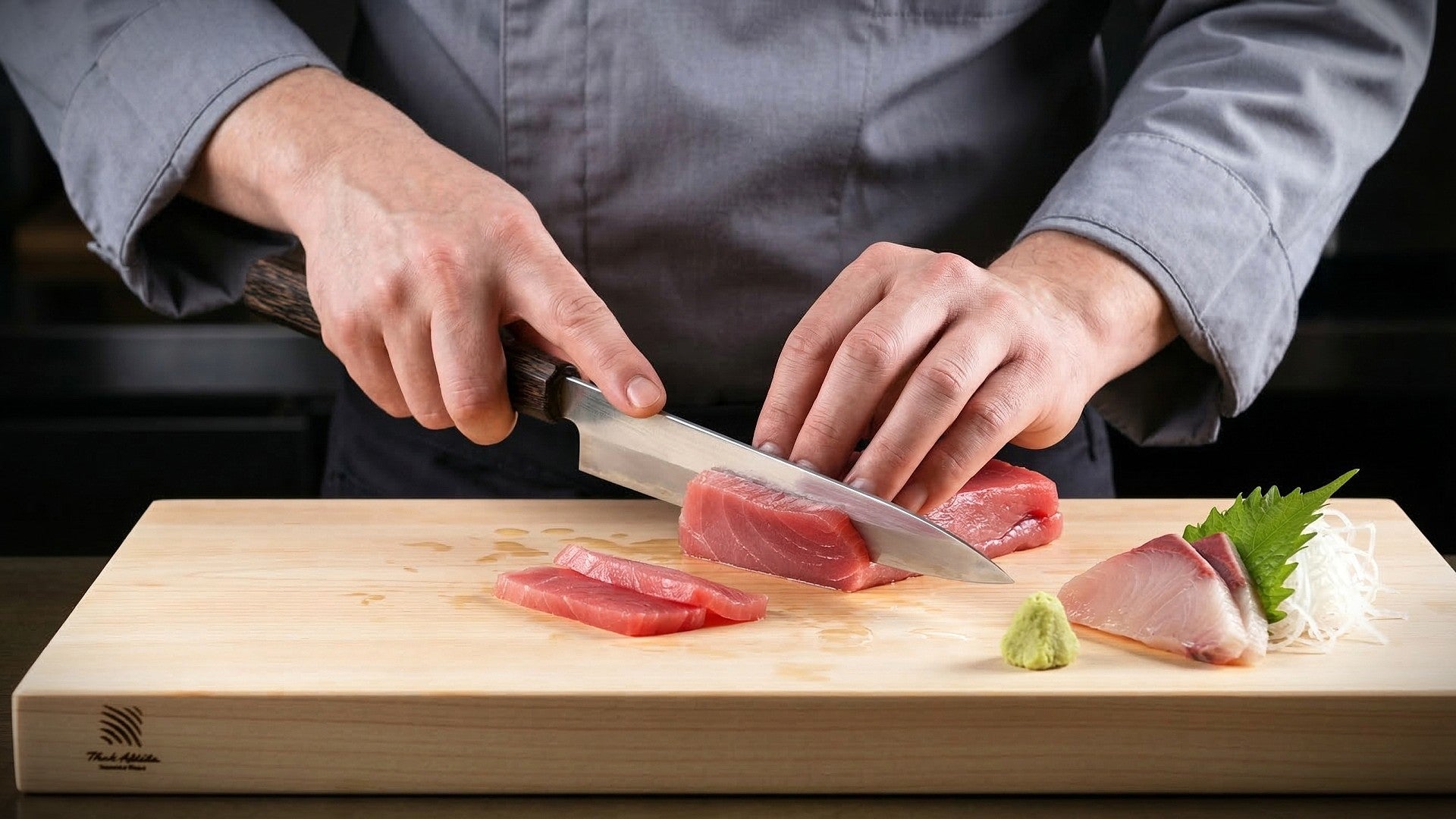
Why Hinoki Manaita is One of the Best Cutting Boards for Japanese Knives
Discover why hinoki manaita stands out as a Japanese cutting board for fine knives, precise prep, and practical daily kitchen use.

The Craft of Care: Why Japanese Artisans Make Things Differently
Why do Japanese artisans work differently? Discover monozukuri, wabi-sabi, and the cultural meaning behind handmade craft.

Made in Japan: A Beacon of Craftsmanship in a World of Mass Production
Discover how monozukuri and wabi-sabi shape the true meaning of Made in Japan craftsmanship in a world of mass production.

Why Time Is the True Luxury: 996 Work Culture vs. Craftsmanship
In a fast world, find why slowing down, creating, and living with purpose become acts of true wealth.

Wabi-Sabi and the Art of Slow Living; How to Find Calm Beyond Perfection
Wabi-sabi embraces simplicity, imperfection, and time’s flow. Bring calm, authenticity, and mindful living into your home with this Japanese philosophy.

Hashioki: The Cultural Meaning Behind Japanese Chopstick Rests
Hashioki are more than just chopstick rests, they add elegance, hygiene, and tradition to Japanese dining. Learn what they are and how to use them.

Sakai: The Heart of Japanese Knife Craftsmanship
Discover the unmatched precision and artistry of Sakai knives, Japan’s 600-year legacy of craftsmanship, cherished by chefs worldwide.

How to Maintain Your Japanese Knives: Expert Care & Maintenance Guide
Master the art of Japanese knife care. Learn to clean, store, and protect your blades for lasting sharpness, beauty, and performance.

The Legendary Knives of Echizen: A Tradition Forged in Steel
Experience the 700-year legacy of Echizen Uchihamono, handcrafted blades of enduring sharpness, artistry, and tradition from Fukui, Japan.