

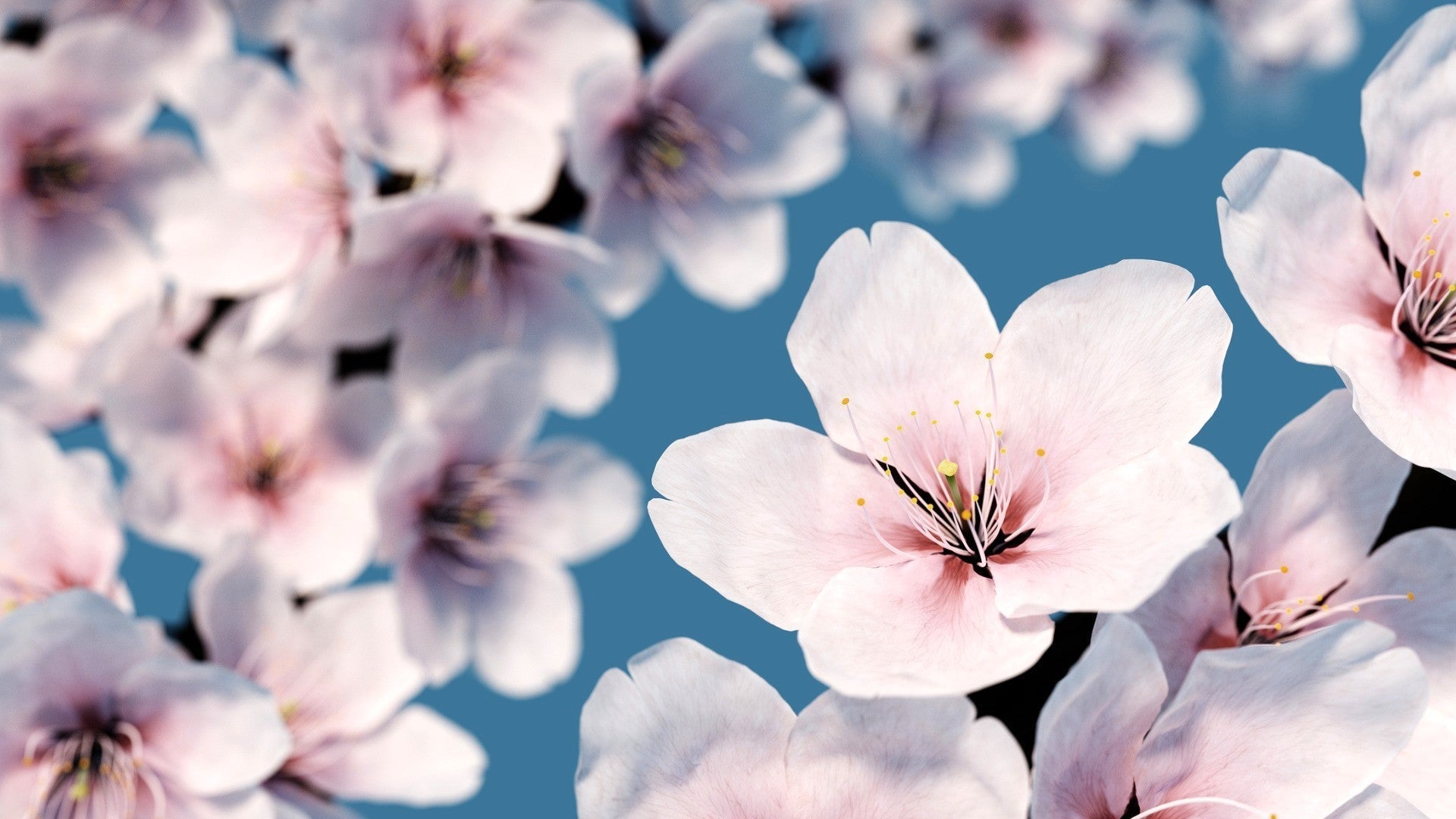
The Magic of Sakura: A Guide to Hanami and Cherry Blossom Symbolism
Each spring, Japan pauses beneath the cherry trees. This season is closely tied to hanami (花見), the Japanese tradition of viewing flowers, especially cherry blossoms in bloom.
In Japan, cherry blossoms represent impermanence, renewal, and the emotional beauty of passing time.
That is why sakura (桜), the Japanese word for cherry blossom, holds such a meaningful place in Japanese culture.
This article explores sakura symbolism, what it represent in Japanese culture, the roots of hanami, and how the beauty of cherry blossom season continues to shape Japanese art, ceramics, and tableware.

Close-up view of cherry blossoms (sakura) in a park in Kusatsu, Shiga Prefecture, captured during hanami season.
Why Sakura Means More Than Spring
Cherry blossoms are not admired in Japan only because they are beautiful.
They matter because they bloom briefly, disappear quickly, and turn the arrival of spring into something emotional, cultural, and deeply reflective.
Sakura Fubuki and the Beauty of Impermanence
One of the most evocative images of cherry blossom season in Japan is sakura fubuki (桜吹雪), literally “a cherry blossom blizzard.”
The term describes the moment when petals begin to fall in large numbers and move through the air like a soft spring snowstorm.
It is a beautiful image, but also a meaningful one, because it captures the brief life of the blossoms at the very moment they begin to disappear.
That image helps explain why sakura carries such unusual emotional weight.
The blossoms arrive suddenly, transform streets, parks, temples, and riversides, and then begin to fall almost as soon as they reach full bloom. Their power lies not only in how they look, but in how little time they remain.
Think about that, a flower that stayed unchanged for months would not create the same feeling. Sakura creates urgency. It asks to be noticed now and at the same time teaches us that beauty is often most precious when it cannot be held for long.

A deer in Japan stands beneath a sakura fubuki, a swirling blizzard of cherry blossoms, evoking the fleeting beauty and impermanence of life.
In sakura fubuki, beauty and loss appear together, giving visible form to one of the deepest ideas in Japanese aesthetics: that what moves us most is often what cannot last.
Mono no Aware and the Feeling of Passing Beauty
That sensitivity to passing beauty is closely tied to mono no aware (物の哀れ), a Japanese expression often used to describe the quiet emotion that arises when we recognize that something beautiful cannot last.
It is not simply sadness, and not exactly nostalgia either. It is a gentler, more reflective feeling, one that deepens beauty rather than diminishing it.
Cherry blossoms have come to embody this sensibility with unusual clarity. They are admired not only because they are beautiful, but because their beauty is already slipping away.
The viewer is invited to enjoy the moment fully while also feeling its fragility.
This is one reason sakura has remained so powerful in Japanese culture. The blossoms can suggest joy, tenderness, loss, and renewal all at once. They do not force a single emotion. Instead, they create space for a more layered response, where beauty becomes more moving precisely because it is temporary.
Renewal, Beginnings, and the Season of Change
Yet sakura does not speak only of transience.
Cherry blossom season also marks a time of movement and renewal. In Japan, it coincides with the start of the school year, new jobs, relocations, and many of the formal beginnings that shape personal and social life.
That timing gives the blossoms a broader emotional range. They can suggest fragility and hope at the same time.
Even as the flowers remind us that beauty does not last, they also arrive at the moment when new chapters begin.
This balance is part of what makes sakura so distinctive in Japanese culture. The blossoms are never only wistful, and never only celebratory.
They hold both moods together, reflecting a season that feels at once tender, transitional, and full of possibility.
What Hanami Really Is
Hanami is often translated as “flower viewing,” but the custom is richer than that.
It is a seasonal ritual that joins nature, gathering, atmosphere, and shared time, turning the arrival of cherry blossoms into a lived cultural moment.
More Than Simply Looking at Flowers
At a basic level, hanami means viewing flowers. In modern Japan, however, it almost always refers to cherry blossoms. More importantly, it refers not only to the act of looking, but to the broader experience created around the bloom.

Cherry Blosson Viewing at Gotenyama by Torii Kiyonaga. Woodblock print Edo period (1615–1868). The MET museum.
People gather beneath the trees, sit together, eat, drink, talk, and spend time in the company of the blossoms. The flowers are not a backdrop in the modern entertainment sense. They shape the whole mood of the gathering. They give the event its timing, its tone, and its meaning.
In this way, hanami becomes a ritual of shared attention. The participants are not simply outdoors; they are entering a short-lived season together.
The experience is social, but also quietly reflective so that even the most cheerful hanami gathering carries some awareness that the scene will not last.
A Tradition With Many Forms
Hanami and Japanese cherry blossom traditions never existed in just one form. Across history, they have included aristocratic appreciation, public strolling, festive drinking, family gatherings, and evening blossom viewing. Some settings have been elegant and restrained, while others have been lively and crowded.
This variety is part of what kept the tradition alive. Hanami did not survive by remaining fixed and endured because it could adapt to different periods, social classes, and ways of gathering while preserving its emotional core.
The common thread was always the same: the presence of blossoms turned the moment into something seasonally charged.
That flexibility still matters today, and hanami can feel quiet or communal, intimate or public. It remains recognizable not because it follows strict rules, but because it is shaped by a shared sensitivity to the season.
This is also why hanami still feels relevant in modern life.
Some traditions survive mainly as heritage, but hanami remains a lived experience. It creates a pause in time, a reason to gather, and a culturally accepted way to pay attention to something fragile and temporary.
In a world often shaped by speed and distraction, it offers another rhythm, one that gives value to presence, seasonality, and passing beauty.
How Cherry Blossoms Became Japan’s Symbol of Spring
Sakura did not become Japan’s defining spring image overnight. Its rise was shaped by older customs, literary culture, and the gradual shift from courtly appreciation to wider seasonal life, until sakura came to stand for spring itself.

Woodblock print by Utagawa Hiroshige, titled Arashiyama Manka (あらし山満花), depicting cherry blossoms in full bloom along the Oi River in Arashiyama, Kyoto. The MET musem.
From Plum Blossom Culture to Sakura Symbolism
The history of flower viewing in Japan did not begin with cherry blossoms. In earlier periods, especially under strong Chinese cultural influence, plum blossoms held particular prestige.
The custom of admiring blossoms was first shaped around umemi (梅見), or plum-blossom viewing, which entered Japan together with Chinese literary models, court taste, and seasonal aesthetics.
In that earlier context, plum blossoms were associated with refinement, learning, and the cultured world of poetry.
Over time, however, cherry blossoms began to take on a more distinctly Japanese role.
By the Heian period, sakura had moved closer to the center of seasonal feeling, and in the world of waka poetry (和歌), “flower” increasingly came to mean cherry blossom rather than plum. This was not only a matter of visual preference.
Cherry blossoms matched a specifically Japanese sensitivity to spring: they bloomed with dramatic abundance, yet disappeared quickly, making them especially suited to ideas of fragility, timing, and passing beauty.
This transition from plum to cherry was therefore cultural as much as botanical. Plum blossoms remained admired, especially as signs of early spring, but sakura came to express something broader and more emotionally resonant.
Once cherry blossoms began to anchor spring in poetry and seasonal consciousness, they were no longer simply one flower among others. They had become the flower through which spring itself was most deeply imagined.

Edo-period porcelain plate with celadon glaze, decorated with cherry blossoms and textile curtains, in the collection of The Metropolitan Museum of Art.
Heian Court Culture, The Tale of Genji, and the Poetic Life of Sakura
The Heian period (平安時代, Heian Jidai, 794–1185 AD) gave sakura lasting depth.
Court culture did not merely admire blossoms, it turned them into language, ritual, and literary memory.
By this time, cherry blossoms had become central to elite seasonal life, appearing in court gatherings, poetic exchange, and the refined visual world of aristocratic culture. Their meaning deepened because they were repeatedly interpreted, not just repeatedly seen.
A key sign of this shift appears in The Tale of Genji (源氏物語, Genji monogatari), where the term hanami is recorded in connection with cherry blossom viewing.
That detail matters because it shows sakura already functioning as more than landscape. It had entered one of the most important literary works in Japanese history as part of the emotional and ceremonial texture of court life.
The blossoms were tied to elegance, longing, memory, and the subtle moods that classical literature could hold so well.
From there, sakura continued to grow through poetry.
In waka, cherry blossoms became a recurring way to write about spring, distance, time, beauty, and loss.
Later, that poetic life did not disappear. It continued into linked verse, haikai (俳諧), and eventually haiku (俳句) , where “flowers” often still implied cherry blossoms by default.
That continuity is one reason sakura feels so deeply rooted in Japanese culture. It was not only looked at year after year. It was written, reimagined, and emotionally refined across centuries of verse.
Cultural Notes
Genji monogatari (源氏物語): The Tale of Genji, a classic Japanese novel written over 1,000 years ago during the Heian period. It is one of the most important works in Japanese literature.
Waka (和歌): a traditional form of Japanese poetry, especially associated with court culture in early Japan.
Haikai (俳諧): a later, more playful style of Japanese poetry that used lighter language and everyday themes.
Haiku (俳句): a very short Japanese poem that grew out of the haikai tradition and became its own poetic form.
From Rural Seasonality to Urban Hanami
Cherry blossoms also developed along more than one social path. In rural settings, blossoms were often understood within older agricultural and sacred rhythms. Spring was not just scenic, it signaled planting cycles, seasonal thresholds, and the movement of life between mountain, field, and village.
In that world, blossoms could be watched with practical and spiritual attention, not only aesthetic pleasure.
Urban hanami developed differently.
As blossom viewing spread through cities, especially in the Edo period, it became a more public and social form of spring culture. Famous blossom spots drew large crowds, and flower viewing expanded into strolling, eating, drinking, outings, and spectacle.
In cities, hanami became increasingly collective and visible, while in rural contexts the blossoms often remained closer to seasonal labor, local belief, and community rhythm. The two worlds were not completely separate, but they did not experience spring in exactly the same way.
This urban expansion helped make sakura a broader public symbol. Once cherry blossoms belonged not only to court poetry or village seasonality, but also to major viewing sites, popular prints, and shared city experience, they gained a new kind of cultural reach.
Sakura could now speak at once to literature, memory, public festivity, and the rhythms of everyday life.
Modern Spring Culture and the National Image of Sakura
In modern Japan, the spread of somei yoshino (染井吉野, Prunus x yedoensis) made cherry blossom season even more visually unified. Because this variety blooms in such a striking and synchronized way, it helped shape the image of the pale pink spring landscape that many people now associate with Japan itself.

A close view of a Somei Yoshino cherry blossom (染井吉野, Prunus × yedoensis), one of the most widespread and iconic cherry tree varieties in Japan.
The development of bloom forecasts strengthened that shared awareness further, turning the progress of the blossoms into a national seasonal rhythm followed across regions.
By this stage, sakura had moved far beyond its early literary and courtly world. It had become at once poetic, public, and national. It could still carry the emotional nuance of classical verse, but it could also organize tourism, travel, media attention, school memory, and collective expectation.
That is part of what makes sakura symbolism so powerful today. It is not only inherited from the past. It is renewed each year through lived experience.
From Landscape to Object, Sakura in Japanese Art and Ceramics
As sakura became one of Japan’s most enduring symbols of spring, it also moved beyond the landscape and into artistic form.
In painting, decorative arts, lacquerware, and ceramics, cherry blossoms became a way to preserve the mood of the season in something lasting.
Why Sakura Translates So Naturally into Art
Sakura lends itself to art because it carries more than visual beauty. It already suggests a season, a mood, and a way of thinking about time.
A cherry blossom can evoke softness, change, and passing beauty almost instantly, which is why it has remained so adaptable across Japanese artistic traditions.
That symbolic richness gives the motif unusual range. It can be rendered directly, through petals and branches, or suggested more quietly through color, spacing, and atmosphere. In both cases, the blossom remains legible because its cultural associations are so deeply rooted. Sakura does not need heavy explanation to evoke spring. It does so almost instinctively.
This is one reason sakura symbolism remained so durable in Japanese art. The motif is visually delicate but emotionally layered. It can feel lyrical without becoming vague, and elegant without losing depth.
Sakura in Ceramics, Pottery, and Table Arts
Among Japan’s artistic expressions, sakura found a particularly natural place in ceramics and the broader world of table arts.
Once the blossom entered vessels, dishes, and tea-related objects, it took on a more intimate role. It was no longer only admired in verse or seen from a distance. It became something held, used, and encountered in daily life.
Historical works show that cherry blossoms appeared on ceramic objects long before modern seasonal design, often in pieces connected to tea, dining, and refined presentation.
In some cases, the imagery suggests more than the flower itself, recalling the wider atmosphere of blossom viewing through seasonal settings and associated motifs. That long presence shows sakura in ceramics as part of an older artistic language, not a recent decorative idea.
Ceramics is especially well suited to sakura because it gives the motif tactility. A blossom on clay or porcelain is not only visual. It follows the curve of the vessel, catches light differently, and becomes part of use. Through glaze, brushwork, and surface, the season is given a more physical and lasting form.

A handcrafted matcha bowl by artist Taro Kojima, inspired by the beauty of hanami at Lake Biwa, with sakura motifs decorating both the exterior and interior of the piece.
The Eternal Bloom, Giving Lasting Form to a Fleeting Season
This is where sakura in art takes on a deeper meaning. Real blossoms are brief, and that brevity is part of what makes them moving. But once sakura enters pottery, lacquerware, or other crafted forms, its beauty can remain present beyond the short weeks of bloom.
That lasting form does not erase impermanence. It keeps it visible. A sakura bowl or cup still points back to the living season outside, to petals that fall, light that changes, and the brief intensity of hanami. The object lasts, but it continues to remind the viewer of something that does not.
In that sense, art creates a kind of eternal bloom. It does not preserve the blossom literally. It preserves the emotional atmosphere around it, allowing the feeling of spring to remain in a quieter and more enduring way.
Bringing Hanami Home Through Sakura Pottery
Most cherry blossom content focuses on travel, bloom forecasts, and the best places to experience hanami outdoors.
Here, the focus shifts from itinerary to atmosphere, exploring how the feeling of cherry blossom season can be brought into the home through ritual, mood, and sakura themed Japanese tableware.

Hanami plate from the family-run Nunobiki kiln, a refined piece that carries the spirit of generations of craftsmanship and turns the fleeting beauty of cherry blossom viewing into something tactile, intimate, and enduring.
From Hanami Outdoors to Hanami at Home
A home interpretation of hanami does not need to imitate an outdoor gathering literally. The point is not to recreate a park indoors, but to preserve the mood that makes cherry blossom season so meaningful in the first place. In that sense, one answer to how to celebrate hanami at home is not excess, but attention.
That mood is often shaped by light, softness, seasonality, and a sense of pause. A spring table does not need obvious decoration to feel evocative. Tea, sweets, natural light, and one well-chosen vessel can create more atmosphere than an arrangement built on excess.
By doing so, the home becomes less a substitute for hanami than a quieter continuation of it.
This approach also feels true to the way seasonality often enters Japanese life, through suggestion, restraint, and the careful selection of objects that carry more than practical use.
Why Tableware Gives Hanami a Lasting Presence
Tableware matters because it participates in life directly. Unlike objects that remain purely decorative, a bowl, cup, or plate enters daily rhythm. It is lifted, used, washed, returned, and seen again.
Through that repetition, the feeling of spring becomes something lived with rather than simply remembered.
This is what gives sakura pottery a different kind of presence. It can hold tea, sweets, fruit, or a light meal, but it also holds atmosphere. The object remains at the table after the petals have fallen, allowing the season to linger in a quieter form.

A fine handcrafted chawan by artisan Kazuhiro Kojima, featuring delicate sakura decoration on the inside, a quiet expression of pottery that brings the atmosphere of hanami into the home.
That is why sakura pottery can feel so resonant when done well. It turns a passing cultural moment into something tactile, intimate, and repeatable.
This is also what makes it different from generic Japanese spring decorations for home. The beauty is not only displayed. It is used.
What Makes Sakura Pottery Feel Refined
The most convincing sakura pottery does not rely on blossom imagery alone. It feels refined because the season is expressed through more than motif, through form, glaze, spacing, tone, and restraint. Some pieces show blossoms clearly, while others suggest spring more quietly through pale color, softness of line, or the overall balance of the vessel.
That distinction matters because a stronger sakura piece does not feel like a temporary spring novelty. It feels grounded in the deeper symbolism of the blossom itself. It should carry elegance and seasonality at once, while remaining calm enough to live naturally in the home.
When chosen well, sakura pottery does not compete with the season outside. It extends it. That is what makes sakura themed Japanese tableware especially compelling: it allows the beauty of hanami to remain present, not as spectacle, but as part of daily life.
FAQs about Hanami, Sakura Symbolism, and Sakura Pottery
This section answers common questions about sakura symbolism, Japanese cherry blossom traditions, and how the feeling of hanami can be brought into daily life through sakura themed Japanese tableware and seasonal objects.
What is the main symbolism of cherry blossoms in Japan?
The main symbolism of cherry blossoms in Japan is impermanence, renewal, and the beauty of passing time.
Because sakura blooms brilliantly and falls quickly, it has long represented the idea that what is most beautiful is often also fleeting. At the same time, cherry blossom season marks spring beginnings, which is why sakura also carries meanings of hope, transition, and new life.
What is hanami?
Hanami is the Japanese tradition of viewing cherry blossoms in spring.
More than simply looking at flowers, hanami is a seasonal custom that brings together nature, gathering, food, and atmosphere. It is one of the best-known Japanese cherry blossom traditions and reflects both celebration and awareness of the short life of the blossoms.
Why are cherry blossoms important in Japanese culture?
Cherry blossoms (Sakura) are important in Japanese culture because they unite seasonal beauty, cultural memory, and emotional meaning.
Sakura has long been associated with spring, impermanence, poetry, ritual, and renewal, which is why it remains one of the most powerful Japanese symbols for spring. Over time, it became both a public seasonal tradition and a deeply personal image of beauty that does not last.
How can you celebrate hanami at home?
A simple way to celebrate hanami at home is to recreate the atmosphere of cherry blossom season through tea, sweets, soft natural light, and carefully chosen Sakura themed tableware.
The goal is not to copy an outdoor picnic literally, but to bring the feeling of spring indoors with calm, seasonal details. In this sense, sakura pottery and other Japanese spring decorations for home can help create a more refined hanami atmosphere.
How do cherry blossoms influence Japanese tableware?
Cherry blossoms influence Japanese tableware through both motif and atmosphere. In some pieces, sakura appears directly in blossom patterns, branches, or petal-like forms. In others, it is expressed more quietly through pale color, soft glaze, lightness of shape, or a seasonal mood.
This is why sakura themed Japanese tableware often feels meaningful rather than merely decorative.
What makes sakura pottery feel refined?
Sakura pottery feels refined when it expresses sakura symbolism through form, glaze, balance, and restraint rather than obvious decoration alone.
The strongest pieces do not depend only on blossom imagery. Instead, they suggest spring in a quieter way, making them feel elegant, lasting, and naturally suited to daily use.
What products feature sakura symbolism in their design?
Products that feature sakura symbolism often include tea cups, bowls, plates, dessert dishes, serving ware, tea sets, and other forms of Japanese tableware.
The motif can also appear in decorative arts and seasonal home objects, but it often feels most meaningful in items that are used regularly rather than simply displayed. That is one reason sakura themed Japanese tableware has such lasting appeal.
Where can I find unique handcrafted ceramic items with nature-inspired designs?
You can find unique handcrafted ceramic items with nature-inspired designs through curated collections that focus on artisan-made Japanese pottery rather than mass-produced seasonal goods.
The best pieces usually stand out through glaze work, balance, subtle motifs, and strong material character. If you are looking for something distinctive, seek out handmade ceramics that capture the feeling of a season rather than simply repeating a decorative pattern.
For sakura-inspired pottery, it is also worth exploring the Nunobiki collection by Tsukushi.
,%20the%20Japanese%20tradition%20of%20viewing%20flowers,%20especially%20cherry%20blossoms%20in%20bloom.In%20Japan,%20cherry%20bloss...)