

Skip to content

Cart

Your cart is empty

Kokutama Chawanmushi Bowl Bowl & saucer

Sale price¥9,240

Secure Worldwide Shipping

Risk-free safe payments


100% made in Japan, crafted with integrity and ethical labor practices.


Product Details

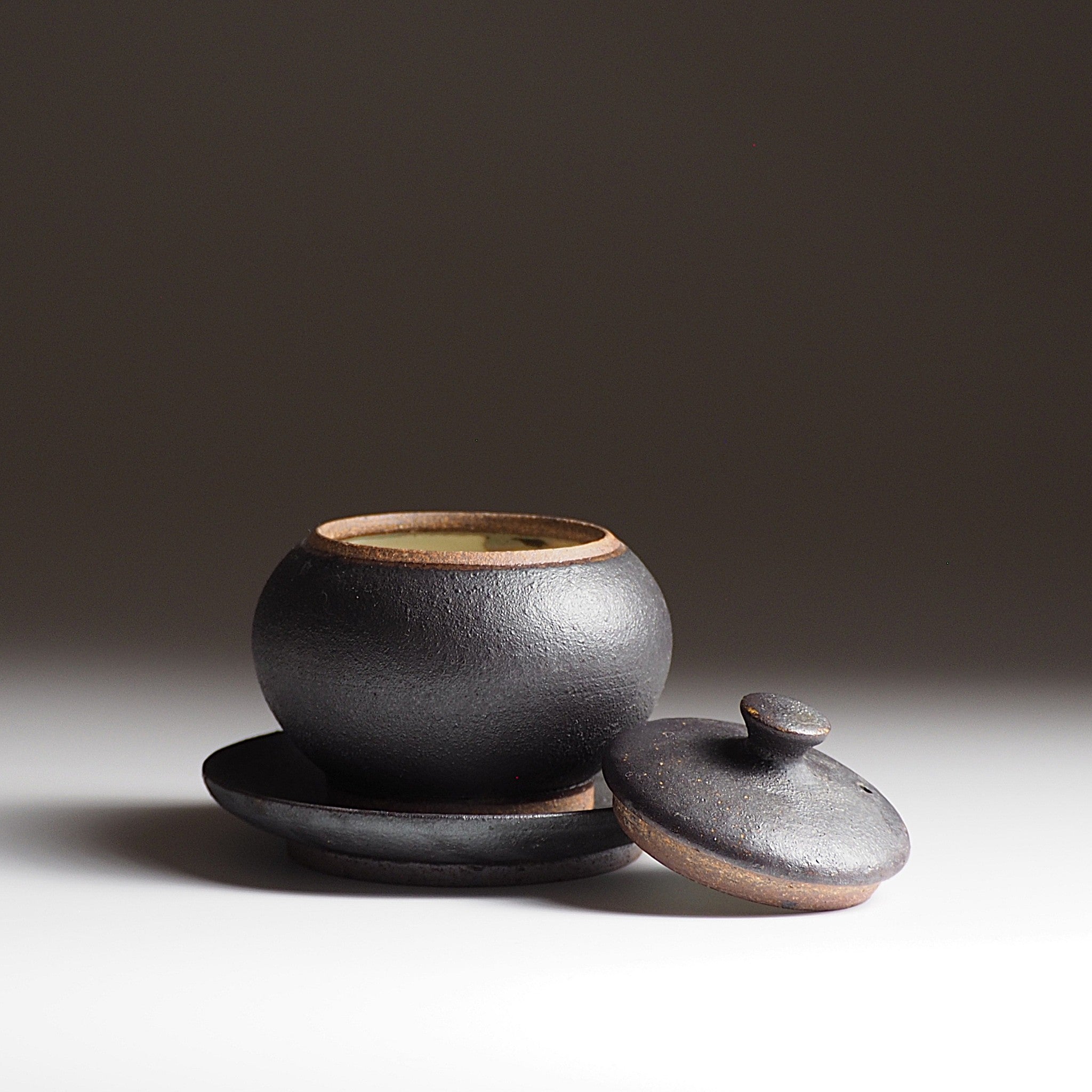
  • In the Box: 1 Handcrafted Chawanmushi Bowl + 1 Lid and 1 Saucer.
  • Material: Unglazed Pottery
  • Color Palette: Charcoal Black, Ash Gray, Warm Clay
    -
  • Ceramic Bowl Dimensions: Approx. Diameter 3.5" × Height 3.3" (90 × 85 mm)
  • Ceramic Bowl Weight: Approx. 9.1 oz (260 g)
  • Ceramic Bowl Volume: Approx. 6.8 oz (200 ml)
    -
  • Saucer Dimensions: Approx. Diameter 4.5" × Height 0.8" (115× 20 mm)
  • Saucer Weight: Approx. 4.6 oz (130 g)

Exclusivity Note: Each Chawanmushi Bowl is made by hand. Slight variations in shape, texture, and color are natural and reflect the unique character of unglazed pottery.


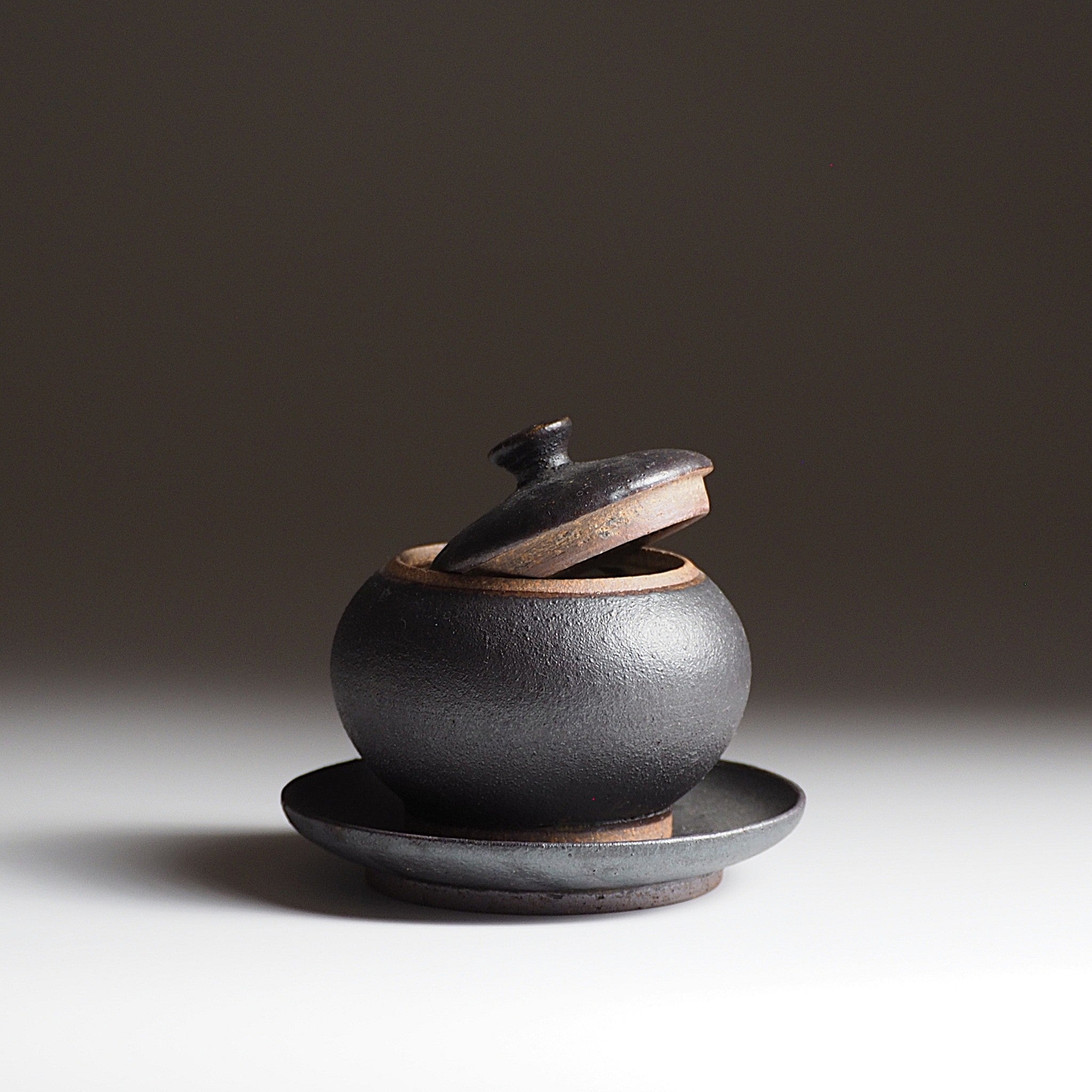
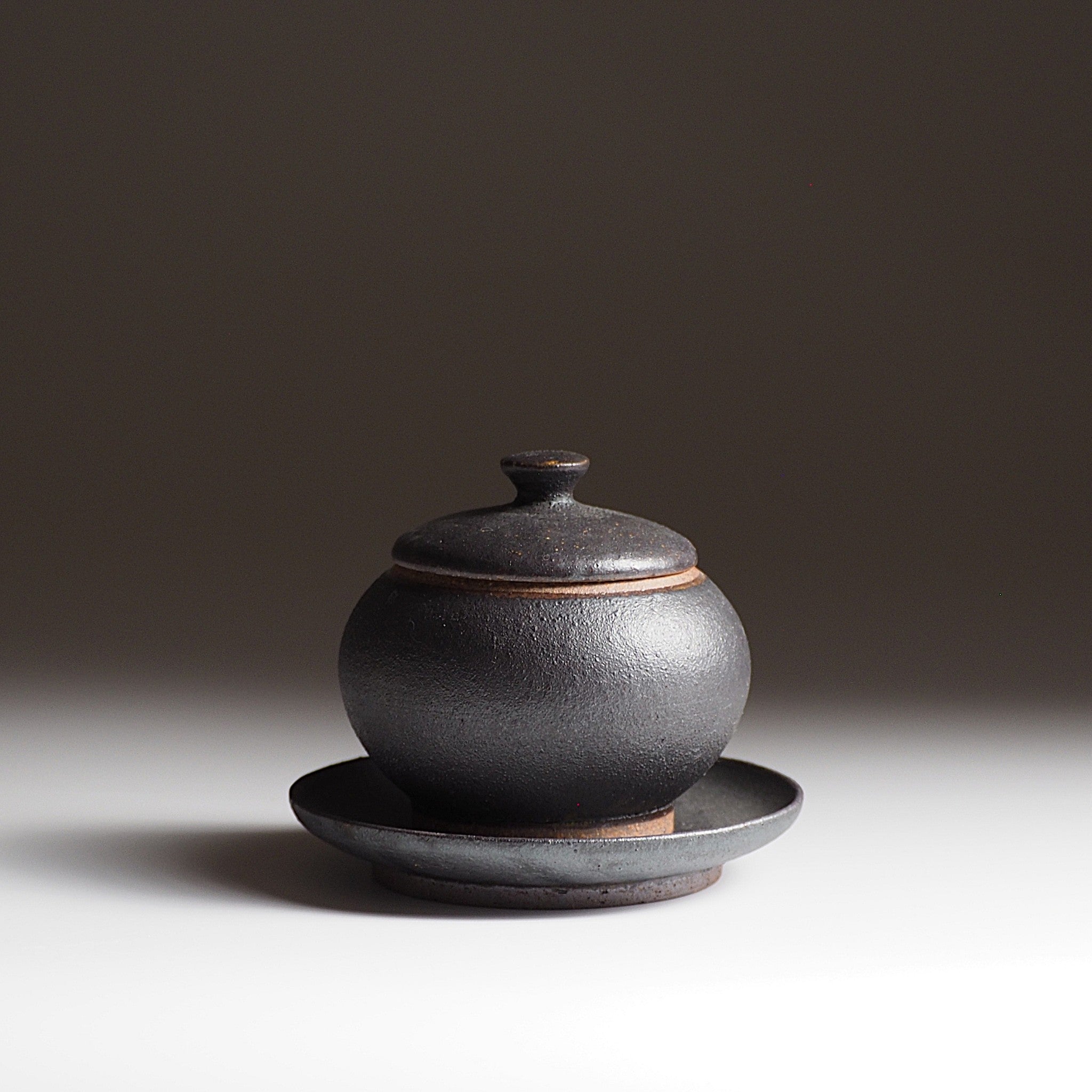
Matte-black and quietly tactile, the Kokutama bowl feels unmistakably hand-thrown the moment you lift the lid.

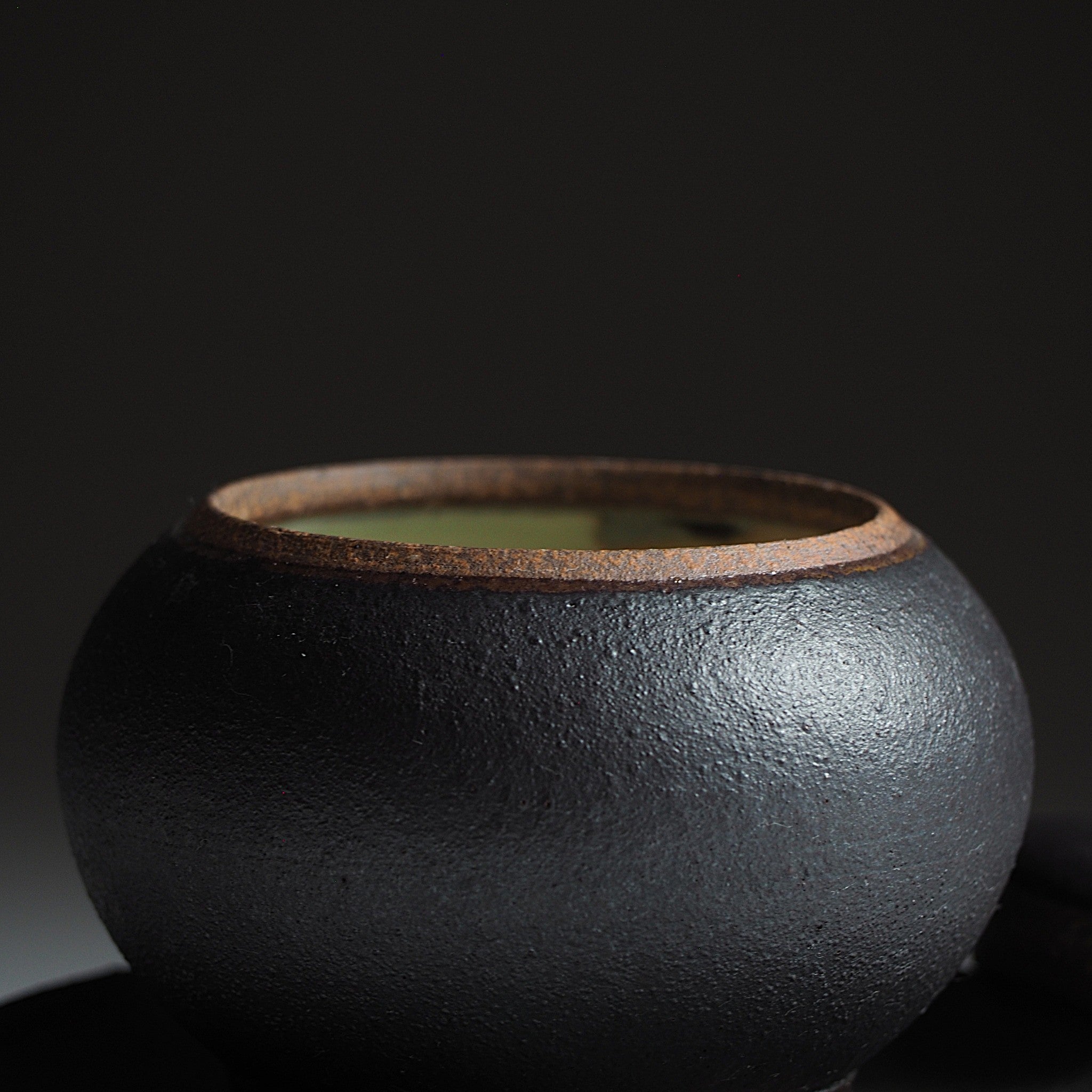
Master potter Yamamoto Yoshinori shapes the clay and fires it to a deep black finish, leaving it finished without glaze so the fine grain and warm clay line at the rim stay visible.

The lidded chawanmushi bowl and saucer sit stable on the table, holding heat and aroma for chawanmushi, clear dashi soups, savory custards, or small steamed egg dishes.

It is the kind of Japanese tableware that earns a place in daily cooking, then looks natural on an open shelf.

Japanese pottery artist, Kazuma Yamamoto in a black and white image, Tsukushi

The Artist

Kazuma Yamamoto

  • Location: Kusatsu, Shiga Prefecture, Japan
  • Technique: Kusatsu Ware
  • Tradition: Sue ware / Shigaraki ware

Kazuma Yamamoto continues his father Yoshinori's mission at the Ohmi Ceramics Research Institute: reviving Kusatsu-yaki, a regional tradition that had nearly disappeared.

Drawing on the ancient spirit of Sue ware, Kazuma fires each piece slowly, coaxing the clay's natural tones into a deep, smoldering black. Rather than glaze, he uses a mud drawn from the shores of Lake Biwa, which melts at roughly 1,100°C (far below the usual 1,250°C) giving his work its distinctive texture and depth.

Through patient, hands-on craftsmanship, Kazuma keeps a fading regional technique alive, one vessel at a time.

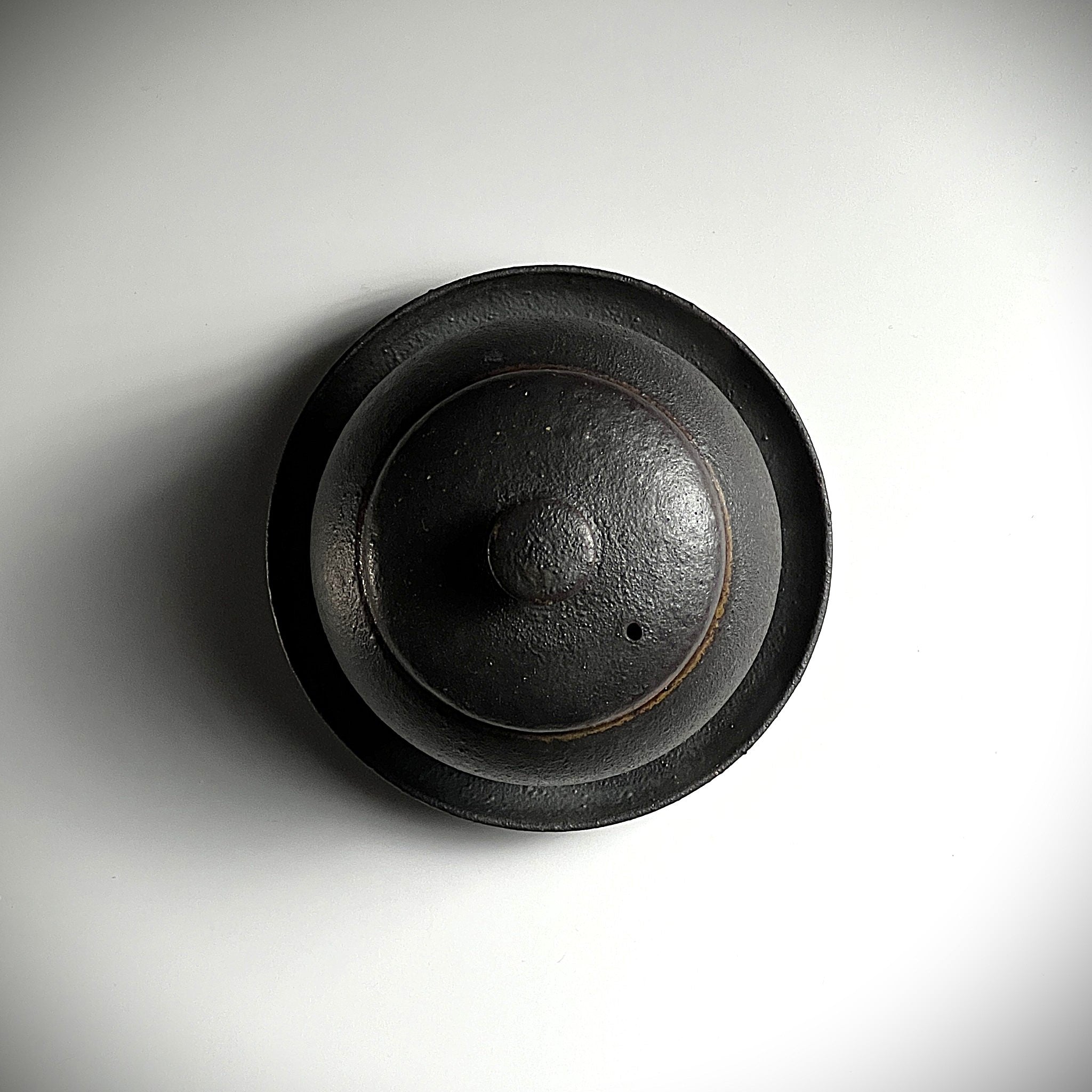
Bird’s-eye view of a black chawanmushi bowl made of unglazed pottery, set against a faded background. Tsukushi.

Nothing Like the Rest

Because Ordinary Isn’t What You’re After

You could choose a plain ceramic bowl, mass-produced, made without story or soul. Or you could choose something rare: Kokutama, a handcrafted Chawanmushi Bowl with matching lid and saucer, shaped in small batches with care and character.
This is more than tableware, it’s a quiet expression of Japanese artistry, where form, texture, and stillness come together in perfect harmony.

If you believe your home should reflect what you value, such as intention, calm, and beauty, then you already know: the details matter. Some objects disappear. Others stay with you. Kokutama is the latter.

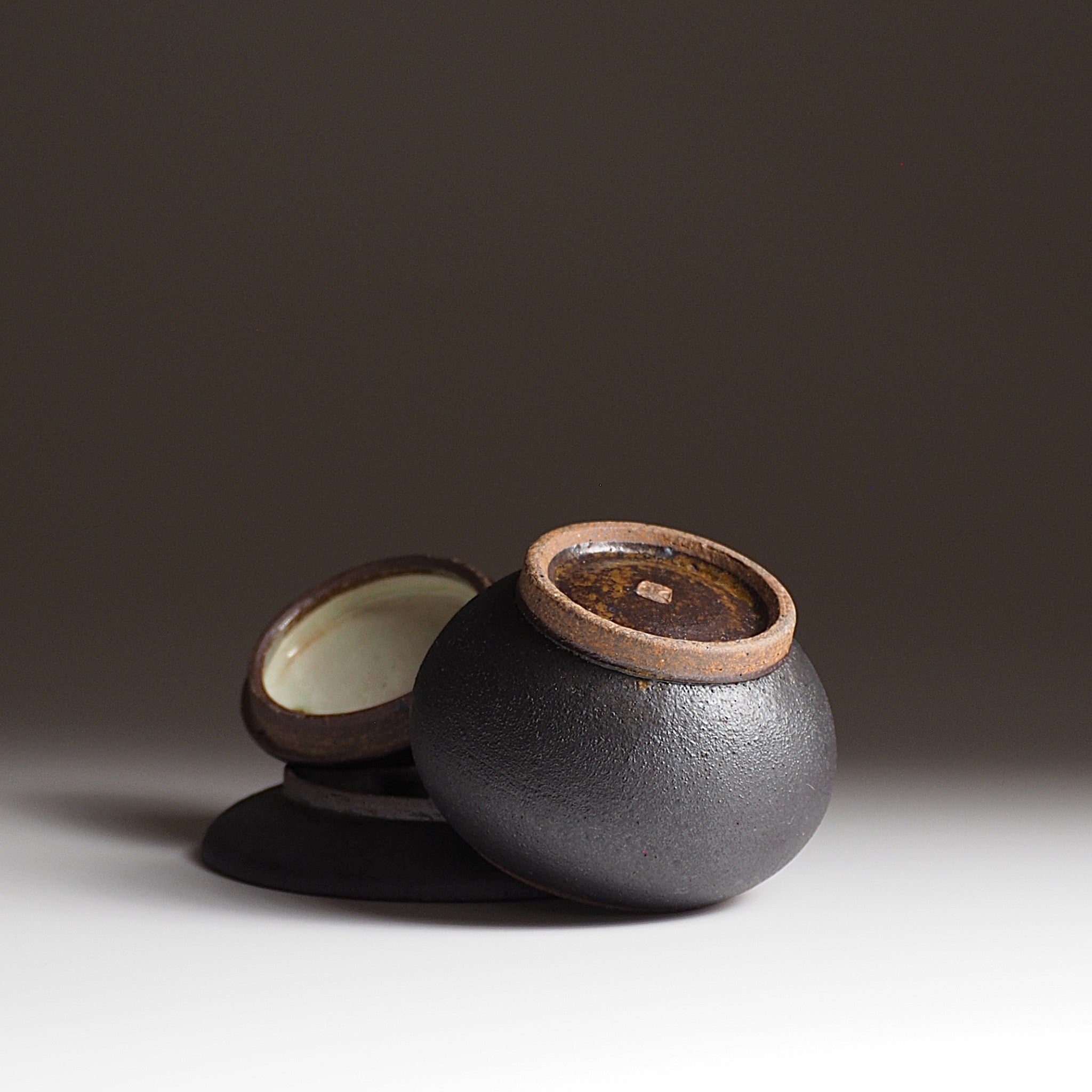
Detail of a black chawanmushi bowl in black on dark background. Tsukushi

Stillness, Designed

The Quiet Between Each Serving

Deadlines, notifications, constant motion. In the midst of it all, the Kokutama Chawanmushi Bowl offers something rare: quiet.

This ceramic cup with ceramic lid and saucer, is more than tableware, it invites presence.
Inspired by Japanese pottery traditions it encourages a slower rhythm, where each serving becomes a mindful gesture.
Unglazed and shaped by hand, Kokutama carries the essence of restraint and balance. Whether filled with warm custard, clear broth, or a delicate egg dish, it transforms the act of serving into something personal, intentional, and quietly beautiful.
The calm with which it was shaped is not lost, it flows into your hands, inviting you to slow down and savor each moment.

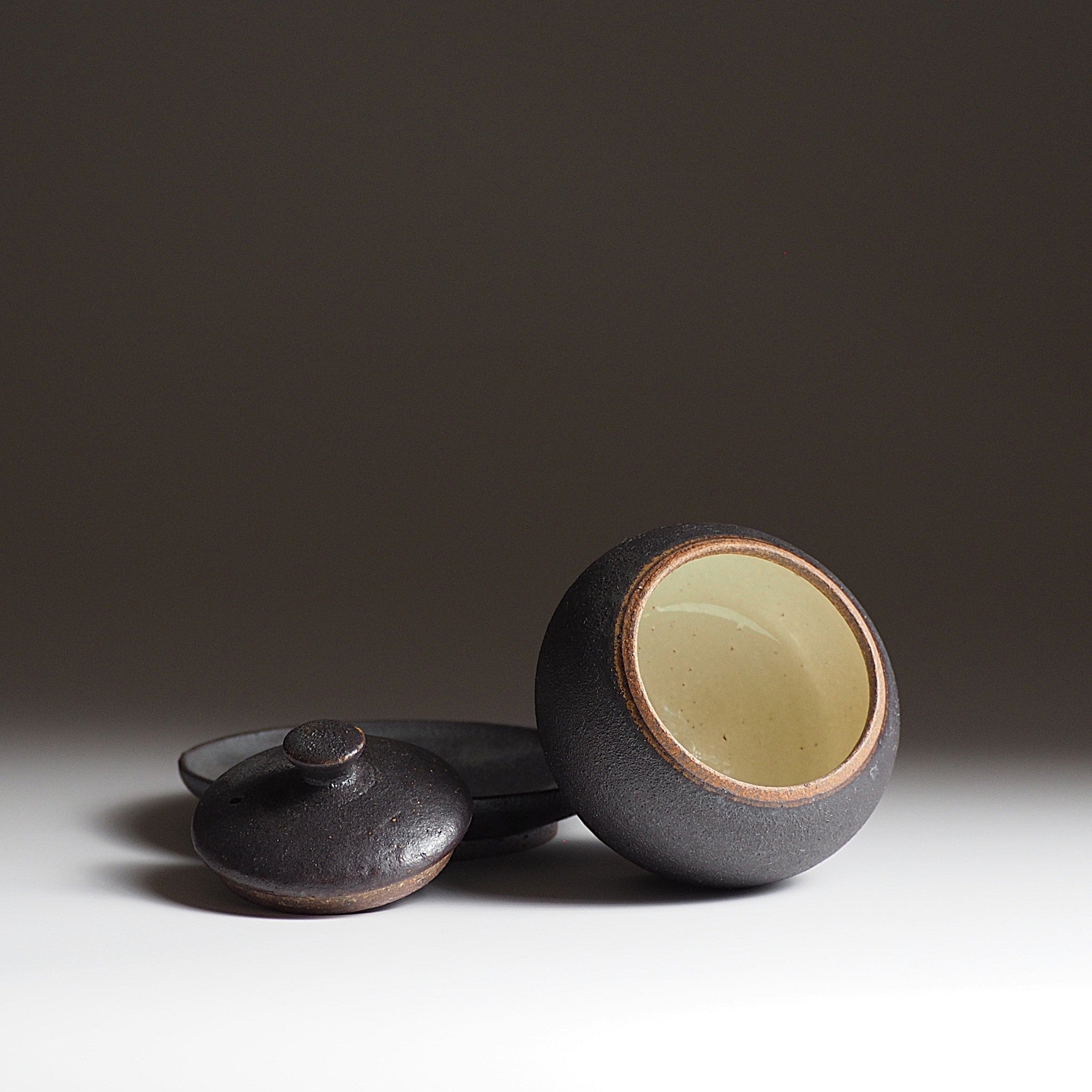
Black Japanese ceramic chawanmushi bowl with lid and saucer on faded background Tsukushi

Cultural Notes

More Than a Dish, a Tradition in Form

In Japanese cuisine, Chawanmushi (茶碗蒸し) is a delicate savory egg custard, gently steamed and served warm. The name combines 茶碗 (chawan, meaning “tea bowl”) and 蒸し (mushi, meaning “steamed”), referring both to the dish and to the vessel traditionally used to prepare it.

While Chawanmushi is the name of the dish, the chawanmushi cups used to serve it are just as important. These small, lidded containers are designed to retain heat and protect the custard’s subtle flavor and texture. A classic ceramic cup with lid adds not only function, but quiet elegance to the experience.
Kokutama draws from this tradition. Its form recalls timeless Japanese shapes, yet it is crafted with a contemporary spirit. More than tableware, it is a refined expression of how vessel and ritual come together, bringing warmth, balance, and intention to every serving.

Shelves filled with various Japanese ceramic pots and teapots in a black and white photo, Tsukushi

This black ceramic cup is shaped by hand and paired with a matching lid and saucer. Thoughtfully designed for Chawanmushi, Kokutama brings quiet presence to everyday moments, whether placed at the center of a meal or held gently between pauses.

Love the product but....

still unsure about ordering from Japan?

We get it, ordering from overseas can feel uncertain.

That’s why we treat every order with personal care, just like we’re sending it to a friend.
From careful in-house packaging to full tracking and responsive support, Tsukushi's team is here to make sure your experience feels thoughtful, safe, and smooth; from Japan to your doorstep.
You’re not just buying a product, you’re trusting us with something meaningful.
We take that seriously.

In-house Packaging

Packed by hand with multiple protective layers for a safe arrival.

Safe Shipping

100% insured & tracked door to door.
If it breaks, we handle everything.

Personal Support

A real person, always.
Fast replies, no bots, no ticket system.

Learn More About Kokutama

Chawanmushi Bowl Q&A

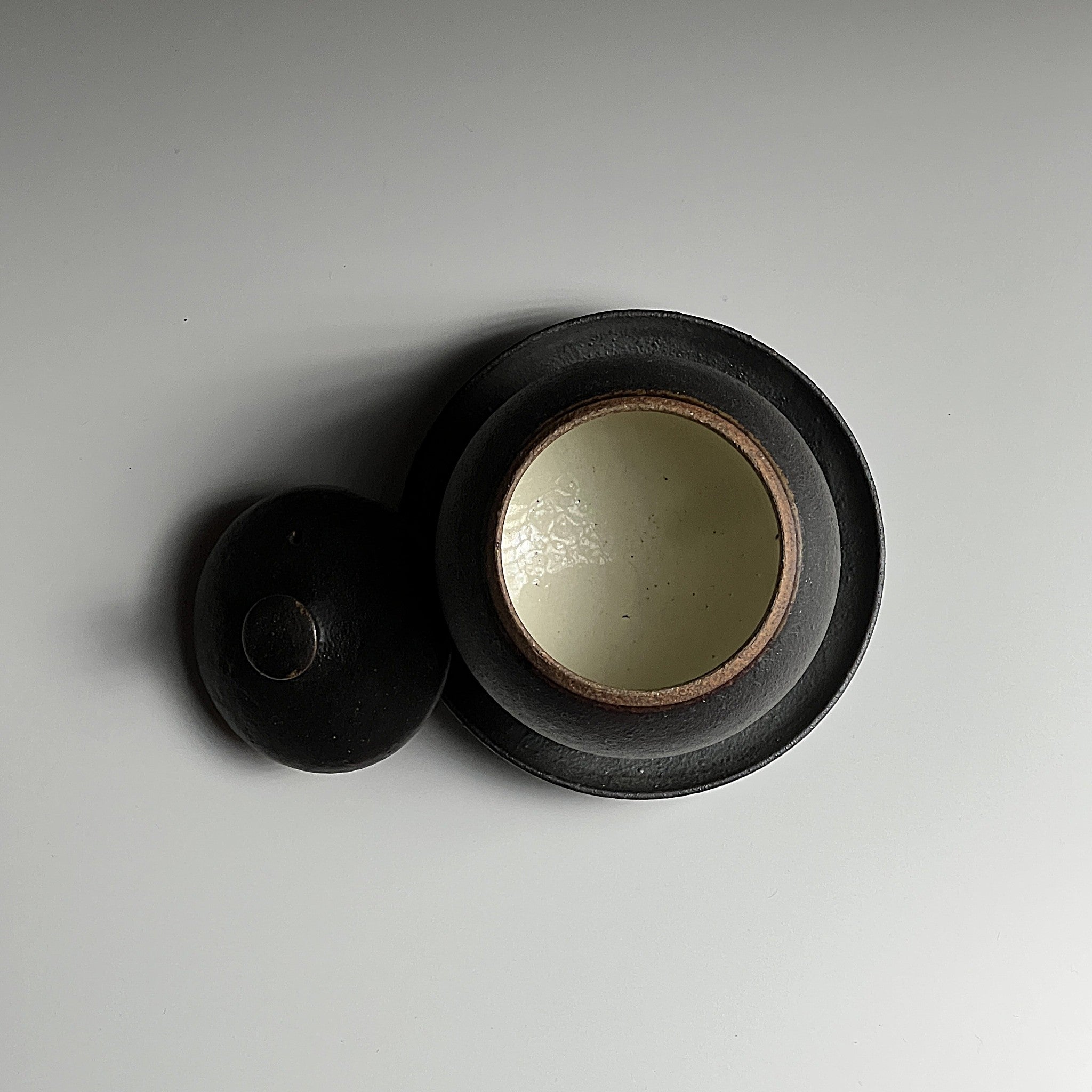
Top view of a Japanese Pottery Black chawanmushi bowl with lid and saucer. Tsukushi
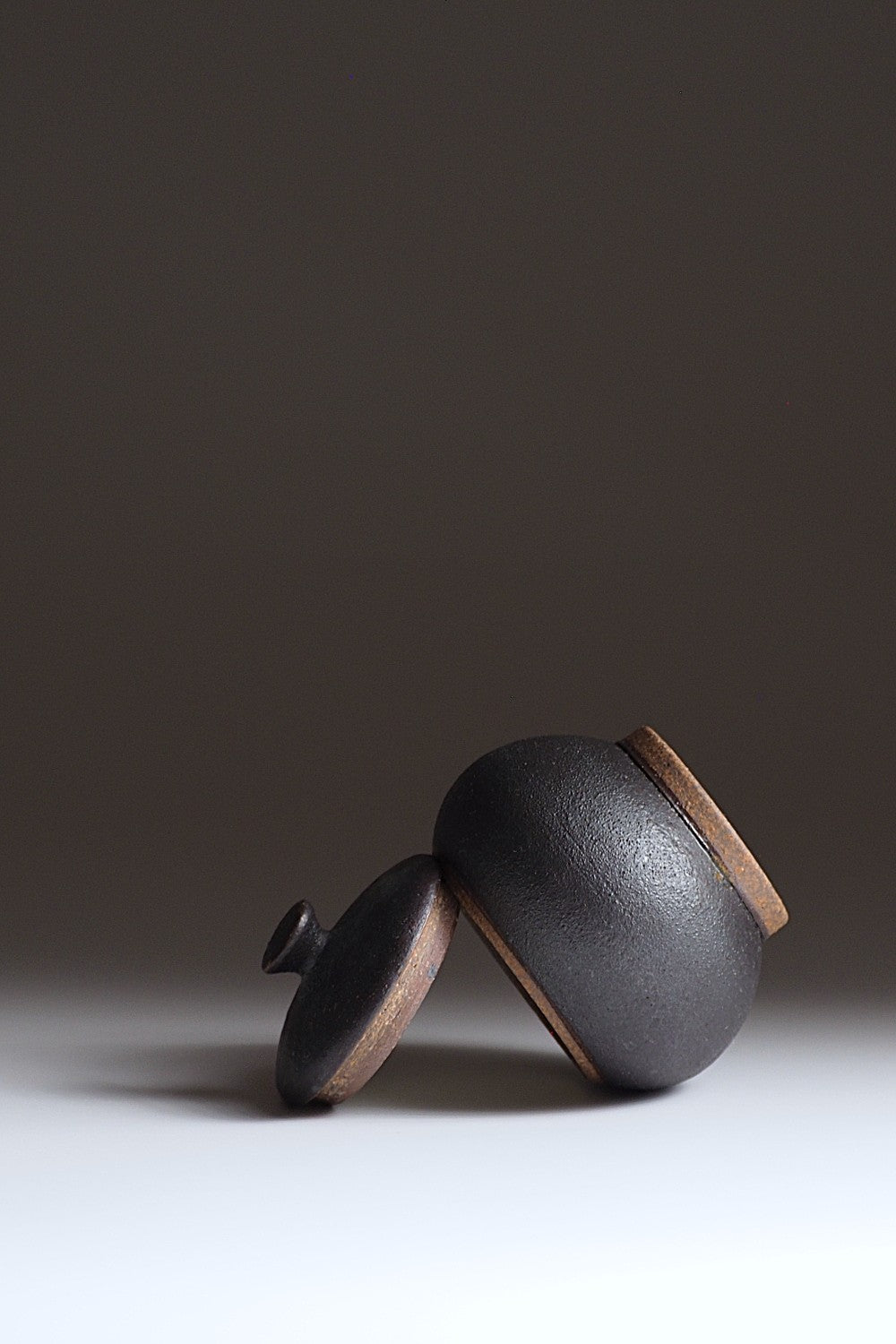
Artistic picture of a black chawanmushi bowl and lid in equilibrium on a faded background. Tsukushi

Featured Focus

Kokutama: Black, Still, and Full of Meaning

The name Kokutama (黒玉) is made of two kanji: 黒 (koku, black) and 玉 (tama, jewel or sphere). Together, they form an image of quiet strength, something small, dark, and centered, like a polished stone resting in the palm.

In Japanese culture, 黒 (koku, black) represents elegance, depth, and subtlety. It absorbs rather than reflects, drawing attention inward. 玉 (tama) is often used to describe objects of purity and perfection, like pearls or sacred stones. When joined, these characters evoke calm presence: a humble form holding quiet energy.

Kokutama is more than a name, it’s an invitation to notice stillness, to feel the weight of form and to appreciate the hidden strength in restraint.