

Journal
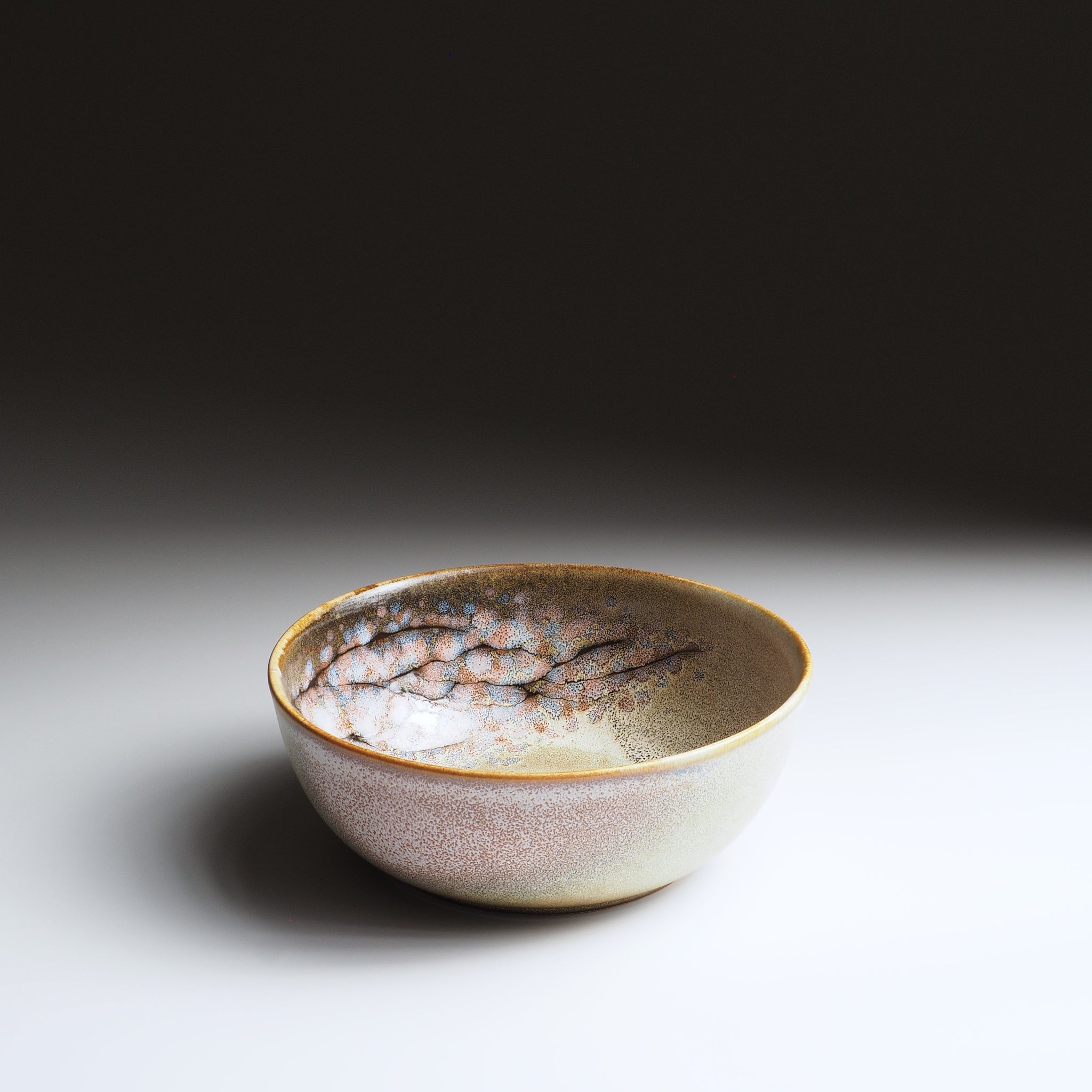
Shigaraki Pottery: The Clay and Craft of a Japanese Pottery Town
Explore Shigaraki pottery through its history, ancient clay and wood-fired surfaces, with insights from our visits to local artisans.
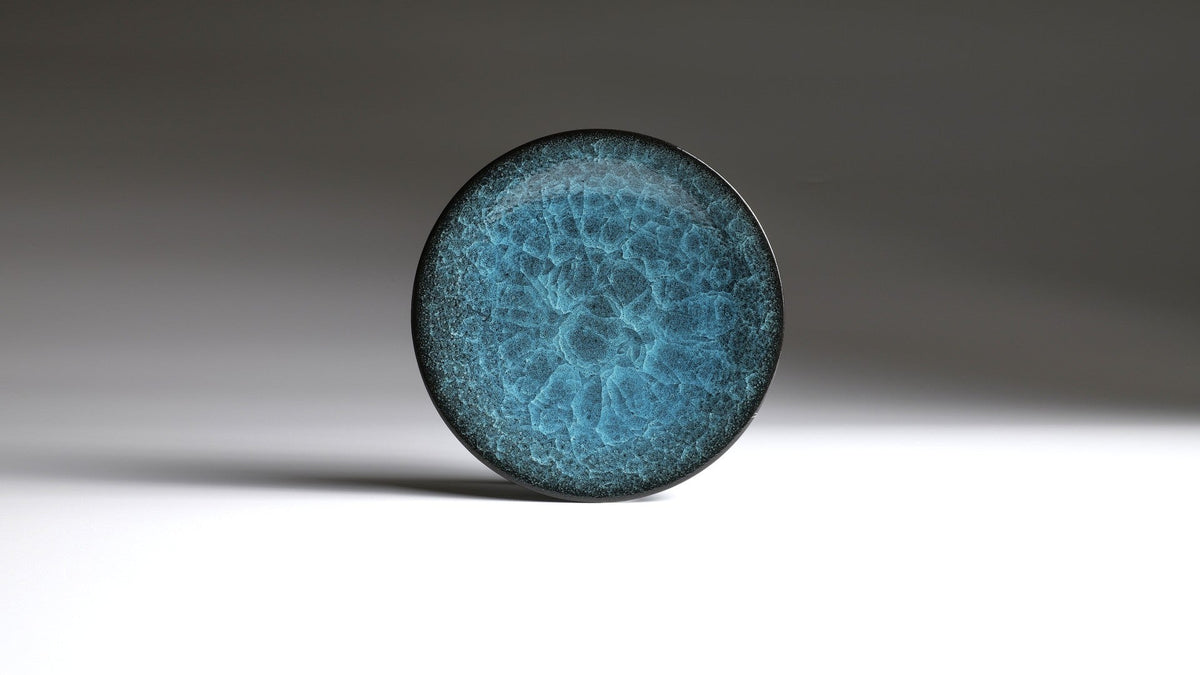
Kannyū (貫入): The Fine Lines of Japanese Crackle Glaze
Explore the science and quiet beauty of kannyū: how fine crackle networks form in Japanese ceramic glazes to create unrepeatable surfaces.
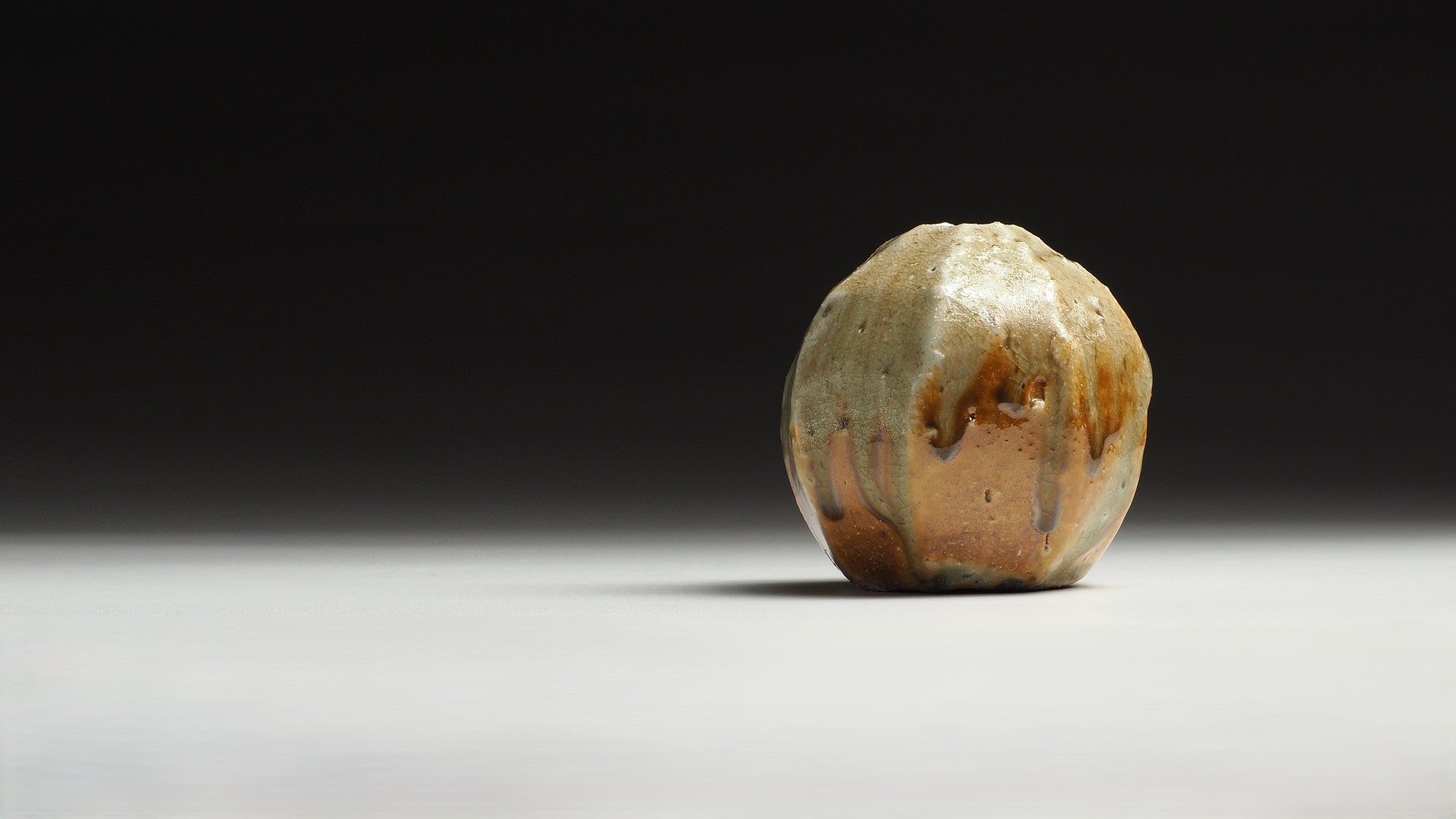
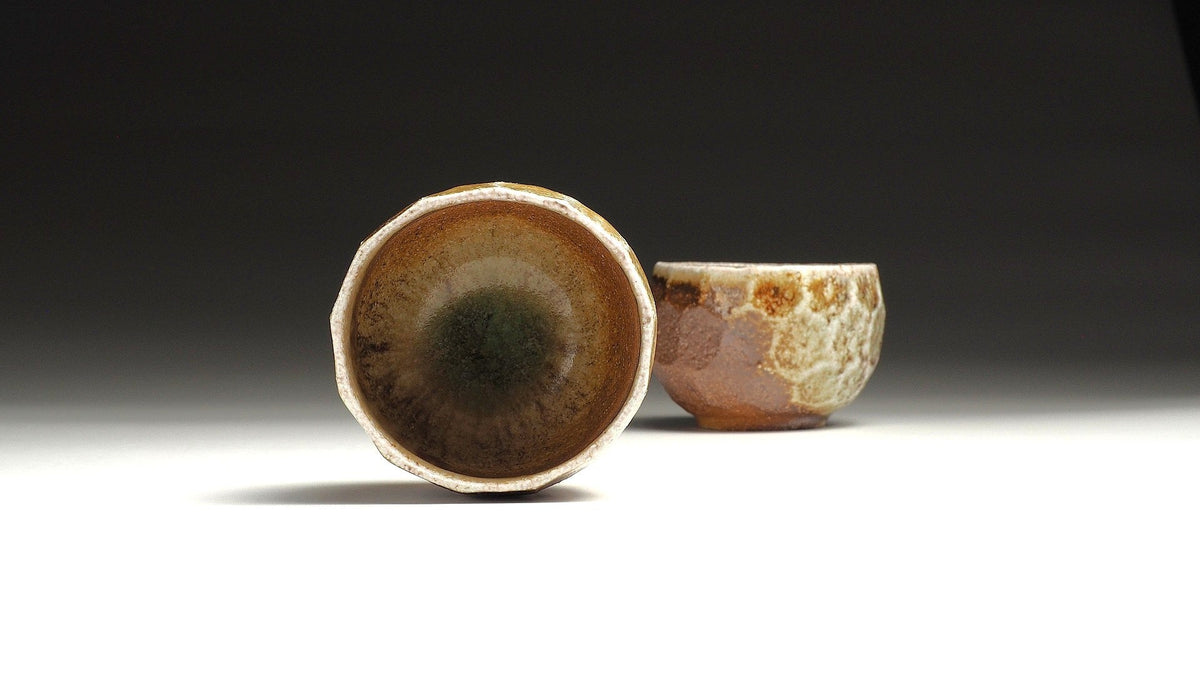
Yakishime Pottery: How Clay, Fire and Natural Ash Shape Japanese Ceramics
Natural glaze, wood-fired, and shaped as much by the kiln as by the potter: how yakishime turns clay, flame and ash into a finished ceramic surface.
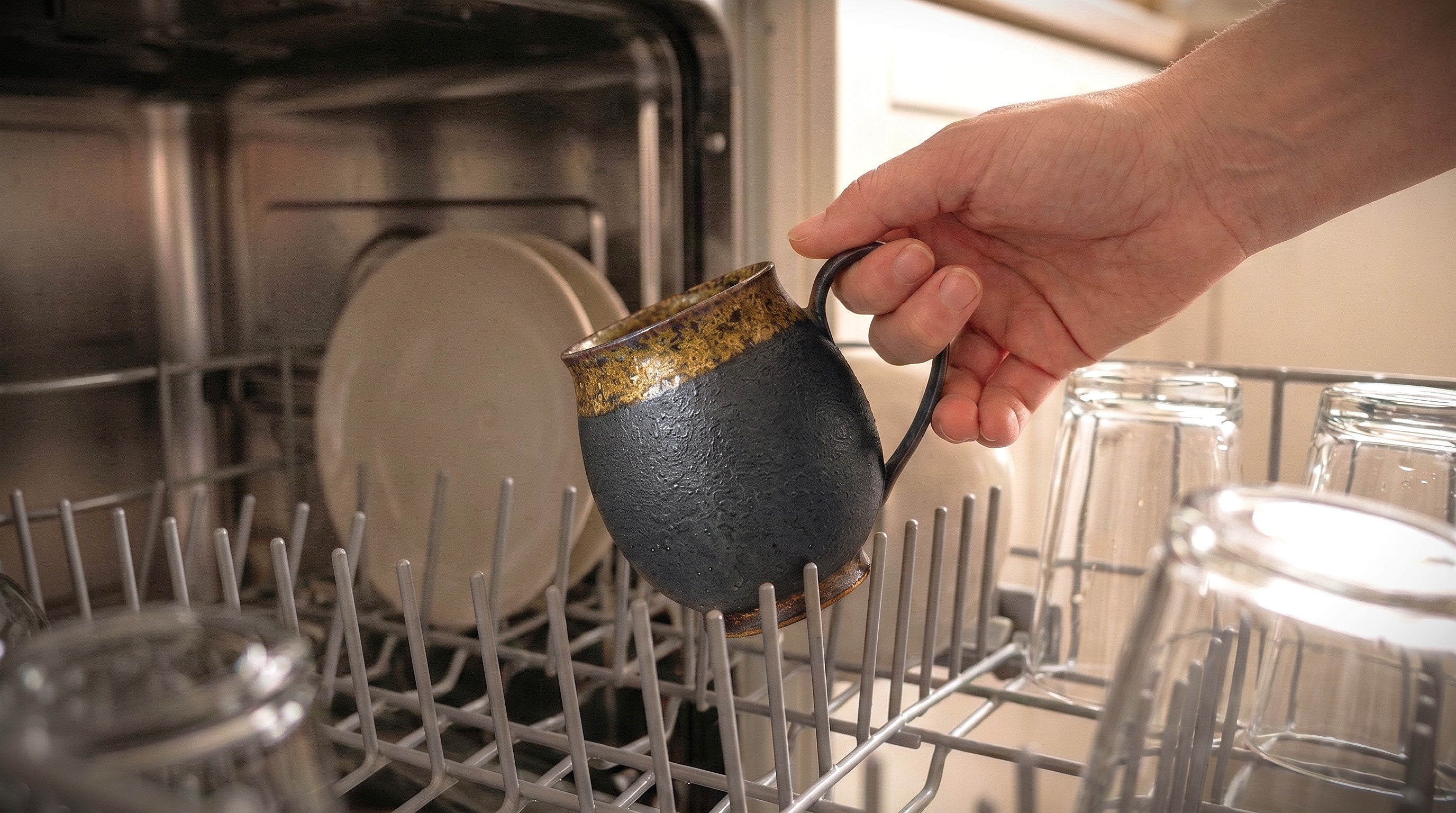
Can Japanese Pottery Go in the Dishwasher or Microwave?
Learn when Japanese pottery is microwave- or dishwasher-safe, what affects compatibility, and when hand washing is the better choice.
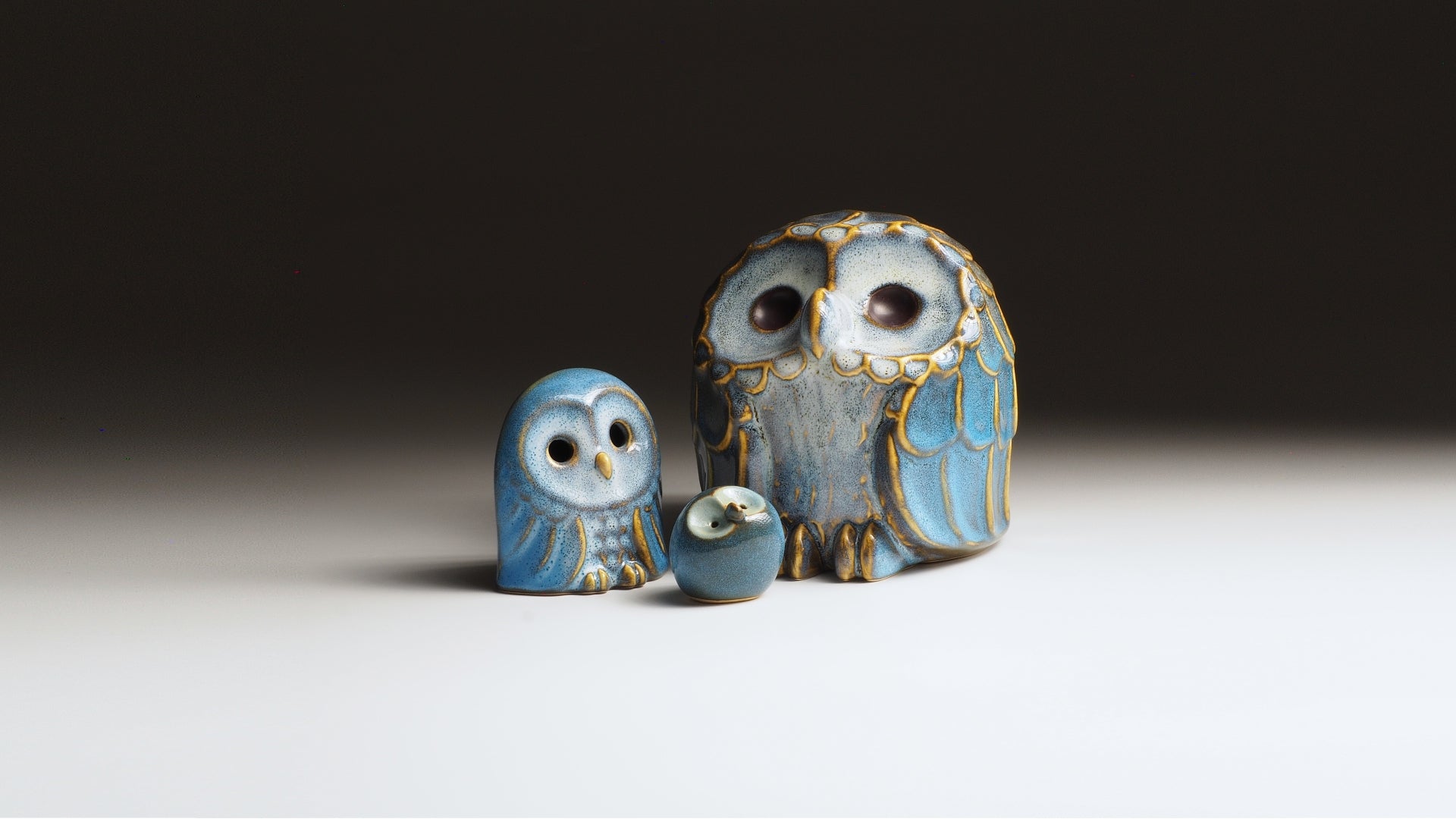
The Owl as a Lucky Charm in Japanese Culture: Symbolism, History, and Ceramics
From prehistoric talismans to masterfully crafted ceramics, explore the fascinating history, hidden wordplay, and deep symbolism of the Japanese owl.
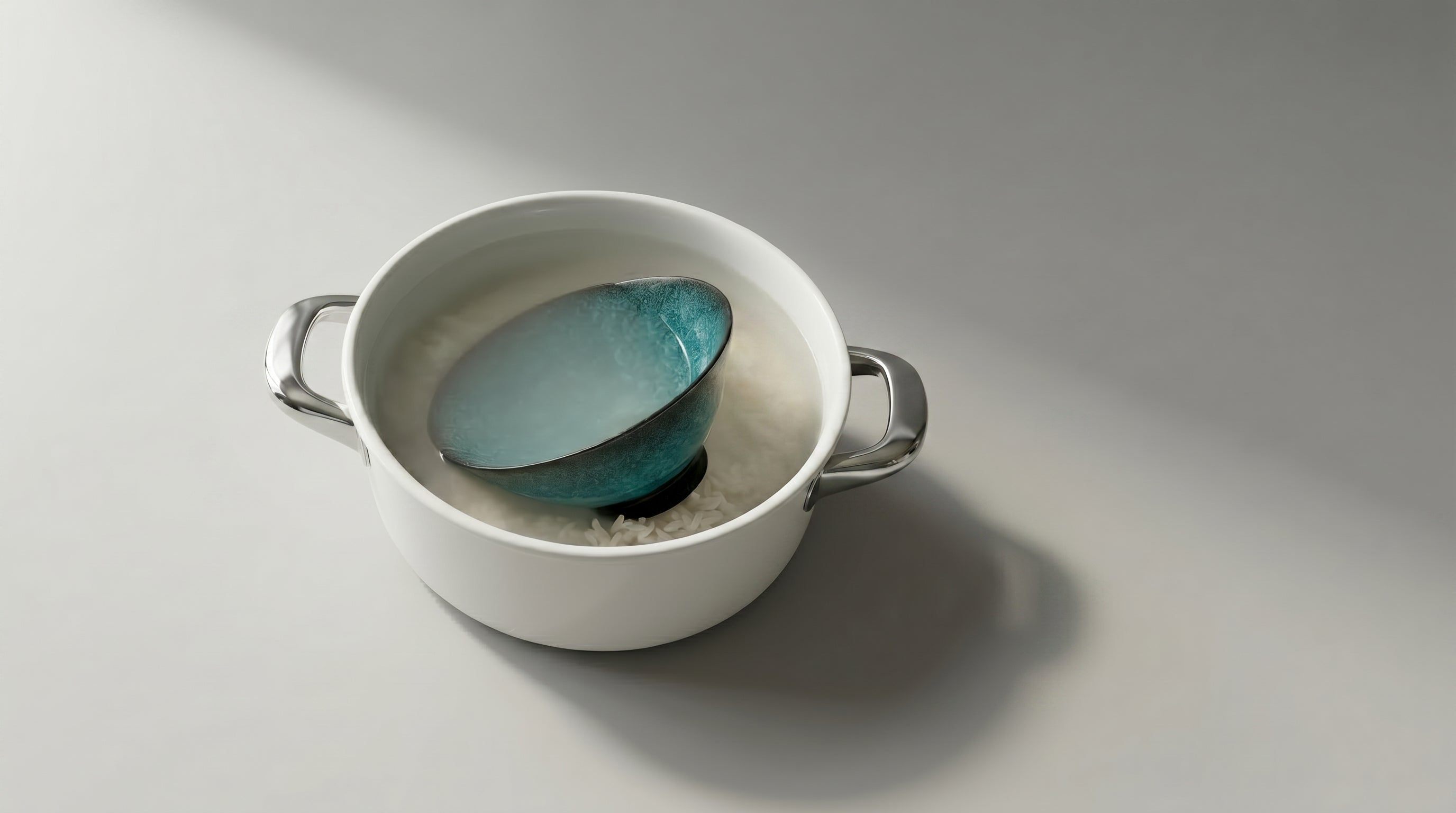
Japanese Pottery Care Guide: What Is Medome and Why Your Ceramics Might Need It
A master-backed guide to medome (目止め), the traditional Japanese process of sealing unglazed pottery pores to prevent stains, mold, and food odors.

Japanese Cutting Board Wood Grain: Masame vs. Itame Explained
Choosing a Japanese manaita starts with grain direction. Discover why Masame is the professional standard for stability and superior knife care.
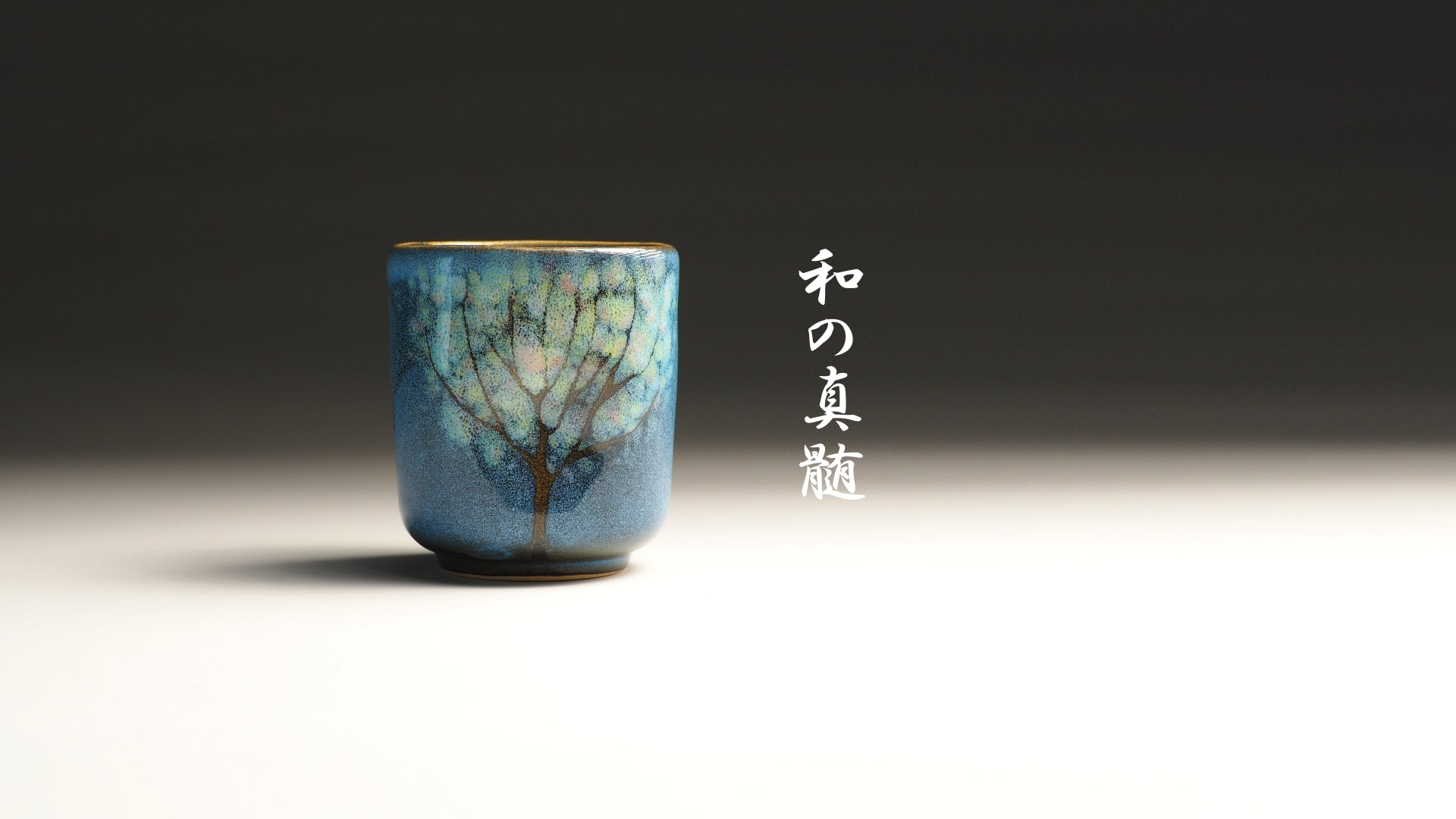
Japanese Tea Cups Made in Japan: How to Recognize Authentic Handmade Yunomi
Many teacups claim to be Japanese. Few are actually made in Japan. A practical guide to recognizing the difference before you buy.
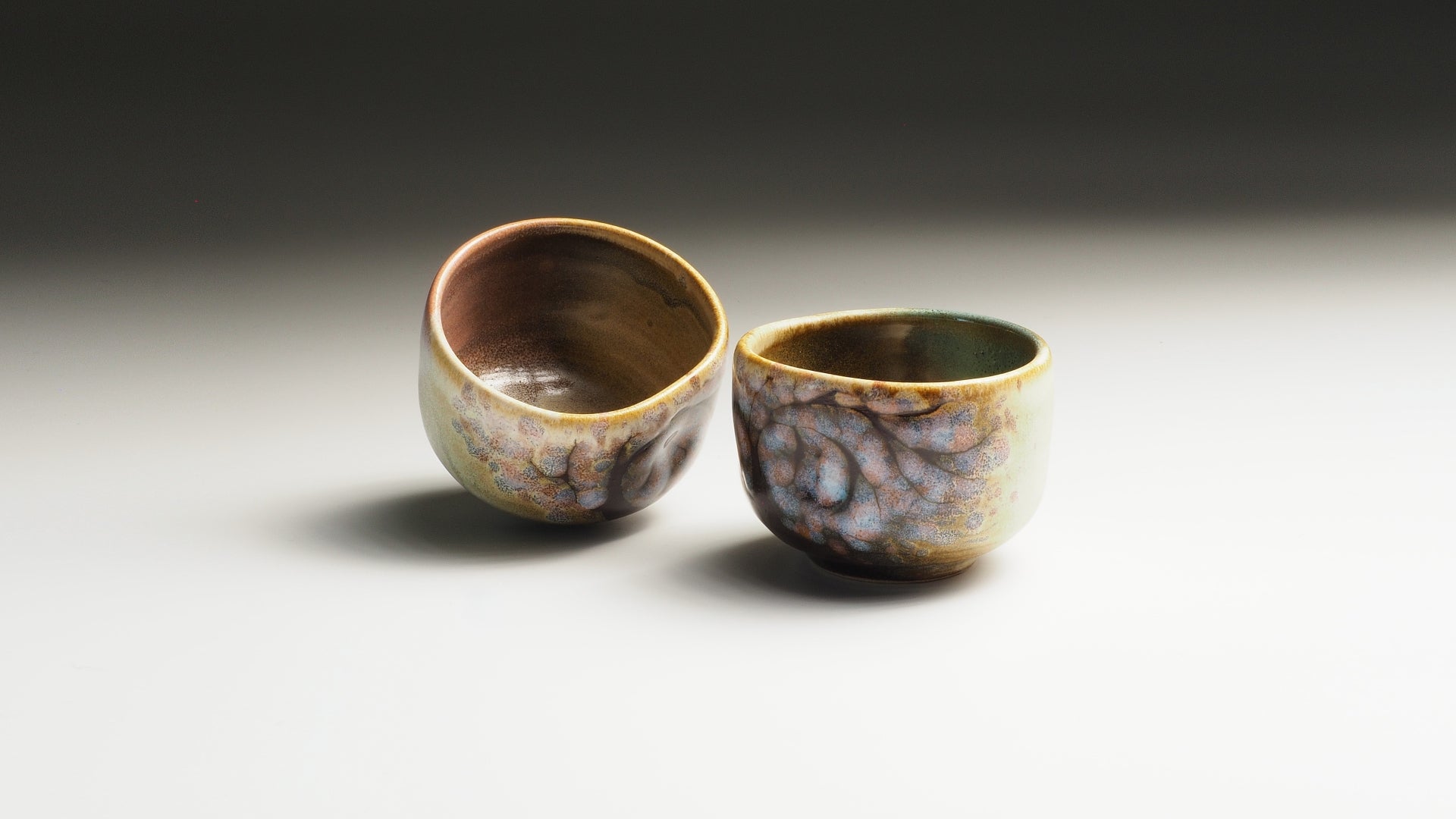
How to Choose the Perfect Japanese Cup: A Complete Guide
From yunomi to espresso cups, this guide covers every Japanese ceramic cup style, size, and material to help you choose with confidence.
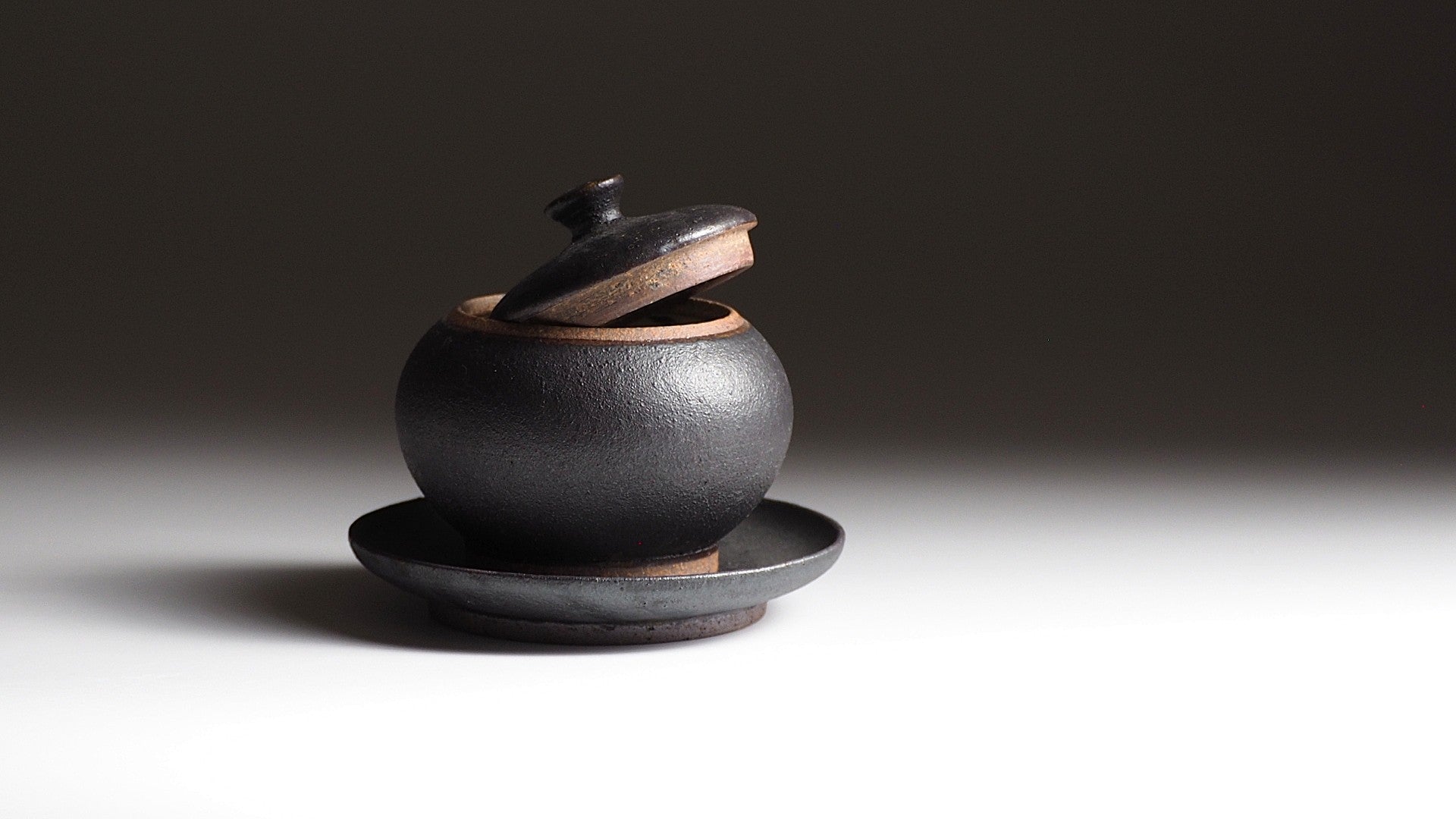
Haptic Wellness: The Power of Matte and Tactile Japanese Ceramics
Recalibrate with Haptic Wellness. Discover how tactile Japanese ceramics and matte Yakishime provide the sensory grounding needed for the digital age.

Warm Minimalism: Spring Tablescapes with Japanese Pottery
Discover the 2026 shift toward Warm Minimalism. Learn to use handcrafted Japanese pottery and seasonal spring motifs to create a calm, intentional home.
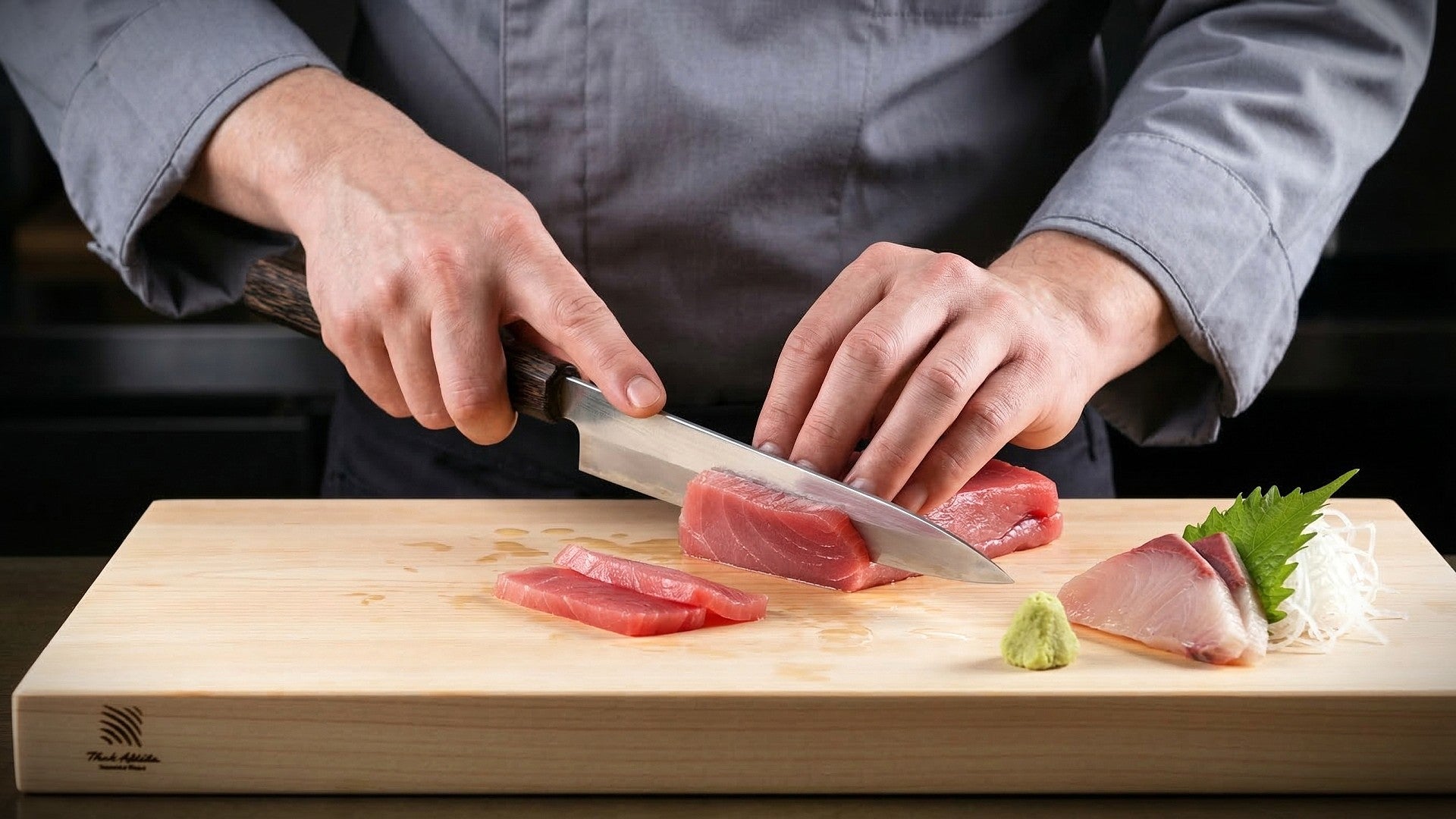
Why Hinoki Manaita is One of the Best Cutting Boards for Japanese Knives
Discover why hinoki manaita stands out as a Japanese cutting board for fine knives, precise prep, and practical daily kitchen use.