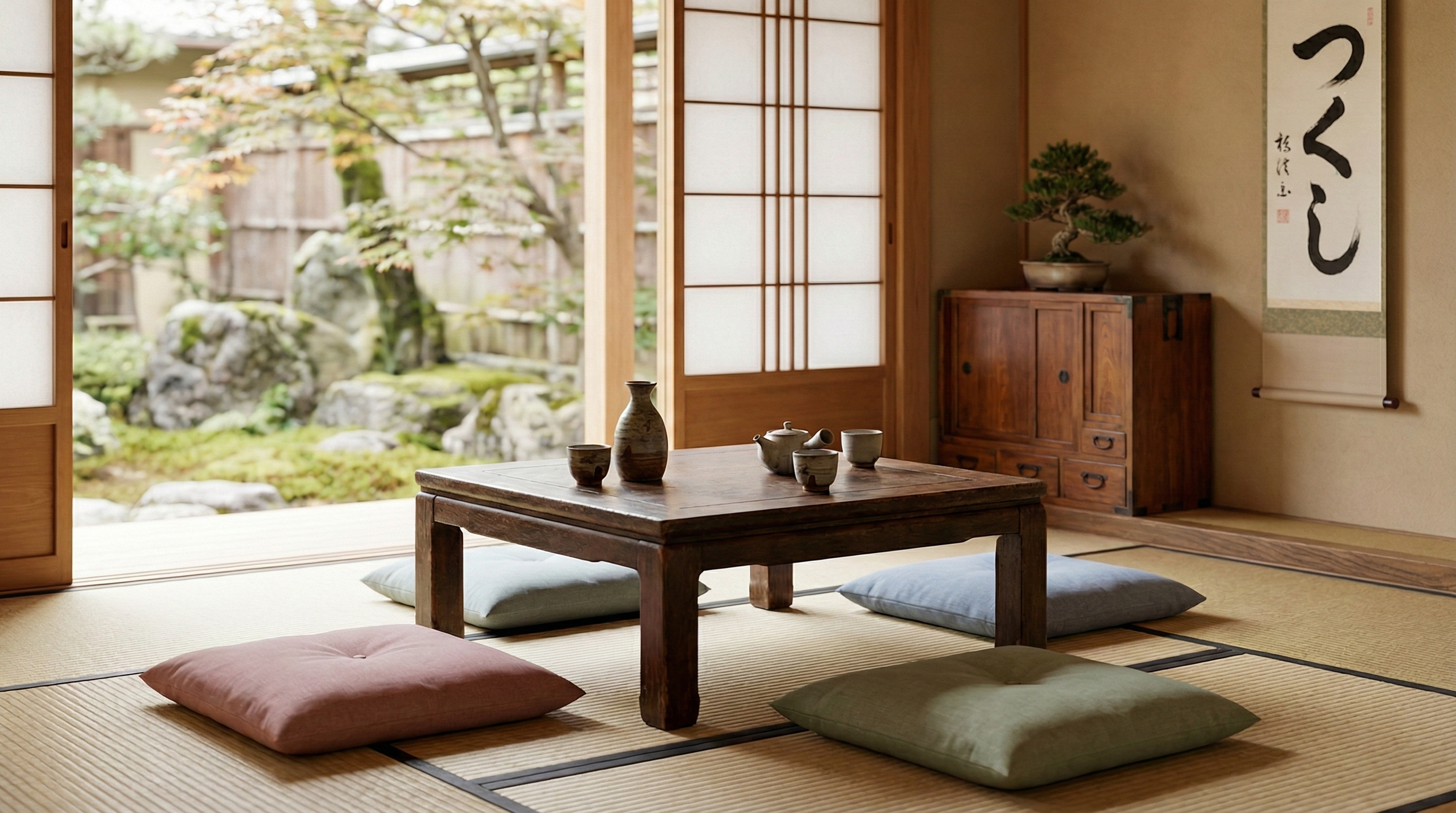


Why Japanese Teacups Are Gaining Global Attention
There is a quiet revolution happening in kitchens and coffee tables across the world. It isn’t loud or flashy; in fact, it is defined by the exact opposite.
As the world speeds up, we are collectively reaching for things that invite us to slow down. This shift has placed the humble Japanese tea cup squarely in the global spotlight.
It is no longer just about the drink itself (though the current explosion of interest in matcha is undeniable), it’s about the vessel.
From the rugged, earthy texture of a chawan bowl to the refined simplicity of a yunomi tea cup, these pieces are captivating an international audience that is hungry for authenticity. They represent a tactile connection to history, nature, and a level of craftsmanship that feels increasingly rare in our mass-produced world.

Elegant Japanese Yunomi teacups from Usurai Pottery with a refined ceramic glaze, showcasing the timeless simplicity and artistry of traditional Japanese design.
The Global Shift Toward Mindful Rituals
The rise in popularity of Japanese teaware isn’t an accident. It tracks perfectly with a broader movement in the West toward wellness and mindfulness.
For example, there has been a marked rise in Americans creating “sanctuary spaces” at home; areas meant for calm, reflection, and escape from daily stress.
The trend reflects a broader shift toward well-being and intentional living, now spreading across Europe and Australia.
In general we are seeing a move away from quick, disposable consumption toward deliberate rituals.
For many, preparing tea (especially matcha) has evolved into a form of modern meditation.
It is a process that refuses to be rushed, demanding a quiet patience and presence of mind. This shift explains the rising interest in the traditional matcha tea set, able to transform a quick caffeine fix into a grounding ceremony.
Enthusiasts are discovering that the act of whisking matcha requires something different.
To truly honor this specific ritual, tools like a delicate bamboo whisk (茶筅, chasen), a precise scoop, and most critically, the wide, open form of a chawan tea bowl are essential.
This trend has fueled a demand for the chawan for matcha, not just as a table utensil, but as a piece of functional art.
Western consumers are learning what Japanese tea masters have known for centuries: the bowl you drink from changes the taste, the aroma, and the feeling of the tea.

Matcha bowl and bamboo chasen, symbols of the growing global fascination with the art of matcha preparation.
Japanese Tea Cup Design: Why No Handles?
One of the first things a newcomer notices is the design difference. While modern ceramics have adapted to global preferences, evolving into the handle-equipped Japanese mug found in many homes today, the classic Japanese cup, specifically the yunomi (湯吞), remains distinct because it lacks one.
Indeed, the traditional Japanese tea cup design often confuses the uninitiated. In the West, we are accustomed to handles that separate us from the heat. In traditional Japanese culture, that separation is removed on purpose, or rather, it simply never existed.
The design of a yunomi tea cup or a chawan bowl invites you to hold the vessel with both hands. This creates a direct sensory connection.
You feel the warmth of the tea transferring into your palms, signaling you to pay attention.
It forces you to gauge the temperature — Japanese green tea is traditionally brewed at 60°C–80°C (140°F–175°F), warm but not scalding — making this tactile feedback loop a subtle but profound part of the experience.
The Distinction Between Yunomi and Chawan
While many might group them all under "teacups," there is a distinct difference between the everyday cup and the ceremonial bowl.
A Japanese yunomi tea cup is often tall and cylindrical and can be considered the daily workhorse of Japanese tea culture.
You will find yunomi tea cups in sushi restaurants and family homes alike. They are designed for leaf teas like Sencha or Hojicha.
Because they are often used for casual drinking, a yunomi teacup set makes for a practical entry point for someone looking to upgrade their tableware.

A pair of Japanese Yunomi teacups by Nunobiki Pottery, showcasing the traditional handleless design and timeless craftsmanship.
In contrast, the chawan (matchawan) vessel is wider, shallower, and more open.
This shape is essential for whisking matcha powder into a frothy suspension without hitting the sides.
A chawan bowl is often the star of the show, showcasing intricate glazes and uneven, "wabi-sabi" shapes that celebrate imperfection.
🍵 Cultural Note: The term Chawan (茶碗) is versatile. While it literally translates to "tea bowl," its meaning shifts based on context. In the world of tea, it specifically refers to the Matchawan (抹茶碗) used for ceremonies.
However, at the dinner table, the same word is often used for Meshi-chawan (飯碗), the bowl used for serving rice. (Chawan: Meaning and Types of Japanese Tea and Rice Bowls).
Clay, Texture, and Taste
The material matters immensely.
A high-end Japanese ceramic piece is often made from specific regional clays; like the rough, unglazed clay of Bizen (備前焼, known for its earthy, iron-like hardness) or the warm, sandy tones of Shigaraki (信楽焼).
Unlike standard porcelain which is smooth and glass-like, artisanal pottery often retains a level of porosity.
Enthusiasts swear that a high-quality matcha cup made from porous clay can actually soften the water and round out the bitterness of the tea.
Whether it’s a Japanese tea cup and saucer for a fusion style service or a rugged matcha cup set, the texture against the lip provides a sensory detail that factory-made mugs simply cannot replicate.

Close-up of a handmade Japanese Matcha Bowl crafted by master potter Taro Kojima of Nunobiki Pottery.
Elevating Your Daily Ritual: Why Authentic Teaware Matters
Choosing the right vessel is about more than just aesthetics; it is about reclaiming a moment of peace in a busy day.
Whether you are whisking powdered tea in a robust chawan bowl or sipping Sencha from a refined yunomi tea cup, the object in your hands connects you to a lineage of craftsmanship that values intention over speed.
As you explore the world of Japanese ceramics, you may have practical questions about how to recognize an authentic Japanese teacup or how to integrate these traditional pieces into your modern lifestyle.
Below, we address common queries to help you start your journey.
Japanese Teacups FAQs
What is a traditional Yunomi cup used for?
A yunomi tea cup is the tall, cylindrical vessel used for everyday loose-leaf tea like Sencha. Unlike the ceremonial chawan bowl, it is designed for casual sipping during meals or breaks.
How do yunomi tea cups differ from other Japanese teaware?
Unlike the wide, ceremonial chawan tea bowl used for whisking matcha, the yunomi tea cup is taller and cylindrical. It is the designated vessel for everyday loose-leaf tea, meant for casual sipping rather than ritual preparation.
Why do traditional Japanese cups have no handles?
The Japanese mug no handle design creates a tactile connection. It allows you to feel the tea's warmth, helping you gauge if it is the perfect temperature to drink without scalding your tongue.
What is the difference between a Chawan and a Yunomi?
A chawan is wide and shallow to allow space for a bamboo whisk to create matcha foam. A yunomi is often taller and narrower, perfect for sipping steeped tea but impossible to whisk in.
Can I drink coffee in a Japanese tea cup?
Absolutely. While designed for tea, a Japanese mug ceramic piece is versatile. Many people enjoy the sensory experience of holding a warm coffee or latte in a handcrafted stoneware cup.
How do I care for my artisanal Japanese teaware?
Hand-wash your artisanal Japanese tea cup set with warm water and mild soap.
Avoid dishwashers and sudden heat changes as can crack delicate glazes or porous clay.
What is a "Japanese tea cup and saucer" style?
Traditionally, Japanese cups use coasters (茶托, chataku). However, modern artisans now create the Japanese tea cup and saucer style to blend Western serving habits with traditional Japanese aesthetics.