



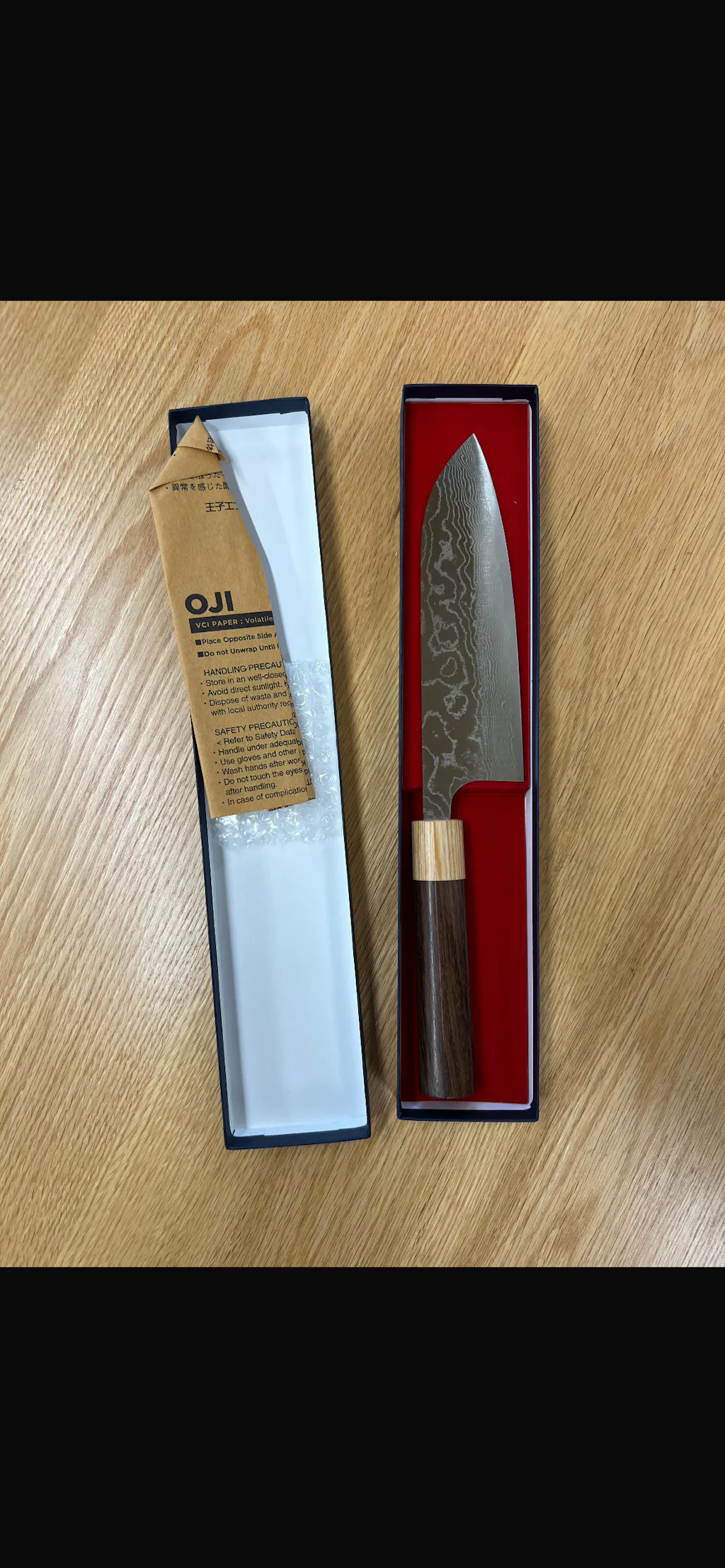
We asked the Tsukushi team for a custom sourcing service for a knife, and they helped us find exactly what we wanted.The knife arrived really quickly and was perfectly protected for the travel from Japan to Italy. The quality is great, and the details are insane. Really recommended!
Dear Matilde,
Thank you for your kind review!
We are thrilled to hear that you are satisfied with the quality and shipment of your knife. We are happy to have been able to custom source it to meet your needs. Your satisfaction is our top priority.
Thank you for recommending us!
Have a great day.
The Tsukushi team
Imballaggio perfetto oltre alle aspettative, servizio eccezionale, prodotto top fuori categoria
Dear Giovanni,
Thanks for your review! It was a pleasure to assist you with sourcing your knife. Regarding the packaging, yes, we go the extra mile to ensure our clients receive their products in the best condition possible.
Wish you a great day.
The Tsukushi Team
TSUKUSHI
Delightful experience with clear perspective with ordering products online. Website is clean and accurate. Quality of packaging was fabulous. Shipping was direct with communication of delivery on time.
Thank you.
Respectfully,
Nicole D. Apperley
Dear Ms. D. Apperley,
Thank you for taking the time to share your experience with Tsukushi.
We are glad to hear that our website was user-friendly and that you were satisfied with the quality of packaging and timely delivery.
Your kind words mean a lot to us.
We appreciate your support and hope to continue providing you with authentic Japanese crafts and services in the future.
Thank you again for choosing our shop.
Sincerely,
The Tsukushi team
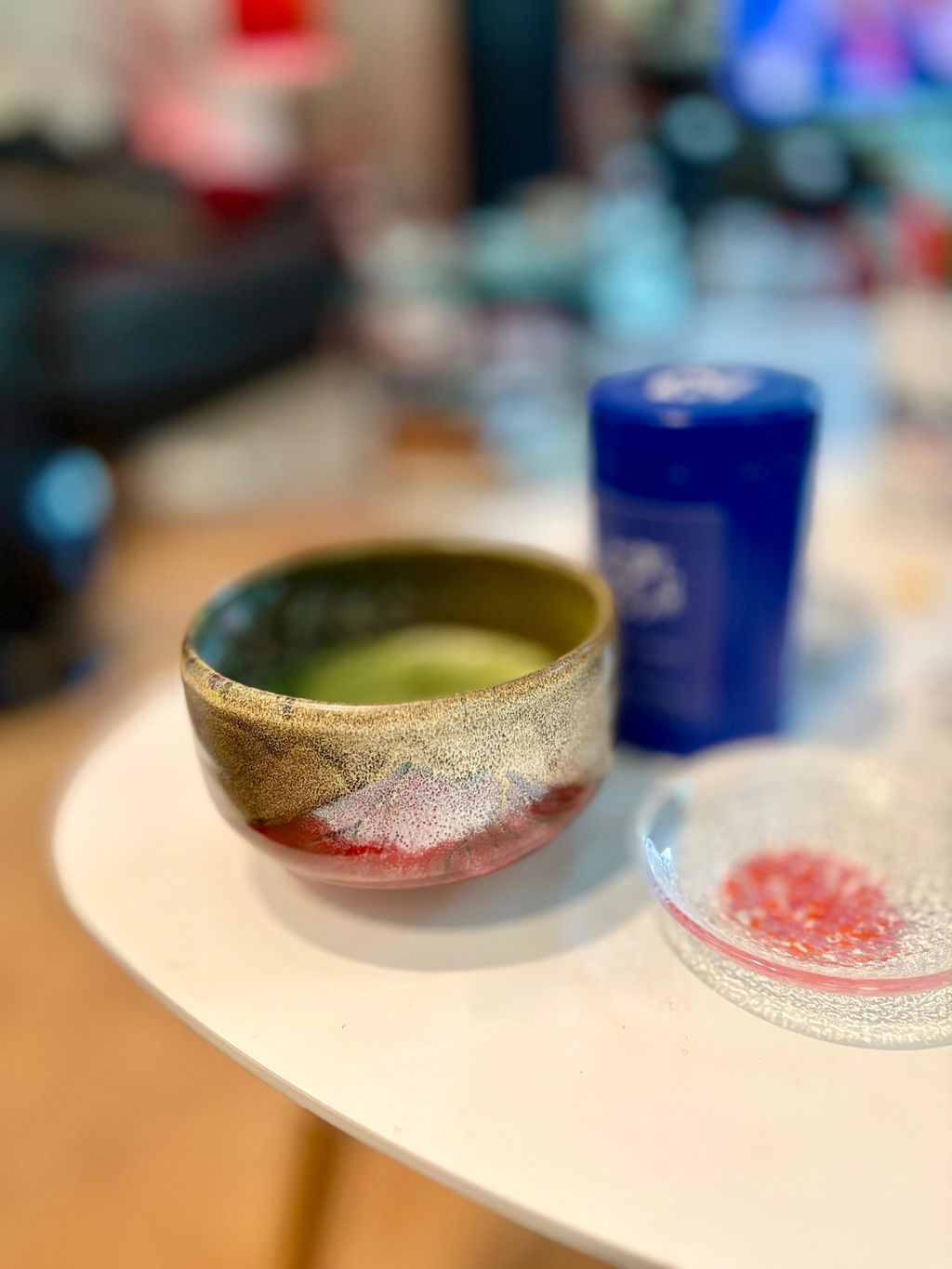
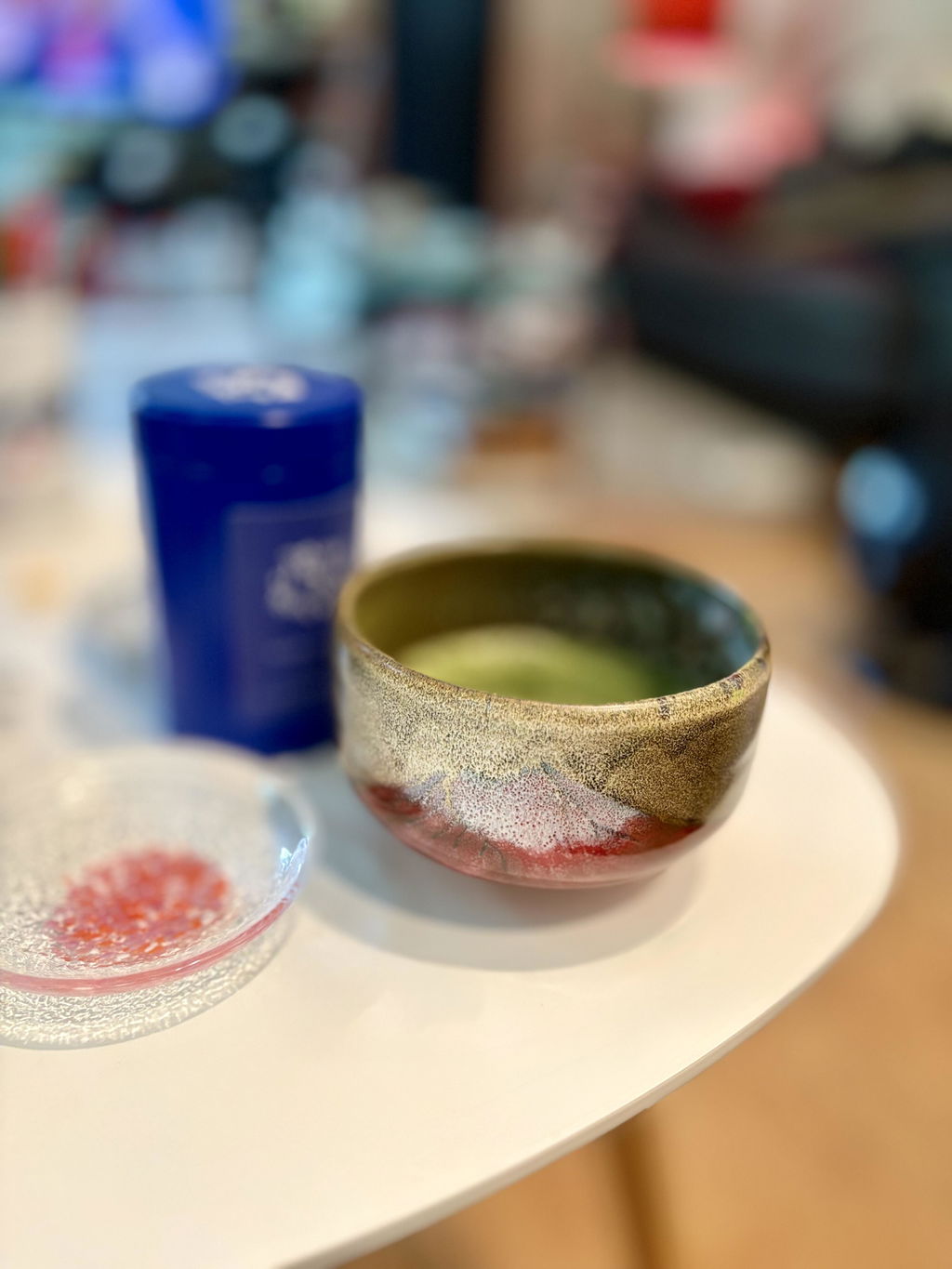
Just love the pattern, colour and shape. Very well crafted!
Dear Gabriele,
thank you so much for leaving your lovely review!
We're happy to hear that you love the pattern, color, and shape of our cups. We take great pride in selecting each and every one of our products with care.
Thanks again for your support!
The Tsukushi team
Consiglio
Dear Ms. Blanchaert,
Thank you for taking the time to leave a review for our store. We are glad to read that you had a smooth experience with us. Thank you for the recommendation.
We wish you a great day, the Tsukushi team.
Customer service was on another level and exemplary! Great company to support as they are thorough and friendly.
Dear Nadia!
Thank you for your kind words! We strive to provide exemplary customer service and we are glad to hear that it was on another level for you. Your support means a lot to us. Have a great day!
the Tsukushi team
Respons time is fast just like the shipping to Europe and the service is also great 😃
Thank you for your kind words Don!
We're glad to hear that you had a great experience with our service and shipping to Europe.
We strive to provide fast response times and a premium service for all of our customers.
Best Regards
Tsukushi
A great online shop to purchase interesting and thoughtful Japanese inspired gifts.
I will purchase from them again
Dear Luke,
Thank you so much for your kind words!
We are delighted to hear that you enjoyed shopping at our online store for unique Japanese-inspired gifts.
We can't wait to have you as our valued customer again.
Have a lovely day!
Best regards
Tsukushi
Great experience, easy to use and quick acknowledgement and delivery.
Dear Narelle
Thank you! We’re happy to see your review.
Being a small family company, this kind of feedback means a lot to us!
I loved every single piece, and especially my hunt was super excited with the collection. Know what to buy for next Christmas, and the packaging is super too.
Thanks Alessio, we hope your aunt will find something she likes.
Don't hesitate to contact us if any support is needed!
My experience with Tsukushi is very positive with quality over quantity service!
They also have fair prices prices imo so it's a good choice choosing them as a Shigaraki ware dealer.
Really listening to and thinking with you in wishes and solutions and keep their word so you as a customer can count on them.

Dear D.,
Thank you for your kind review. We are very happy to read your words of appreciation. Being able to go beyond the standard online catalog offer and help you find the product you were searching for by sourcing it locally was a true pleasure. It is always wonderful to meet people like you, passionate and willing to explore new cultures and crafts.
Prodotti artigianali di ottima fattura. Una particolare cura all'estetica oltre che alla funzionalità, che non guasta. Il prodotto è giunto in Italia senza problemi e in tempi ragionevoli considerata la distanza. Consigliato a chi ama investire in prodotti di buona qualità.
Dear Matteo
Thank you for taking the time to leave such a positive review for our website and product!
We are thrilled to hear that you appreciate the quality and attention to detail in our artisanal products. We take great pride in ensuring both aesthetics and functionality in our products.
We are also glad to know that your order was delivered to Italy without any issues and in a reasonable amount of time. Your recommendation to invest in quality products means a lot to us.
Thank you again for your support and for choosing our product. We hope to continue exceeding your expectations in the future.
Best regards,
The TSUKUSHI team.
Love their japanese tableware, refined and authentic. Impeccable customer service.
Thank you so much for your kind words and for taking the time to leave a review!
We are very happy to hear that you are enjoying our selection of Japanese tableware. Our team works hard to provide authentic and refined products, and we are glad to know that you appreciate it.
We are also happy to hear that our customer service was able to meet your expectations. We truly value your support and look forward to serving you again in the future.