
Building a Home Sanctuary: How to Create a Zen Space with Japanese Craftsmanship
If you want to create a sanctuary at home, you are probably not looking for "decor" in the usual sense.
You are looking for a shift in how your home feels when you walk in, how your body relaxes when you sit down, and how your mind stops running in the background.
A Japanese home sanctuary is built on a simple idea: your environment shapes your nervous system. When a space is quiet, tactile, and intentional, your pace changes. Your attention returns. Even a small corner can become the place where stress ends and you begin again.
This guide is practical, sensory, and rooted in Japanese craftsmanship. It will show you how to create a sanctuary at home with fewer objects, better materials, and calmer decisions, using ceramics and wood as daily anchors for mindful living.
- What a “Home Sanctuary” Really Means in Japanese Culture
- Zen Interior Design Principles That Actually Work in Real Homes
- Calming Home Decor Ideas That Feel Like a Transformation, Not a Makeover
- Mindful Living Aesthetic: The Daily Ritual That Makes Calm Sustainable
- Biophilic Design Living Room: Bringing Nature in Without Turning It into a Trend
- Quiet Luxury Home Accessories: Why Fewer, Better Objects Feel More Expensive and More Peaceful
- How to Create a Sanctuary at Home: A Simple, Repeatable Setup
- FAQs about Creating a Home Sanctuary

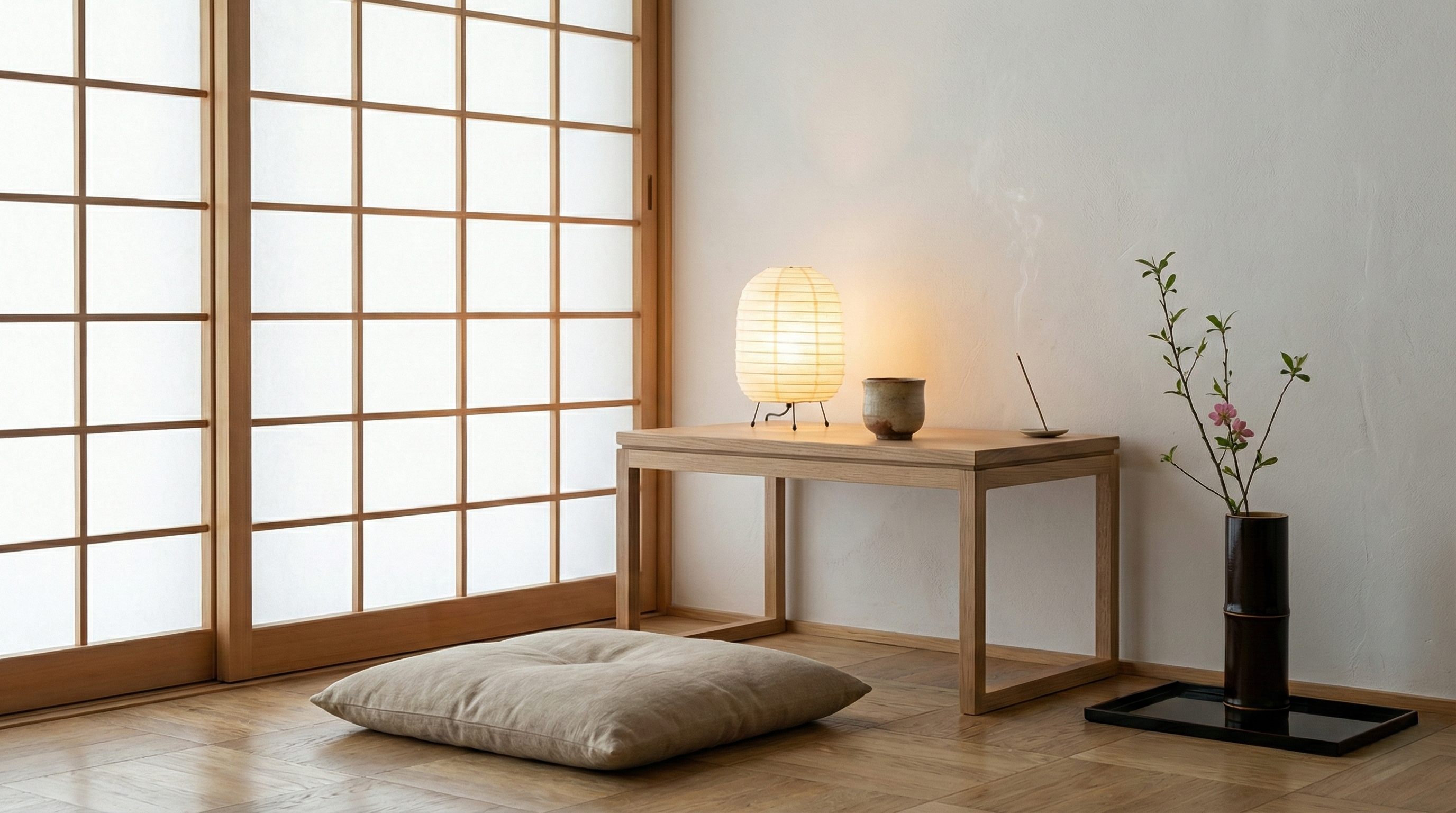
Wooden creations can bring a calm, Zen-like atmosphere to modern homes.
What a “Home Sanctuary” Really Means in Japanese Culture
A sanctuary is not a trend or an aesthetic label. It is a practical space that helps you slow down.
In Japanese aesthetics, calm is often created through:
- Restraint, not abundance
- Natural materials that age well, not surfaces that stay “perfect”
-
Empty space that lets the eye breathe, not constant visual stimulation
The concept of "Ma" (間, negative space) is central.
Ma is the pause between objects, the silence between sounds, the room around what matters. When you reduce clutter, you are not making your home empty. You are giving your mind fewer things to manage.
More on Ma and other Japanese Aesthetic concepts in this article: Japanese Design for a Relaxing Home | Tsukushi
A Japanese home sanctuary also honors the idea that the everyday can be ceremonial. Not performative, not complicated, simply intentional.
The cup you reach for, the bowl that holds your meal or the vase that carries a single seasonal branch.
These objects become small signals to slow down.
Zen Interior Design Principles That Actually Work in Real Homes
You do not need to live in a minimalist magazine spread. You need a space that supports your real life.
Here are Zen interior design principles you can apply without forcing a Zen look:
1) Choose a single purpose for the space
Decide what this sanctuary is for:
- A morning tea ritual
- A decompression corner after work
- A calmer dining experience
- A bedroom reset that supports sleep
- One purpose makes decisions easier, and the result feels coherent.
2) Edit for calm, then add for meaning
Remove first. Add second.
If you begin by shopping, you often create a prettier version of clutter. If you begin by editing, you create room for what matters.
A simple rule: if an object does not support the mood you want, store it somewhere else. Sanctuary items should feel quiet even when they are visually bold.
3) Use tactile materials to ground the senses
Zen is sensory. Texture matters.
- Ceramics that feel slightly gritty or satin smooth
- Wood that holds warmth
- Stone or linen that feels honest in the hand
The goal is not luxury as shine. It is luxury as presence. Quiet Luxury.

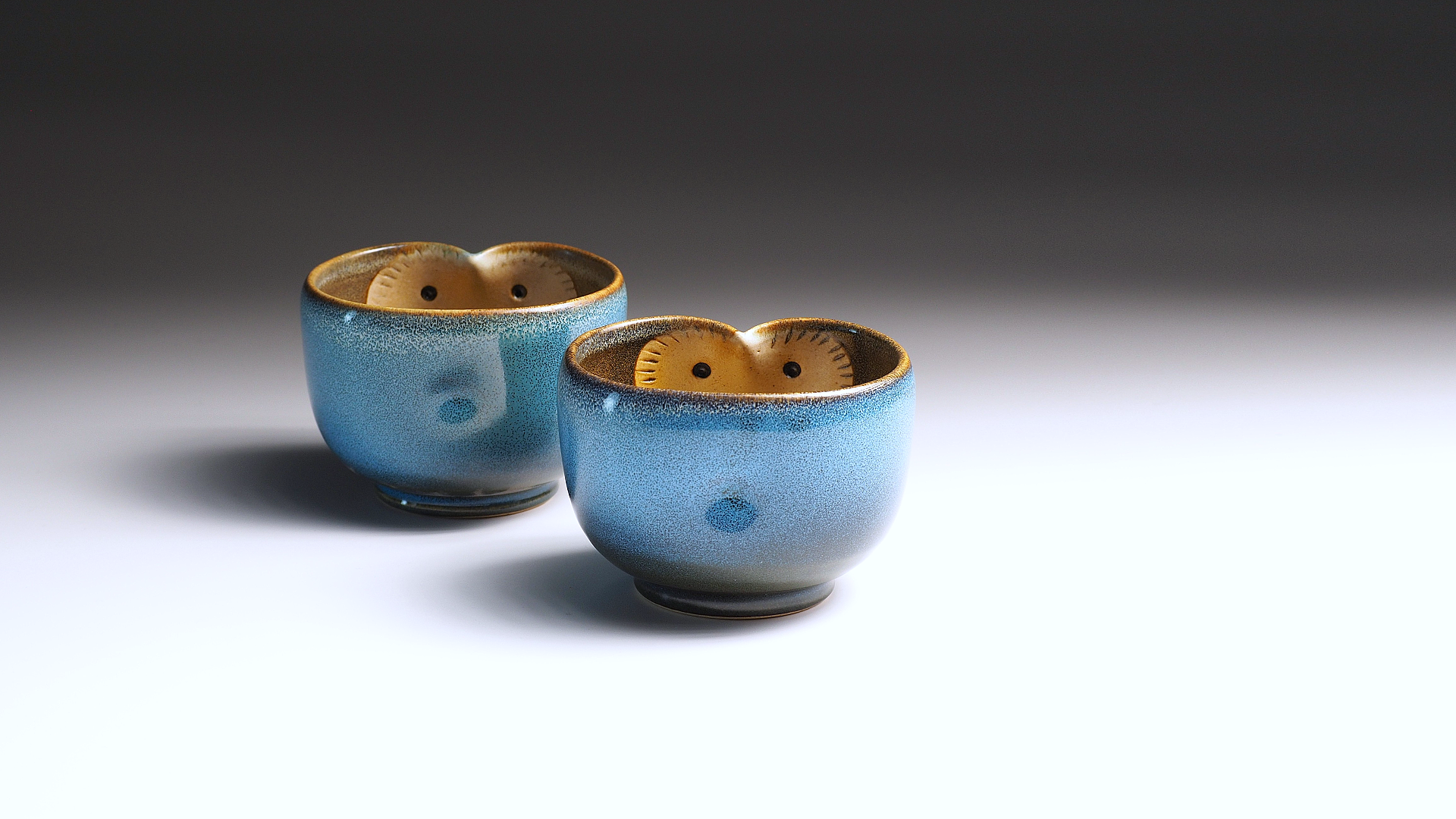
Ceramic pieces like Kazuhiro Kojima’s Koo matcha bowl bring a sense of quiet luxury.
4) Respect “Ma” as a design decision
Leave breathing space on shelves and surfaces. Let one object stand alone. Let shadows exist. If everything is displayed, nothing is special.
5) Create soft boundaries from digital life
A sanctuary loses power when it becomes another charging station.
Hide cables.
Remove screens. Keep a tray or small surface that holds only analog objects: cup, bowl, incense, book, flower.
Cultural Note: What “Zen” Means Here
Zen (禅) is a Buddhist school or current centered on practice and direct experience, not a decor style. In this article, “Zen” is used in the modern design sense: calm, intentional spaces shaped by simplicity, “Ma” (negative space), natural materials, and quiet ritual.
Calming Home Decor Ideas That Feel Like a Transformation, Not a Makeover
Most people look for calming home decor ideas because they want their home to help them feel calmer. That is a natural and practical goal.
Try these changes first. They cost little, but they move the feeling of a room quickly:
Shift the lighting, not the furniture
Warm, low light signals safety. Avoid harsh overhead light in your sanctuary zone.
Use a paper lamp, a shaded table lamp, or a single directional light that creates gentle shadows.
Add one “sound of calm”
Pay attention to small sounds. They influence mood more than you think.
The soft clink of a ceramic cup settling onto a saucer.
The faint scrape of wood as a tray slides into place. The quiet weight of a handmade bowl on a table.
Choose objects that make gentle sounds, not sharp ones.
Curate one seasonal moment
A sanctuary that changes with the season feels alive.
A single branch, one flower, a small vase, and a clear surface around it can be enough.
If you want a deeper cultural lens on imperfection and impermanent beauty read out article on Wabi-sabi (詫び寂び) and the art of imperfection here: Wabi-Sabi and Slow Living: Calm Beyond Perfection | Tsukushi
Mindful Living Aesthetic: The Daily Ritual That Makes Calm Sustainable
A mindful living aesthetic is not a style. It is a repeated behavior made easier by your environment.
The fastest way to make calm real is to build one daily ritual that fits your life:
- Morning tea in silence for five minutes
- A slower breakfast in one bowl, eaten without screens
- An evening pour of warm water, herbal tea, or sake, served the same way each time
Japanese craft supports ritual because it adds friction in the best way. Handmade objects are not optimized for speed. They invite attention.
Picture a dark cup with a quiet, textured surface, shaped from clay and finished without glaze.
The surface catches light unevenly. Your fingers notice the grain. You pause.
That pause is the point.

Black pottery finished without glaze offers a quiet pause in a busy day. Handcrafted by Ohmi Ceramics.
Biophilic Design Living Room: Bringing Nature in Without Turning It into a Trend
Search interest for biophilic design living rooms is climbing as more people look to bring nature indoors in a calm, mature, and grounded way.
You can apply biophilic design without filling the room with plants:
- Use wood with visible grain and natural warmth
- Choose ceramics with earthy depth rather than glossy perfection
- Bring in one living element: a branch, moss, or a single stem
A calm sanctuary often works best with warmer, darker tones right now.
This is the “Dark Zen” shift seen across social platforms: raw wood, dark ceramics, stone, and shadow.
For a better understanding of the biophilic design read our dedicated article here: Biophilic Design: Calm Living Inspired by Nature | Tsukushi
Quiet Luxury Home Accessories: Why Fewer, Better Objects Feel More Expensive and More Peaceful
Quiet luxury home accessories are not about logos. They are about materials, craftsmanship, and the confidence to own less.
Japanese artisanship fits this perfectly because:
- Small-batch production keeps each piece slightly different
-
Natural variation makes objects feel alive
The “value” is felt daily, not displayed loudly
In a sanctuary, you want objects that age with dignity. A wooden tray that deepens in color. A cup whose rim becomes smoother with use. A vase that looks even better with one imperfect stem than with a bouquet.
That is why artisanal, handcrafted pieces offer something mass production cannot: presence, character, and quiet depth. A low-grade object disappears into the background. A meaningful object changes the mood of the room.
How to Create a Sanctuary at Home: A Simple, Repeatable Setup
Here is a practical setup you can follow in one afternoon.
Step 1: Choose a location that already feels slightly quieter
Pick a corner near a window, a bedside table, a small shelf in the dining area, or a spot in the living room that is not part of a main walkway.
The best place is the one that already feels a little slower.
Step 2: Clear the surface completely
Remove everything first.
Wipe the surface. Hide cables and chargers. A sanctuary starts when the visual noise disappears.
Step 3: Add a base layer that defines the boundary
Use a simple wooden tray, a natural cloth, or a low platform to frame the space.
This creates a clear border that tells your mind, “this corner is different.”
Step 4: Choose one ceramic anchor object
Pick a single piece with quiet presence. For a “dark Zen” mood, a matte, unglazed pottery mug or a deep-toned, textured cup works beautifully.
The subtle irregularities in the surface catch light softly and make the space feel grounded, not styled.
Step 5: Add one natural element
Keep it minimal. One seasonal stem, a branch, or a single flower is enough.
A small ikebana-style vase, especially one with a calm silhouette and natural texture, brings nature in without turning it into decoration.
Step 6: Add one sensory support, then stop
Choose one:
- A small incense holder
- A linen cloth
- A candle with a soft scent
- A smooth stone
Then stop. Sanctuary is not built by adding endlessly. It is built by protecting emptiness.
After you set up even a small sanctuary corner, the next step is to make it easy to return to it.
Calm is not created by a perfect setup; it is created by repetition.
A simple cup, a quiet surface, and a few minutes of space can become a daily reset, especially when you keep the area uncluttered and intentional.
FAQs about Creating a Home Sanctuary
This is a simple Q&A on how to create a sanctuary at home, using Zen interior design principles, calming home decor ideas, and a mindful living aesthetic without needing a full room redesign.
What defines a home sanctuary?
A home sanctuary is not only about style. It is about how a space changes your state of mind. It is a designated area designed to reduce stress by engaging the senses through natural materials like wood and ceramic, softer lighting, and an intentional absence of digital clutter. The best sanctuaries feel simple, quiet, and easy to maintain.
How can I make my house feel like a Japanese sanctuary?
Start with “Ma,” the power of negative space. Reduce clutter and leave breathing room on surfaces. Then choose fewer, higher-quality handcrafted objects, such as a handmade ikebana vase or a textured tea bowl, pieces that invite touch and contemplation. Keep tones natural, lighting warm, and every object placed with intention.
Do I need a dedicated room for a sanctuary?
No. A sanctuary can be small. A micro-sanctuary can live on a desk, a bedside table, or one shelf. A wooden tray with a ceramic cup and a seasonal flower is enough to create a mental boundary from stress, and that boundary is often what people are truly seeking.
What colors work best for a calming sanctuary space?
Warm, natural tones tend to feel most grounding. Soft browns, charcoal, deep clay, and muted greens create a calm atmosphere, especially when paired with wood, ceramics, and gentle lighting.
How do I avoid making my sanctuary feel cluttered over time?
Use the “one in, one out” rule. Keep only a few meaningful pieces visible and store the rest. Revisit the surface weekly and return it to a simple baseline so the space stays quiet.
What is the easiest first step if I feel overwhelmed?
Start with light and one clear surface. Turn off harsh overhead lighting, set a warm lamp, and clear a small area completely. Then add just one calming object and stop there.